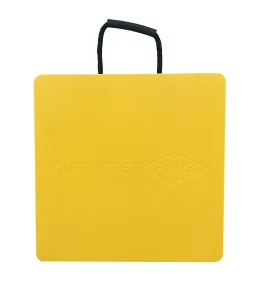
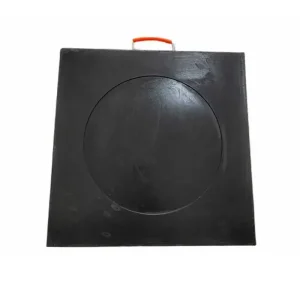
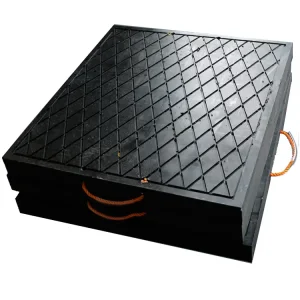
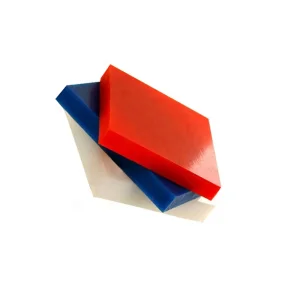
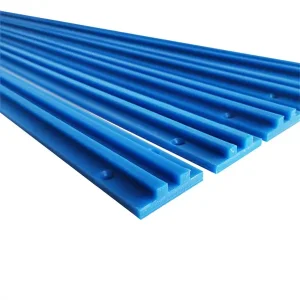
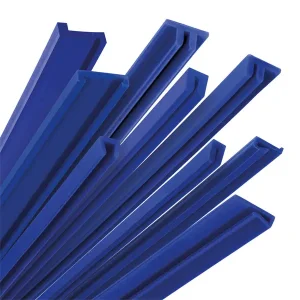
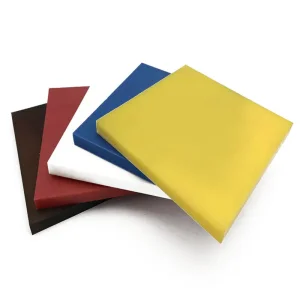
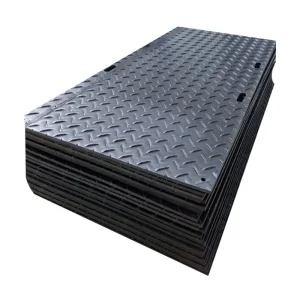
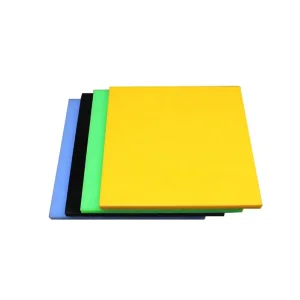
Heavy-duty engineered outrigger pads designed for high-tonnage mobile cranes and concrete pumps operating across Doha.
Doha's construction and heavy industrial sectors are expanding rapidly under the guidance of the Qatar National Vision 2030. From the massive expansions at Hamad Port and the commercial centers in Lusail City to the sprawling gas and petrochemical hubs in Ras Laffan and Mesaieed, crane operations are central to this evolution. Operating heavy machinery in Doha, however, poses dual challenges: extreme desert ambient temperatures reaching up to 50°C and highly complex ground dynamics ranging from loose, unconsolidated coastal sand to soft saline marshes (sabkha). Under these severe conditions, structural safety during lifting operations is critical.
Traditional wood dunnage and structural timber pads fail under Doha’s extreme UV radiation and intense dry heat. They split, rot, warp, and crack, resulting in unpredictable load distributions. Heavy steel pads, on the other hand, are heavy, expensive to transport, prone to corrosion in salty marine atmospheres, and lack flexibility. This has driven Doha's engineering procurement departments to demand premium polymer outrigger pads—engineered from Ultra-High-Molecular-Weight Polyethylene (UHMWPE) and High-Density Polyethylene (HDPE)—to deliver reliable load distribution, physical safety, and long service life.
Delivers outstanding load distribution properties, drastically reducing ground pressure and preventing crane tip-overs on unstable terrain.
Capable of supporting up to 120 tons of vertical load per pad without structural collapse, cracking, or permanent deformation.
Specially engineered with carbon black and UV stabilizers to resist polymer degradation in Doha's extreme summer climate.
When operating mobile hydraulic cranes or concrete pumps in the Gulf region, engineers calculate the exact Ground Bearing Capacity (GBC) before placing the outriggers. If the crane's outrigger feet rest directly on asphalt, sand, or gravel, the concentrated load can exceed the soil's yield strength, resulting in a sudden, catastrophic shift. Engineered polymer outrigger pads expand the contact area, reducing the actual Ground Bearing Pressure (GBP) to a value below the soil’s capacity. Tianjin Beyond Technology Development Co., Ltd. develops engineered PE and UHMWPE outrigger pads that provide predictable flexural recovery and structural integrity, satisfying the demanding requirements of global safety standards.
| Material Type | Compressive Yield Strength | Water Absorption % | UV & Weather Resistance | Weight (Relative) | Expected Lifespan |
|---|---|---|---|---|---|
| UHMWPE (PE1000) | > 90 - 110 MPa | 0.00% (Hydrophobic) | Excellent (UV-Stabilized) | Lightweight (0.96 g/cm³) | 15+ Years |
| HDPE (PE500 / PE300) | > 60 - 80 MPa | < 0.01% | Very Good | Lightweight (0.95 g/cm³) | 8 - 12 Years |
| Hardwood (Oak) | 25 - 45 MPa (Unpredictable) | Up to 25% (Swells) | Poor (Splits under intense heat) | Medium / High (Varies with moisture) | 1 - 2 Years |
| Mild Steel (Structural) | 250 MPa | 0.00% | Subject to Saline Corrosion | Extremely Heavy (7.8 g/cm³) | 5 - 8 Years (If protected) |
The technical data highlights that UHMWPE (PE1000) provides the ultimate combination of high compressive strength, zero moisture absorption, and low weight, making it the premier choice for Doha’s extreme conditions.
In modern industrial procurement, especially across Qatar’s oil, gas, and infrastructure sectors, buying decisions are driven by rigorous risk mitigation and Total Cost of Ownership (TCO) assessments. Project safety inspectors from the Qatar Ministry of Municipality, alongside engineering consultants, mandate that crane operators present certified equipment lists, including outrigger pad calculations. The global industry is shifting away from low-cost, uncertified wooden boards toward custom-engineered, serial-numbered, polymer crane pads that guarantee specific mechanical behaviors.
Doha's leading EPC (Engineering, Procurement, and Construction) companies frequently source engineered industrial plastics directly from specialized manufacturing facilities rather than local distributors. Sourcing directly from verified Chinese industrial manufacturers like Tianjin Beyond Technology Development Co., Ltd. offers significant advantages: consistent raw material quality, customizable design profiles (including exact dimensions, handle designs, anti-slip surface texturing, and laser-engraved corporate branding), and lower overall production costs. This approach ensures supply chain security and compliance with rigorous international safety and environmental regulations.
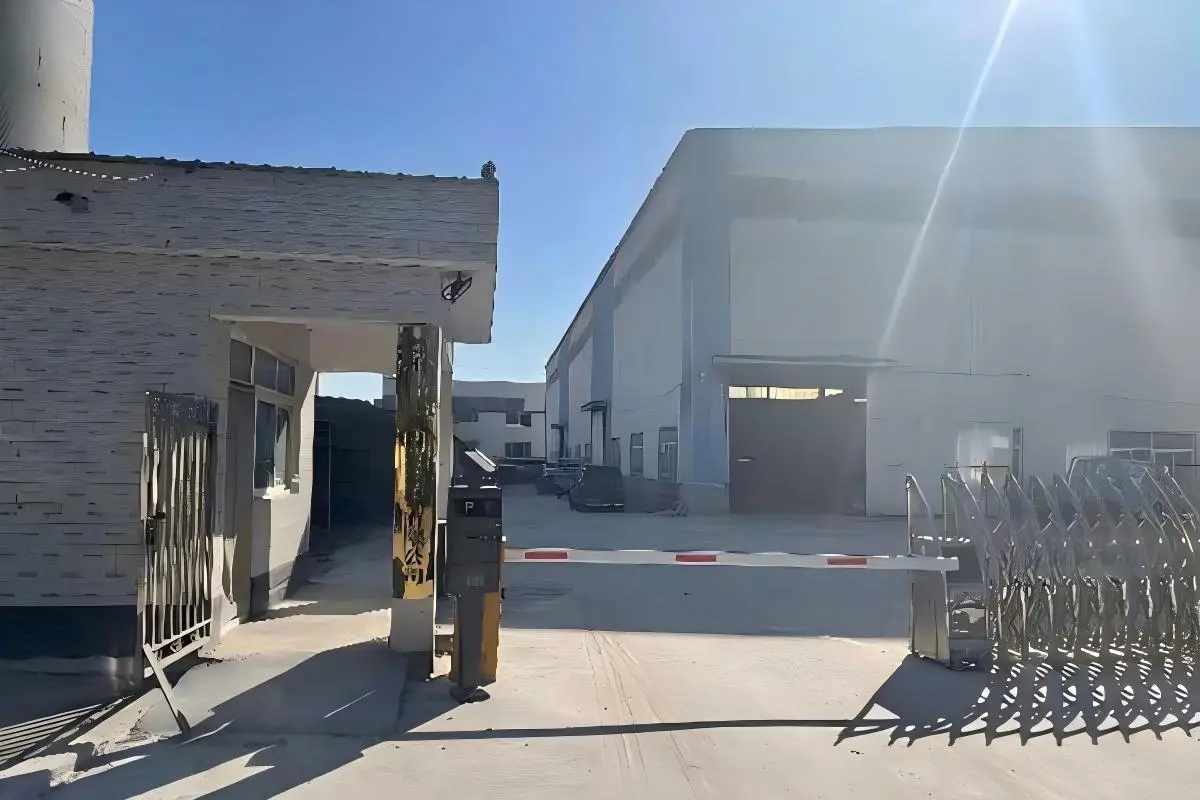
Tianjin Beyond Technology Development Co., Ltd. is a leading manufacturer specializing in industrial engineering plastics and precision CNC machining. Established in 2015, we operate a 50,000-square-meter modern factory designed to meet high-volume, high-precision global demands.
Equipped with state-of-the-art compression molding systems, heavy extrusion lines, large-scale CNC milling machines, and high-speed CNC engraving routers, we ensure every outrigger pad meets strict industrial tolerances. Through deep material partnerships with chemical leaders like TICONA, LG, and Sinopec, we maintain strict quality control from raw materials to finished products.
Our Quality Assurance laboratory validates every batch for tensile strength, density, compression deflection limits, and shore hardness. This ensures our clients in Doha and globally receive reliable, high-performance outrigger pads for their critical operations.
Partner With Our FactoryEngineering materials destined for use in Qatar must be configured to withstand its specific desert climate. Key factors include:
Polymers naturally expand and contract as temperatures fluctuate. In Doha, overnight temperatures in winter can drop to 15°C, while summer day temperatures can exceed 50°C. This temperature differential leads to dimensional changes. At Tianjin Beyond, we machine outrigger pads with generous clearances and flexible, heavy-duty wire-rope handles, allowing the polymer to expand and contract without compromising its structural integrity.
Doha's coastal soils have high salt concentrations (saline sabkha flats) and shallow water tables. Traditional wooden pads absorb saline water, accelerating rotting and decay. Steel pads oxidize rapidly in these humid, high-salinity conditions. Our UHMWPE and HDPE outrigger pads are completely hydrophobic (0.00% water absorption), offering total resistance to chemical and salt degradation.
Windblown desert sand and dust are common at construction sites across Qatar. Fine sand acting as a dry lubricant can cause crane feet to slip. To address this, our outrigger pads are available with custom-machined chevron or non-slip cross-hatch textures. This maximizes grip between the outrigger shoe, the pad, and the ground, maintaining stability even in sandy or dusty conditions.
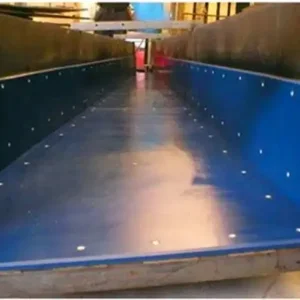
For marine applications at Hamad Port, Ras Laffan Port, and offshore platforms in the North Field, outrigger pads must operate on dynamic steel decks. For these environments, we supply specialized UHMWPE marine pads that resist salt spray, diesel oil, hydraulic fluids, and severe wave-induced impacts.
Our complete line of high-performance polymer products, custom machined for Doha's industrial and construction sectors.
Detailed answers to technical questions raised by structural engineers, crane operators, and procurement specialists in Qatar.
The required area of the outrigger pad is calculated using the formula: Pad Area = Maximum Outrigger Load / Ground Bearing Capacity (GBC). In Doha’s dry sandy terrains, typical ground bearing capacity is low, often ranging from 100 to 150 kPa (approx. 1 to 1.5 kg/cm²). In coastal saline flats (sabkha), it can drop below 50 kPa. Calculating your GBC ensures the pad area distributes the load safely to prevent sinking or instability.
UHMWPE (Polyethylene PE1000) has a molecular weight of 5 to 9 million g/mol, compared to less than 1 million g/mol for standard HDPE. This high molecular density provides superior impact resistance, flexural recovery, and tensile strength. While HDPE works well for light-to-medium equipment like concrete pump trucks, UHMWPE is recommended for heavy cranes (50-ton to 500-ton and above) because it resists deformation under extreme point loading.
Unstabilized plastics can degrade when exposed to intense UV rays, causing cross-linking failures and brittleness. To address this, Tianjin Beyond incorporates premium carbon black and specialized UV-stabilizer additives during extrusion and compression molding. This process enables our pads to withstand continuous exposure to intense desert sunlight without losing their mechanical properties or load-carrying capacity.
Yes. Our CNC facility can engrave company logos, serial numbers, load capacity ratings, and safety instructions directly into the pads. We also offer several handle configurations, including integrated machined handles, high-strength wire rope handles, and safety-grip nylon handles, ensuring safe and efficient handling on site.
Standard custom orders are processed and machined within 10 to 15 days at our factory. Shipping from our Tianjin port facilities to Hamad Port in Doha takes approximately 20 to 28 days, depending on shipping schedules. We maintain raw material stock to expedite production and meet urgent project timelines.
 Beyond