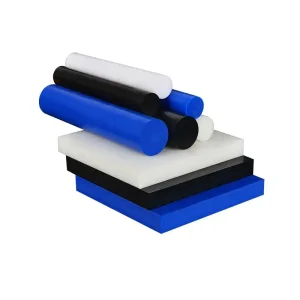
High-mechanical strength, outstanding wear resistance, and premium load-bearing capabilities. Engineered for heavy industrial components.
View Details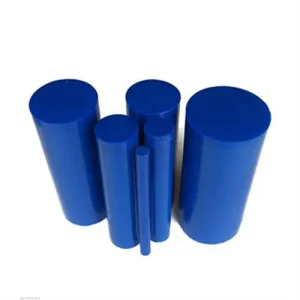
Premium grade PE-UHMW with embedded dry lubricants for extreme wear environments and lowest friction coefficients.
View Details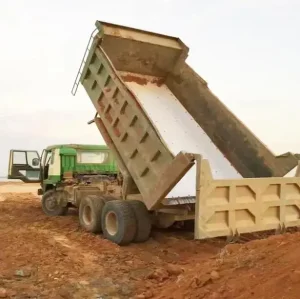
High impact resistance and zero sticking for bulk material handling. Protects dump trucks and trailers under harsh conditions.
View Details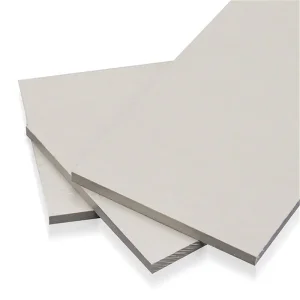
Excellent chemical resistance, low moisture absorption, and outstanding welding performance for industrial chemical tanks.
View Details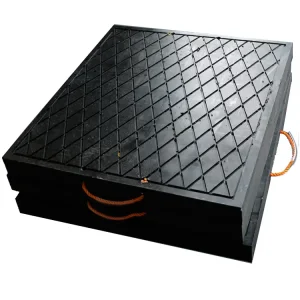
Distribute load pressure safely. Unbreakable engineering plastic pads designed to support cranes and heavy machinery on soft ground.
View Details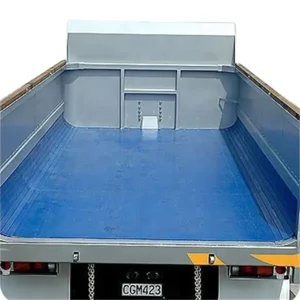
Superb release properties and wear resistance, preventing clogging and material accumulation in bulk handling systems.
View Details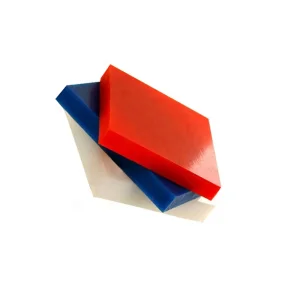
Custom machined components, guides, gears, and structural profiles manufactured to strict client blueprints and tolerances.
View Details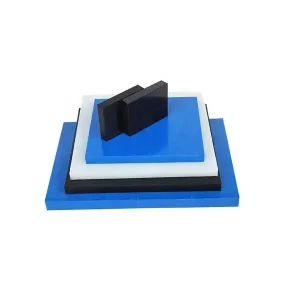
Advanced cast polyamides providing high fatigue resistance, vibration damping, and excellent machinability for heavy gears.
View DetailsA synthetic ice rink is a highly engineered, solid polymer surface designed to replicate the friction and glide properties of natural ice. Unlike conventional rinks that require complex refrigeration, massive water usage, and continuous electricity, synthetic ice panels utilize state-of-the-art polymer chemistry to provide a year-round, low-maintenance skating environment. This surface is typically constructed from high-performance polymers, primarily Ultra-High-Molecular-Weight Polyethylene (UHMW-PE) or premium grades of High-Density Polyethylene (HDPE).
The operational mechanics of synthetic ice rely on self-lubricating additives integrated directly into the polymer matrix during the compression molding process. When steel skate blades pass over the polymer surface, the combination of pressure and friction activates these built-in lubricants, minimizing resistance. This simulates the thin layer of water created by pressure-induced melting on natural ice. The quality of a synthetic rink is heavily dependent on the molecular weight of the polymer, the uniformity of the lubrication distribution, and the precision of the panel interlocking systems.
"The transition from traditional ice to synthetic alternatives represents a massive shift in green-building and recreation economics. By leveraging advanced material chemistry, facilities can operate with zero energy overhead while maintaining 90-95% of the performance compared to real ice."
For professional applications, the molecular weight of UHMW-PE sheets must exceed 4 to 9 million g/mol. This ensures that the material has the tensile strength, impact absorption, and abrasion resistance required to withstand thousands of hours of intense skating without developing deep grooves or shedding excessive polymer shavings.
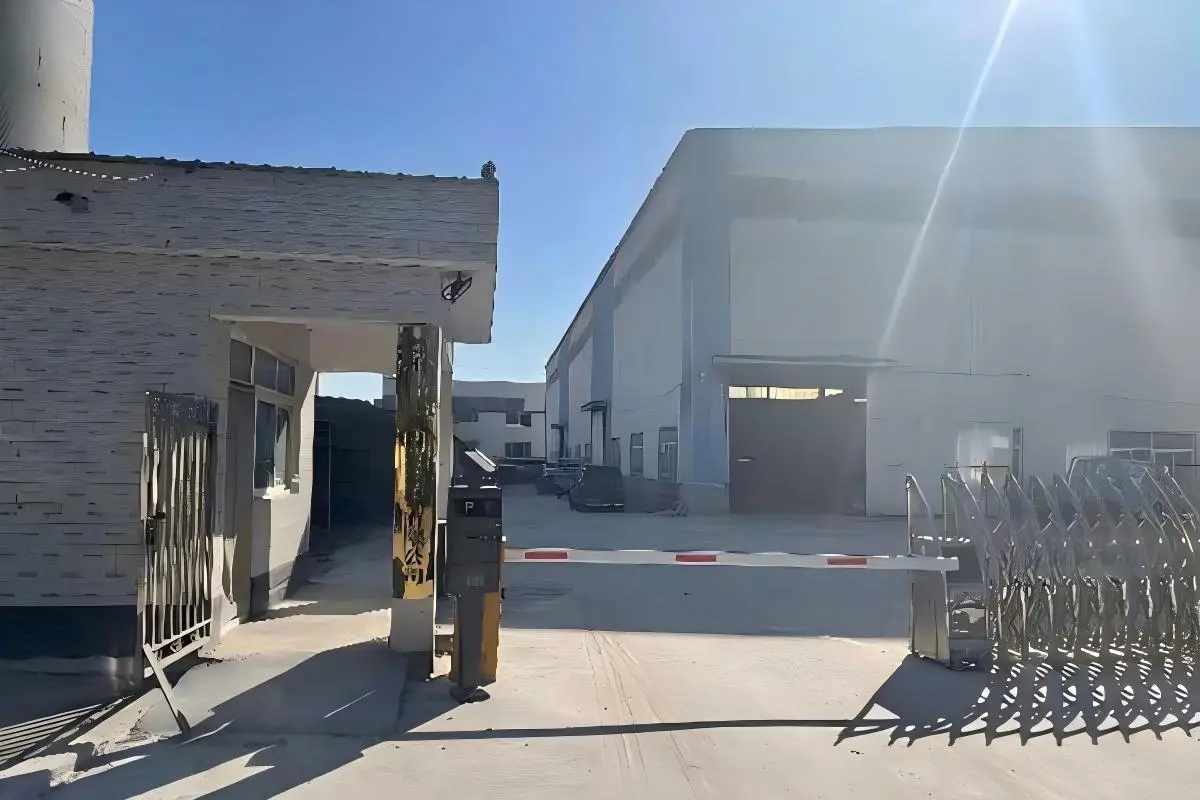
Founded with a focus on advanced polymer materials, Tianjin Beyond Technology Development Co., Ltd. has established itself as a premier global manufacturer of engineering plastics and precision-machined components. Since 2015, the company has accumulated over a decade of hands-on expertise in precision CNC machining, compression molding, and large-scale industrial plastic manufacturing.
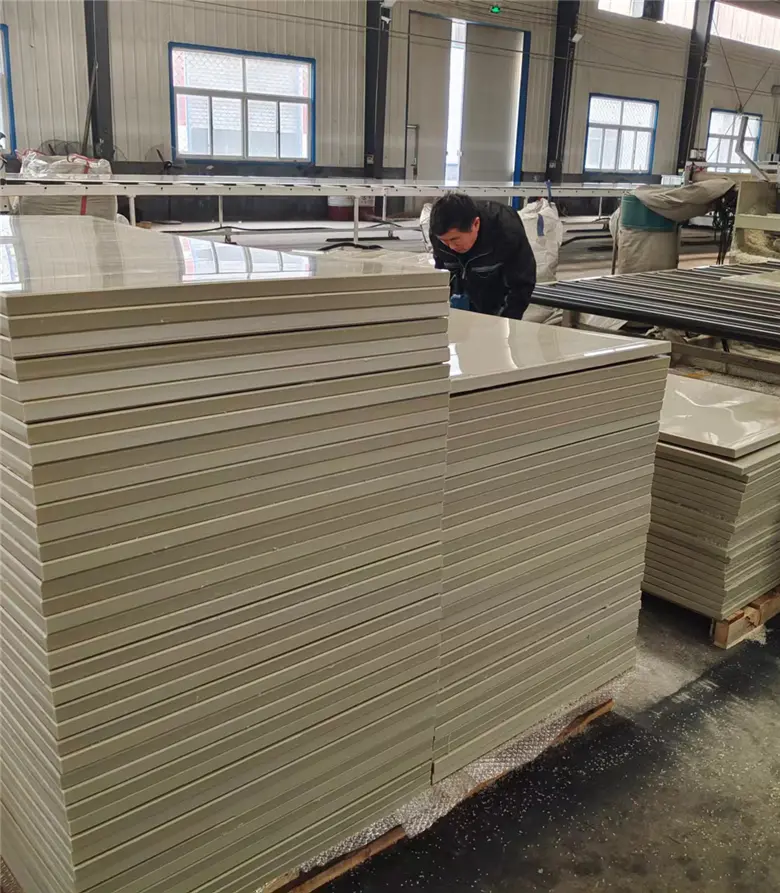
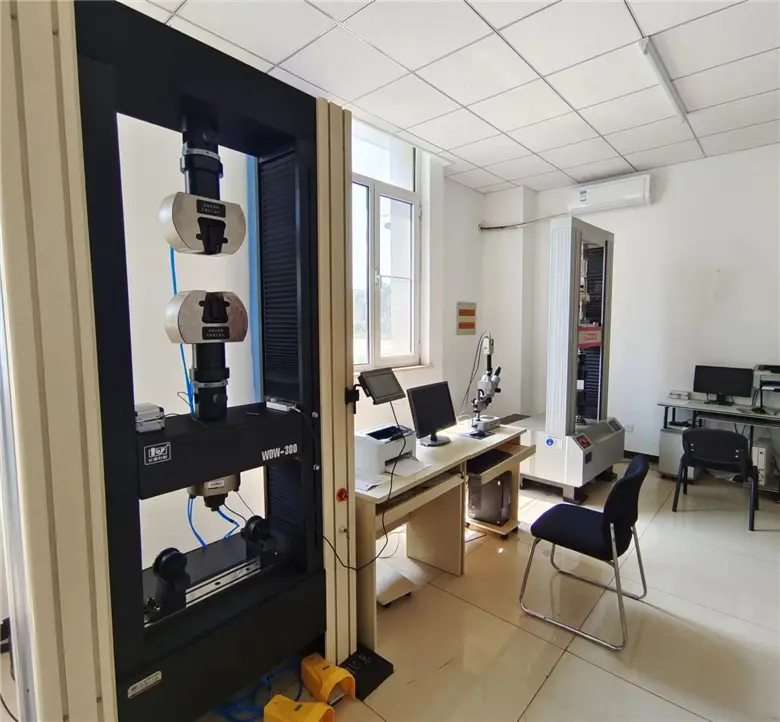
Our manufacturing complex spans over 50,000 square meters, integrating state-of-the-art compression molding workshops, extrusion lines, a dedicated high-precision CNC machining center, and a proprietary research and development laboratory. Equipped with high-capacity gantry CNC lathes, heavy-duty CNC milling systems, and large-format CNC engraving routers, we ensure micro-level precision and rapid delivery cycles for high-volume custom orders.
By sourcing raw materials directly from global chemical giants like TICONA, LG, and Sinopec, we ensure that every sheet, rod, and custom panel meets uncompromising international performance standards.
Understanding the molecular variance between UHMW-PE and HDPE is critical for procurement departments to match project lifetimes with budget constraints. Below is a comparative breakdown of these key polymers used in synthetic rink fabrication.
Tianjin Beyond specializes in custom formulations, offering UV-stabilized, fire-retardant, and colored composite panels tailored to various environment-specific stressors (such as direct outdoor sunlight or high-temperature indoor arenas).
Traditional refrigerated rinks consume millions of kilowatt-hours and thousands of gallons of water annually. Synthetic ice operates with zero electricity and zero water consumption, helping commercial properties reduce their carbon footprint and align with global ESG (Environmental, Social, and Governance) targets.
Every commercial space has a unique layout. Utilizing our advanced 5-axis CNC machining centers, we can manufacture dovetail and puzzle-connection interlocking systems with tolerances under 0.05 mm, ensuring seamless transitions between panels to prevent blade catches.
Our sheets are built with premium UV stabilizers. They can withstand temperatures ranging from -100°C up to +80°C without warping, cracking, or degrading, making them suitable for year-round outdoor installations in tropical or sub-zero climates.
At Tianjin Beyond Technology Development Co., Ltd., quality is not simply checked at the end of the line—it is integrated into every step of the process. We operate under a strict ISO 9001:2015 quality management system certified by global inspection authorities, including SGS and Bureau Veritas (BV).
Our raw material sourcing is highly selective. For premium synthetic ice surfaces, we import high-density polymer resins from global chemical leaders like TICONA and LG, ensuring absolute purity and zero recycled contaminants. This consistency is critical: minor variations in material density or molecular chain length can cause localized friction hot-spots, leading to uneven wear on skate blades and degradation of the rink surface.
In addition to industrial polymers, we recognize the importance of raw material diversity and ecological sustainability. Our collaborative research with academic institutions allows us to develop eco-friendly polymer blends that incorporate self-lubricating, bio-derived additives. These formulations deliver high performance without releasing volatile organic compounds (VOCs) or micro-plastics into the surrounding environment during high-intensity usage.
Synthetic ice rinks are highly versatile systems deployed across commercial, athletic, and private sectors. Key applications include:
High-quality UHMW-PE synthetic ice sheets from Tianjin Beyond achieve roughly 90% to 95% of the glide efficiency of natural ice. The slight increase in friction helps build leg strength and improves edge control, making it highly effective for training.
We recommend our custom CNC-machined dovetail or puzzle connection systems. They create secure joints that prevent panels from shifting or warping, maintaining a flat, level surface under heavy use.
No, it does not damage skate blades, but the friction does generate more heat than natural ice. As a result, blades may need to be sharpened slightly more often during periods of heavy use.
Maintenance is straightforward: keep the surface free of dirt, dust, and debris. We recommend regular vacuuming or sweeping, followed by damp mopping with mild soap and water. For non-self-lubricating styles, apply a thin coat of glide enhancer as needed.
Yes. Our synthetic ice panels are manufactured with UV stabilizers and thermal expansion joints. They are designed to withstand temperatures ranging from -100°C to +80°C without warping or degrading, making them suitable for indoor or outdoor use.
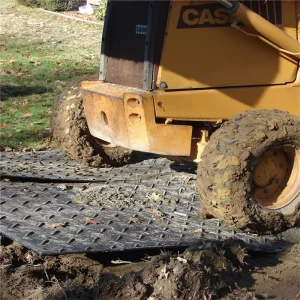
Temporary roads constructed from high-density polymers, designed to support heavy trucks and machinery over soft mud and sand.
View Details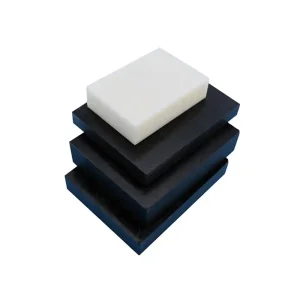
Engineered with high impact resistance and low moisture absorption. Excellent for wear strips, guides, and chute liners.
View Details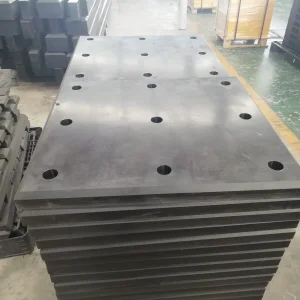
High-grade polymer sheets designed for chemical resistance, low friction, and exceptional durability in mining and conveyor applications.
View Details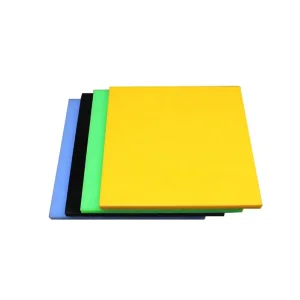
A cost-effective, versatile polymer sheet designed for secondary containment, tanks, and structural components.
View Details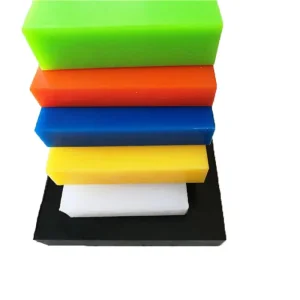
Custom-cut sheets optimized for extreme abrasive wear, sliding components, and heavy-duty conveyor systems.
View Details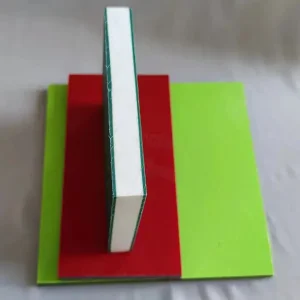
Co-extruded multi-layer sheets designed for playground equipment, signage, and high-traffic public installations.
View Details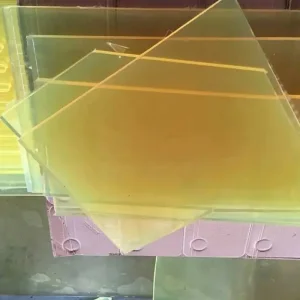
Provides high elasticity, vibration damping, and excellent resistance to tearing and abrasion under high mechanical loads.
View Details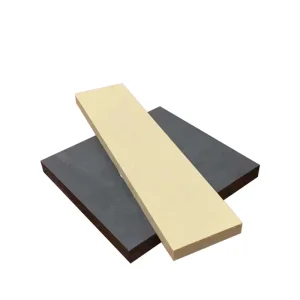
Engineered for high chemical and thermal resistance, making it suitable for acid tanks and wastewater treatment plants.
View Details Beyond