Discover our highly sought-after industrial raw materials and semi-finished stock shapes
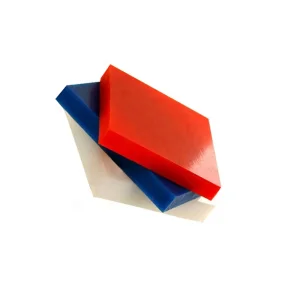
Advanced multi-layered unidirectional ballistic sheet designed for lightweight defense armoring and high-impact structural panels.
View Details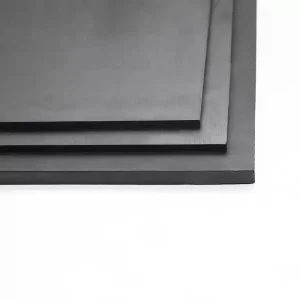
Premium polyetheretherketone sheets offering continuous working temperatures up to 260°C with exceptional chemical resistance.
View Details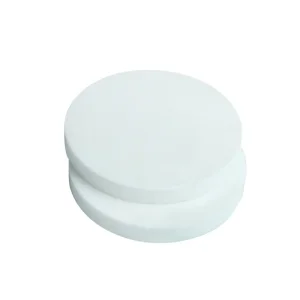
High-purity polytetrafluoroethylene sheet featuring near-zero friction coefficient and universal chemical inertness.
View Details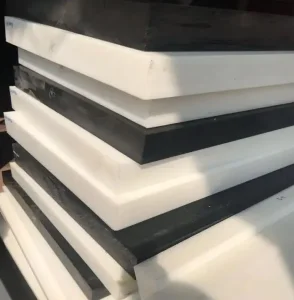
Premium-grade high-density polyethylene and polypropylene panels crafted for reliable fabrication and structural lining.
View Details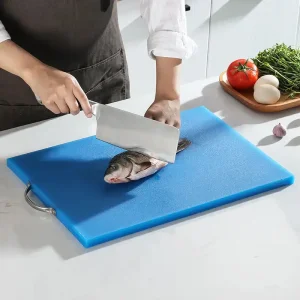
Sanitary, non-porous, and wear-resistant polyethylene boards engineered to withstand commercial food processing environments.
View Details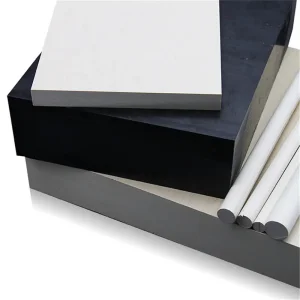
Extruded homopolymer and copolymer PP sheets optimized for high chemical corrosion defense and tank construction.
View Details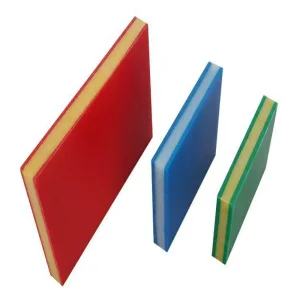
Co-extruded layered multi-color HDPE sheet engineered specifically for long-lasting playground and signage applications.
View Details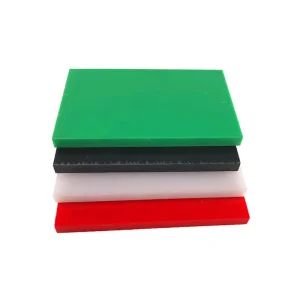
High-density compression-molded UHMWPE sheets with ultra-high wear and impact resistance for heavy industrial linings.
View DetailsRevisiting the material limits of modern mechanical design and assembly
In the modern manufacturing landscape, the strategic transition from heavy metals to high-performance polymers has emerged as a cornerstone of engineering innovation. OEMs and industrial system integrators worldwide are replacing traditional bronze, steel, and aluminum components with high-performance plastics. This shift is driven by the demand for lightweight structures, wear minimization, self-lubricating properties, and resistance to chemical environments. OEM Plastic Manufacturing is no longer just about replicating shapes in low-cost polymers; it is about custom material formulation, high-precision machining tolerances, and rigorous quality verification to perform under harsh conditions.
Tianjin Beyond Technology Development Co., Ltd. operates at the center of this technological paradigm. Founded with a vision to deliver premium component solutions, the company has integrated advanced material chemistry with state-of-the-art tooling. From base monomer selection to final CNC verification, our workflow is designed to prevent internal stress build-up, control thermal expansion, and ensure dimensional stability across varying operating temperatures. This guarantees that whether a component is used in deep-sea harbor fenders or aerospace assemblies, it performs exactly as intended.
Providing critical structural solutions for demanding engineering sectors
Marine structures face constant impact forces, salt-water corrosion, and UV degradation. Tianjin Beyond manufactures custom UHMWPE dock fender pads that absorb immense kinetic energy from heavy vessels. These pads feature low sliding friction, protecting both dock structures and ship hulls while minimizing maintenance cycles.
Bulk mineral storage and transport systems struggle with flow obstruction and abrasive wear. Our custom-molded coal bunker liner sheets and hopper linings feature an ultra-slick surface that prevents cohesive material sticking and sliding abrasion, ensuring continuous process flow.
Mobile cranes and drilling rigs require stable ground contact on unstable surfaces. We manufacture engineered crane outrigger pads and temporary road mats using high-molecular-weight polyethylene. These lightweight panels distribute heavy wheel and outrigger loads safely, protecting buried infrastructure and preventing vehicle entrapment.
Beyond these industries, our materials are widely used in chemical tank fabrication (PP and PVC sheet structures), electrical insulation, food preparation machinery (non-toxic PE cutting blocks), and cleanroom environments. Each application requires careful attention to the raw material's molecular weight, crystalline structure, and alignment during extrusion or compression molding to achieve optimal performance.
Critical engineering metrics for selecting industrial plastics over traditional metals
Selecting the correct material requires balancing working temperatures, environmental exposure, load vectors, and sliding speeds. For example, while UHMWPE provides excellent wear resistance and impact absorption, its lower melting point limits its use in temperatures above 85°C. For these high-temperature environments, we process materials like PEEK or specialized PTFE compounds. These thermoplastics maintain structural integrity at high temperatures, ensuring reliable performance in harsh conditions.
Showcasing our core manufacturing profiles and material stock types
Tianjin Beyond Technology Development Co., Ltd. features a modern manufacturing base spanning approximately 50,000 square meters. The plant integrates multi-station heavy compression molding presses, extrusion lines, gantry CNC routing systems, and specialized milling centers. By maintaining full control over the primary consolidation process—converting virgin resin powders into sheets and rods—we prevent the contamination, internal voids, and shear stresses that often occur in outsourced materials.
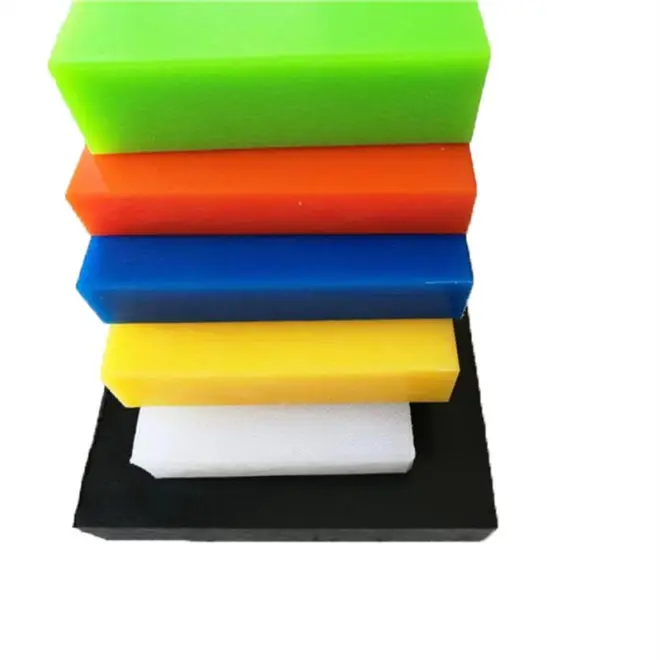
Our premium PE1000 grade black UHMWPE sheets offer superior sliding characteristics and wear resistance, making them ideal for heavy machinery guide rails and scraper blades.
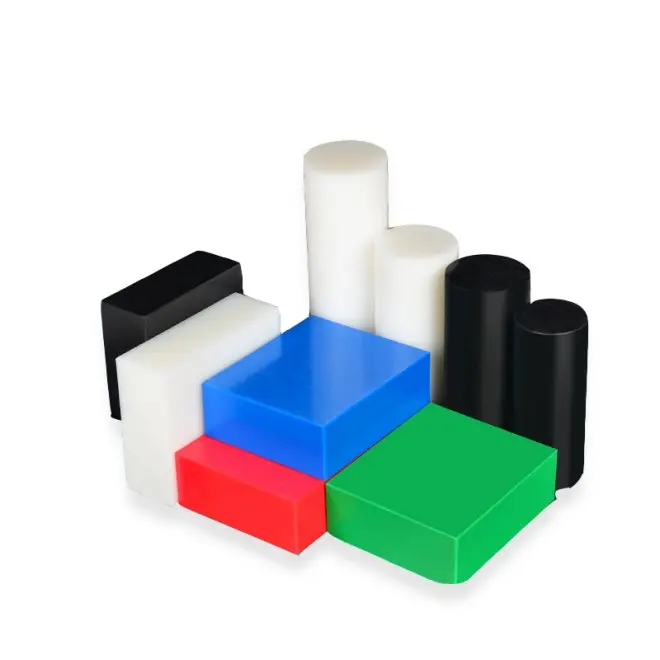
High-density compression-molded virgin plates with zero moisture absorption. Perfect for components in sanitary environments and bulk handling chutes.
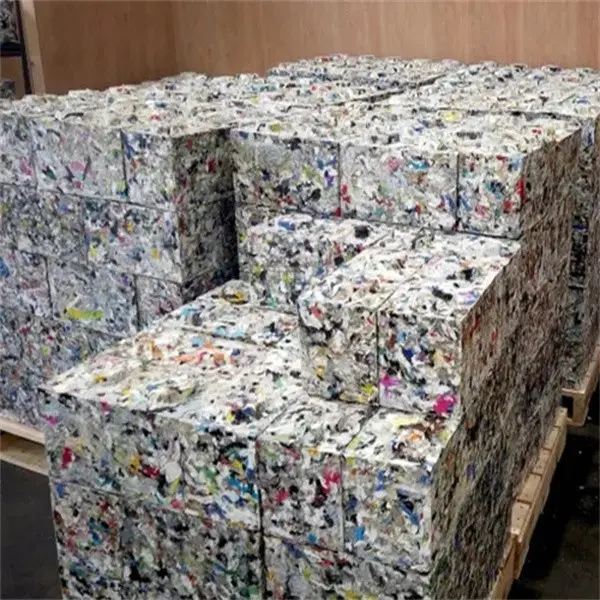
Combining industrial performance with environmental sustainability. Reduces cost and carbon footprint without sacrificing mechanical stability.
Our custom formulation options include anti-static (ESD) additives, flame-retardant modifications, mineral-filled grades for enhanced wear, and UV-stabilized formulations for outdoor applications. This ensures that the base stock material matches the exact operating requirements of the final product.
Managing thermal behaviors and machining tolerances in polymer materials
Machining engineering plastics requires different techniques than machining metals. Thermoplastics have higher thermal expansion coefficients, lower thermal conductivity, and elastic recovery. Without proper process control, heat generation can cause dimensional distortion, warping, and micro-cracking in the machined components.
Engineering plastics expand up to ten times more than steel when heated. To maintain strict tolerances (often within +/- 0.05mm), our CNC technicians use sharp, polished tooling designed specifically for plastics, optimized spindle feeds, and flood cooling. Controlling heat build-up ensures the finished component remains dimensionally stable after cooling down.
Thick-walled plates and extruded rods contain internal stress from the manufacturing process. If these materials are machined without preparation, they can warp or twist as material is removed. Tianjin Beyond subjects all critical semi-finished stock to thermal annealing cycles before machining, relieving internal stress and ensuring long-term dimensional stability.
We use high-rake, polished carbide and PCD tools to shear polymer fibers cleanly, preventing material melting and securing smooth surface finishes.
High chip loads are used to carry heat away from the cutting zone, maintaining stable material temperatures during machining operations.
Components undergo metrology inspections in temperature-controlled labs using Coordinate Measuring Machines (CMM) to verify dimensional accuracy.
Every production batch is fully documented, providing raw material certification, processing records, and compliance tracking from start to finish.
Strict quality control protocols and strategic partnerships with chemical suppliers
Tianjin Beyond Technology Development Co., Ltd. operates under strict quality standards. From raw material inspection to final packaging, all production stages follow the ISO 9001 quality management system. Our manufacturing processes are regularly audited by independent testing organizations like SGS and BV, ensuring our products consistently meet international industrial requirements.
To ensure high quality, we partner with leading chemical manufacturers, including TICONA (Celanese), LG Chem, and Sinopec. This direct access to high-performance raw materials ensures our products exhibit uniform molecular distribution, consistent density, and excellent mechanical properties, avoiding the variations common in lower-grade resins.
Our quality control program includes detailed raw material inspections, continuous monitoring of temperatures during extrusion and molding, and complete traceability. Every shipment is accompanied by a Certificate of Analysis (COA), documenting the material specifications and test results for your project files.
Technical answers to key questions about polymer properties, processing, and application design
The primary difference lies in molecular weight. HDPE (High-Density Polyethylene) has a molecular weight typically ranging from 200,000 to 500,000 g/mol, while UHMWPE (Ultra-High-Molecular-Weight Polyethylene) exceeds 3.0 million g/mol, extending up to 9.0 million g/mol. This higher molecular weight gives UHMWPE superior abrasion resistance, high impact toughness at low temperatures, and a very low coefficient of friction. While HDPE is easier to weld and thermoform, UHMWPE is the preferred material for high-wear environments, such as chute linings, bunker walls, and chain guides.
Thermoplastics exhibit higher coefficients of thermal expansion (CTE) than metals. For example, UHMWPE has a linear expansion rate of approximately 1.5 x 10^-4 K^-1, which is roughly ten times that of steel. When designing assemblies, engineers must incorporate clearance gaps, slotted holes, or floating mounts to allow for dimensional changes during temperature fluctuations. This prevents components from buckling, bowing, or binding during operation.
For high-load, high-temperature sliding applications, PEEK (Polyetheretherketone) or filled PTFE (Polytetrafluoroethylene) compounds are recommended. PEEK maintains high mechanical strength, wear resistance, and dimensional stability up to its continuous service temperature of 260°C. For applications requiring lower friction, PTFE modified with bronze, carbon, or graphite fillers offers a low friction coefficient and high wear resistance at temperatures up to 260°C.
Due to its high melt viscosity, UHMWPE does not flow like conventional plastics when heated, making standard thermal welding difficult and less reliable than with HDPE or PP. The preferred fastening methods for UHMWPE sheets include mechanical fasteners, such as countersunk bolts, weldable metal inserts, or specialty adhesive systems combined with surface flame treatment. Mechanical fastening ensures secure positioning under heavy dynamic shear forces.
Our raw materials and finished engineering plastic sheets comply with international standards, including ISO 9001 quality systems, SGS and BV raw material verifications, FDA food-contact standards for specific virgin PE/PP/PTFE grades, and UL94 flammability ratings (V-0 for flame-retardant modifications). This ensures compliance with regulatory and safety requirements across different industries.
Advanced high-performance plastics and precision CNC-machined components
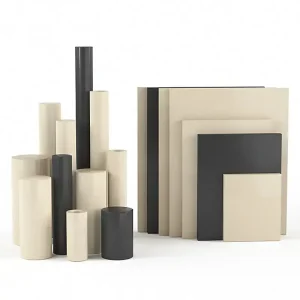
High-performance unfilled PEEK sheet offering exceptional mechanical properties and chemical stability under extreme temperatures.
View Details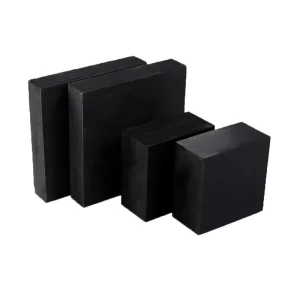
Durable, high-density polyethylene cutting surfaces designed for commercial food preparation and high-impact industrial applications.
View Details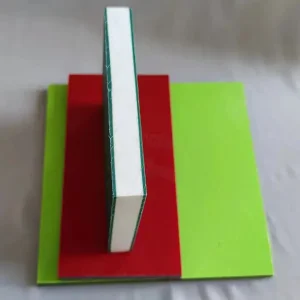
Textured, multi-colored co-extruded HDPE sheet with high UV resistance, ideal for playground structures and exterior signage.
View Details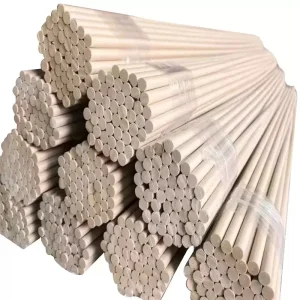
Extruded natural PEEK rods optimized for high-precision CNC machining of wear rings, bushings, and electrical connectors.
View Details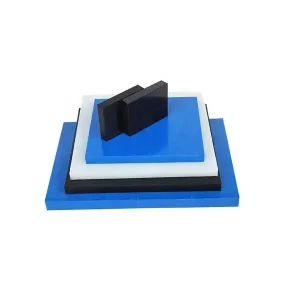
Monomer cast PA6 stock shapes providing high load-bearing capacity and vibration-damping properties for mechanical gear production.
View Details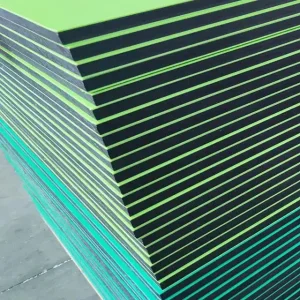
Co-extruded dual-color HDPE panels designed for easy engraving, signage, and decorative structural elements.
View Details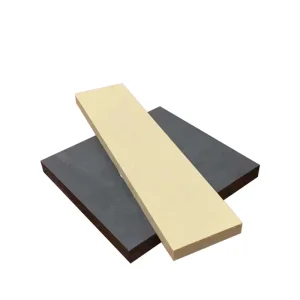
Highly weldable and chemically resistant PP panels, ideal for constructing chemical process tanks and ventilation hoods.
View Details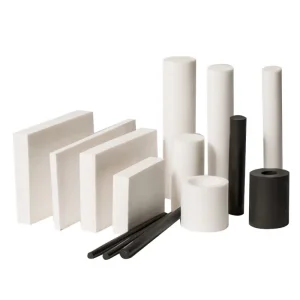
Premium-grade extruded and molded PTFE rods, featuring high thermal limits and chemical resistance for seals and gaskets.
View Details Beyond