Product Detail
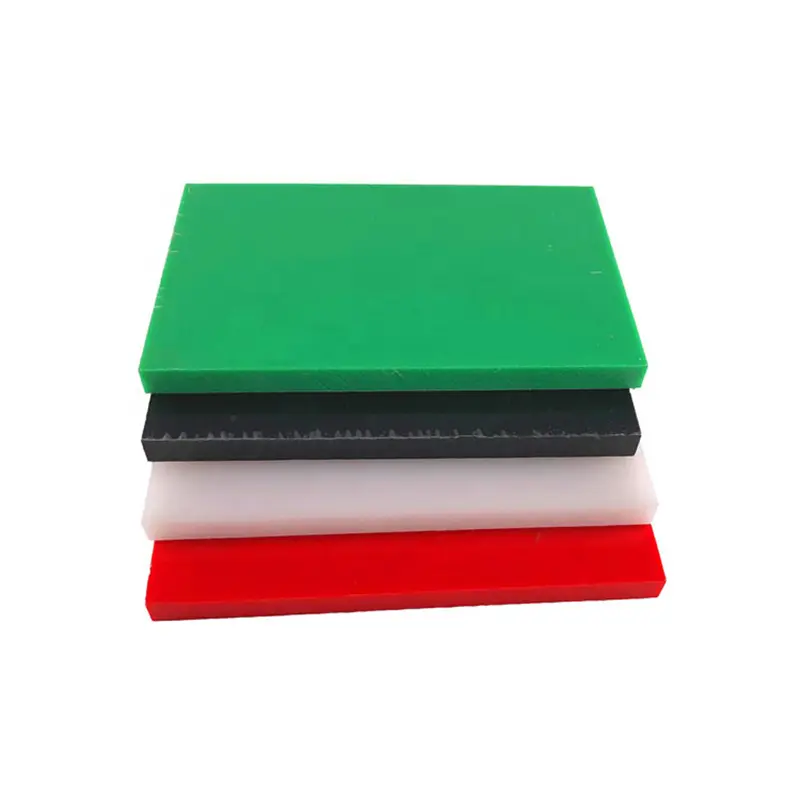
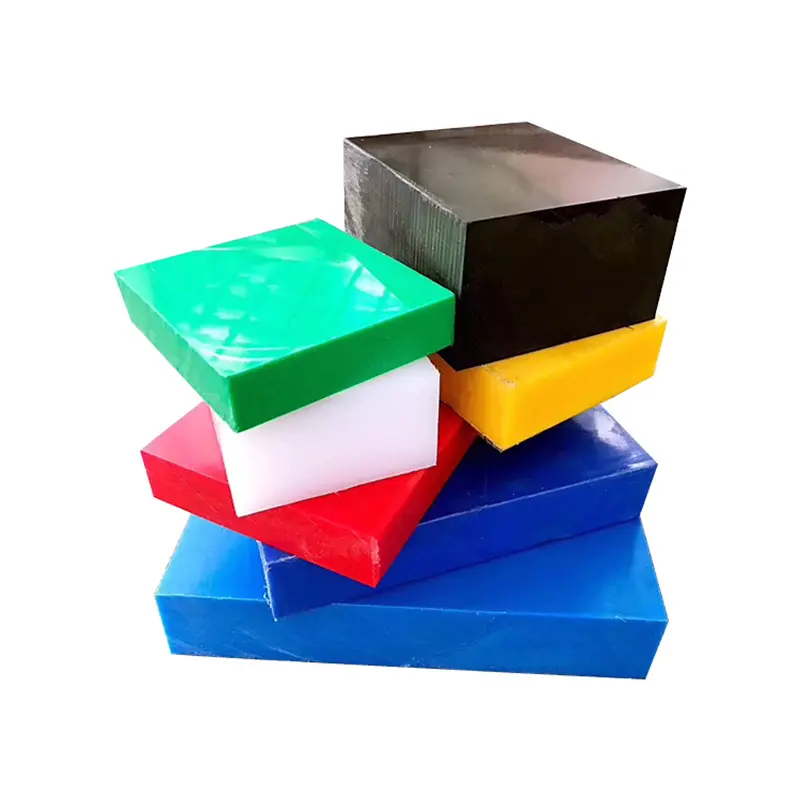
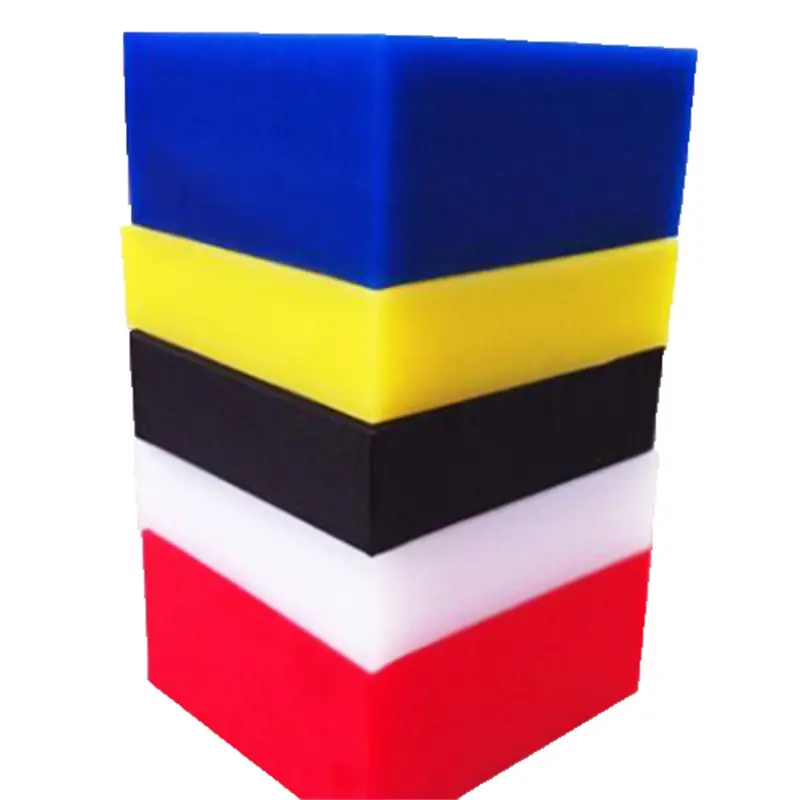
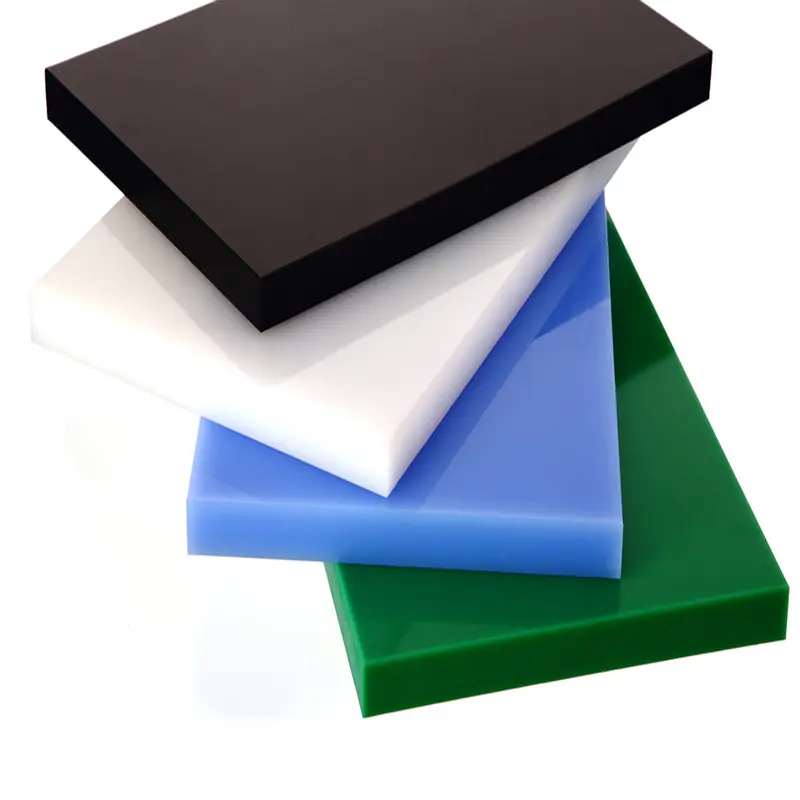
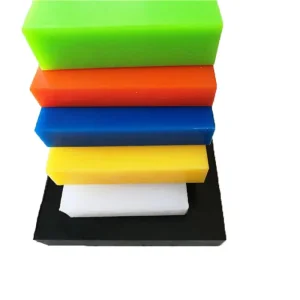
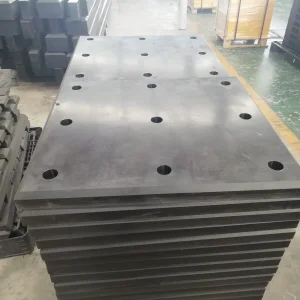
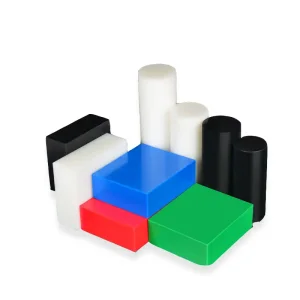
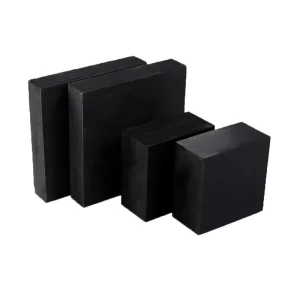
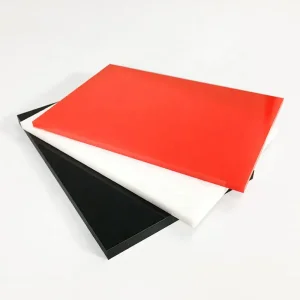
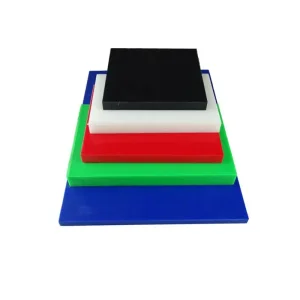
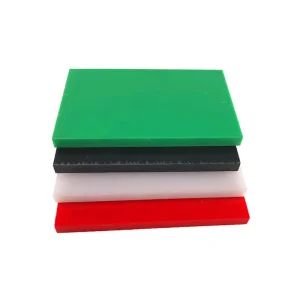
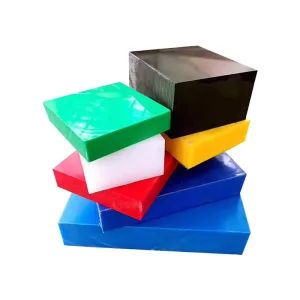
UHMWPE is a high-performance, versatile polymer that can be designed and formulated to meet your industrial needs. Whether you’re looking to replace steel or aluminum, save weight, or reduce cost, Our UHMWPE Sheet can provide the properties you need for your project.
Performance Comparison
High abrasion resistance
| Materials |
UHMWPE |
PTFE |
Nylon 6 |
Steel A |
Polyvinyl fluoride |
Purple steel |
| Wear Rate |
0.32 |
1.72 |
3.30 |
7.36 |
9.63 |
13.12 |
Good self-lubricating properties, low friction
| Materials |
UHMWPE -coal |
Cast stone-coal |
Embroidered plate-coal |
Not embroidered plate-coal |
Concrete coal |
| Wear Rate |
0.15-0.25 |
0.30-0.45 |
0.45-0.58 |
0.30-0.40 |
0.60-0.70 |
High impact strength, good toughness
| Materials |
UHMWPE |
Cast stone |
PAE6 |
POM |
F4 |
A3 |
45# |
| Impact strength |
100-160 |
1.6-15 |
6-11 |
8.13 |
16 |
300-400 |
700 |
Frequently Asked Questions (FAQ)
What are the main advantages of using UHMWPE sheets over traditional materials?
UHMWPE sheets offer superior wear resistance, high impact strength, and excellent self-lubricating properties compared to traditional materials like steel or nylon. It is lighter in weight, highly cost-effective, and resists corrosion completely.
Can UHMWPE be used in the food processing industry?
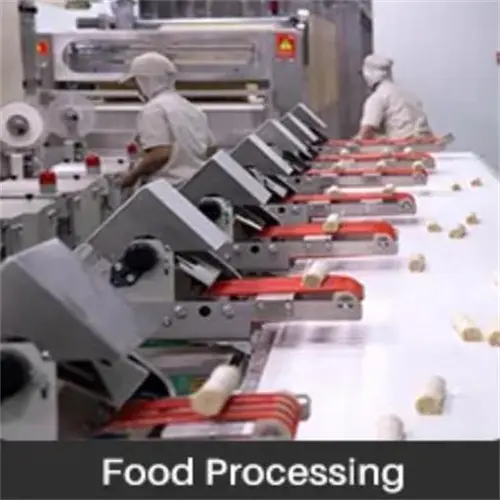
Yes, UHMWPE is non-toxic, has very low water absorption, and is highly resistant to chemicals, making it ideal for food machinery components, guard rails, star wheels, and commercial cutting boards.
How does the wear rate of UHMWPE compare to PTFE and Nylon?
According to standardized testing, UHMWPE has a wear rate of 0.32, which is significantly lower than PTFE (1.72) and Nylon 6 (3.30), demonstrating far superior abrasion resistance.
What temperature range can UHMWPE sheets tolerate?
UHMWPE functions exceptionally well in extreme low-temperature environments. It has a static softening temperature of 132°C and a heat deflection temperature of approximately 85°C.
Is UHMWPE suitable for heavy-duty lining applications?
Absolutely. Due to its high impact strength (100-160 KJ/M3) and low friction coefficient, it is widely used as lining for silos, hoppers, chutes, and wear-resistant plates to improve material flow and protect equipment.
 Beyond