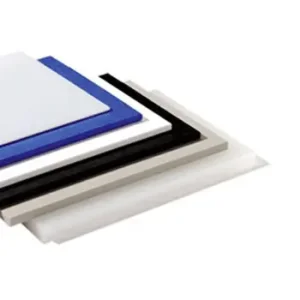
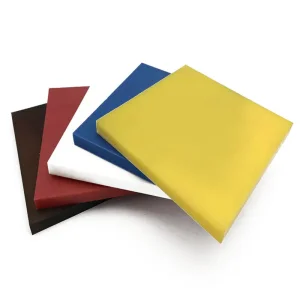
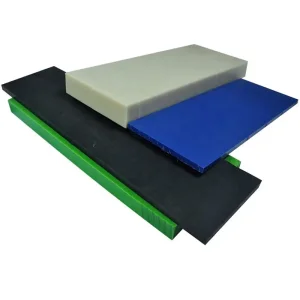
Analyzing the industrial conversion from traditional bronze and steel sleeve bearings to advanced polymer solutions.
In modern industrial design, tribological management—reducing friction and wear—is vital for increasing operational life cycles and minimizing maintenance downtime. Historically, brass, bronze, and Babbitt alloys dominated sleeve bearings and bushings. However, under demanding operational conditions, metal-on-metal sliding surfaces require continuous lubrication, face galvanic corrosion, and present high rotational mass.
OEM Nylon Bushing Stock, engineered from polyamides (PA6, PA66, and Monomer Cast MC Nylon), has emerged as the premier replacement material. Polymeric matrices inherently dampen vibration, absorb impact energy, and significantly reduce noise pollution. Moreover, the self-lubricating variants containing Molybdenum Disulfide (MoS2) or specialized liquid lubricants offer high PV limits, allowing dry operation in vacuum or remote environments where regular lubrication is unfeasible.
A detailed technical roadmap helping engineers select the correct polyamide compound for load-bearing and wear applications.
| Material Grade (Polyamide) | Density (g/cm³) | Tensile Strength (MPa) | Water Absorption at Saturation (%) | Max Operating Temp (°C) | Primary Industrial Applications |
|---|---|---|---|---|---|
| PA6 Extruded (Nylon 6) | 1.13 | 78 | 9.0 | 100 | Conveyor rollers, gears, dynamic sleeves, light-duty spacers. |
| PA66 Extruded (Nylon 6/6) | 1.14 | 85 | 8.0 | 110 | High-temperature electrical insulators, aerospace structural clips. |
| MC Cast Nylon (PA6 Cast) | 1.15 | 82 | 6.5 | 120 | Large-diameter sheaves, heavy crane slide plates, custom gear blanks. |
| MoS2-Filled Cast Nylon | 1.16 | 85 | 6.0 | 125 | High-load sleeve bearings, sliding pads, dynamic railway parts. |
| Oil-Filled Cast Nylon | 1.14 | 75 | 5.5 | 120 | Continuous high-speed applications without external lubrication. |
Extruded Nylon is ideal for smaller, high-tolerance profiles manufactured in high-volume runs. MC Cast Nylon, polymerized directly in molds at atmospheric pressure, is virtually stress-free, possesses higher crystallinity, and can be manufactured in massive physical dimensions.
Polyamides contain amide groups that attract water molecules. Designers must account for a 1% to 2% dimensional change when utilizing Nylon in fully submerged aqueous conditions, adapting clear tolerances accordingly.
Nylon's compressive strength allows it to sustain static loads exceeding 90 MPa. Under continuous rotational movement, the PV (Pressure × Velocity) limit serves as the defining limit to avoid thermal deformation.
A decade of pioneering engineering plastics manufacturing and CNC high-precision machining.
Established in 2015, Tianjin Beyond Technology Development Co., Ltd. is a comprehensive manufacturing enterprise specializing in engineering plastic materials and precision CNC machining. With over a decade of hands-on experience, the company has constructed a formidable infrastructure dedicated to material formulation, extrusion, compression molding, and finished component machining.
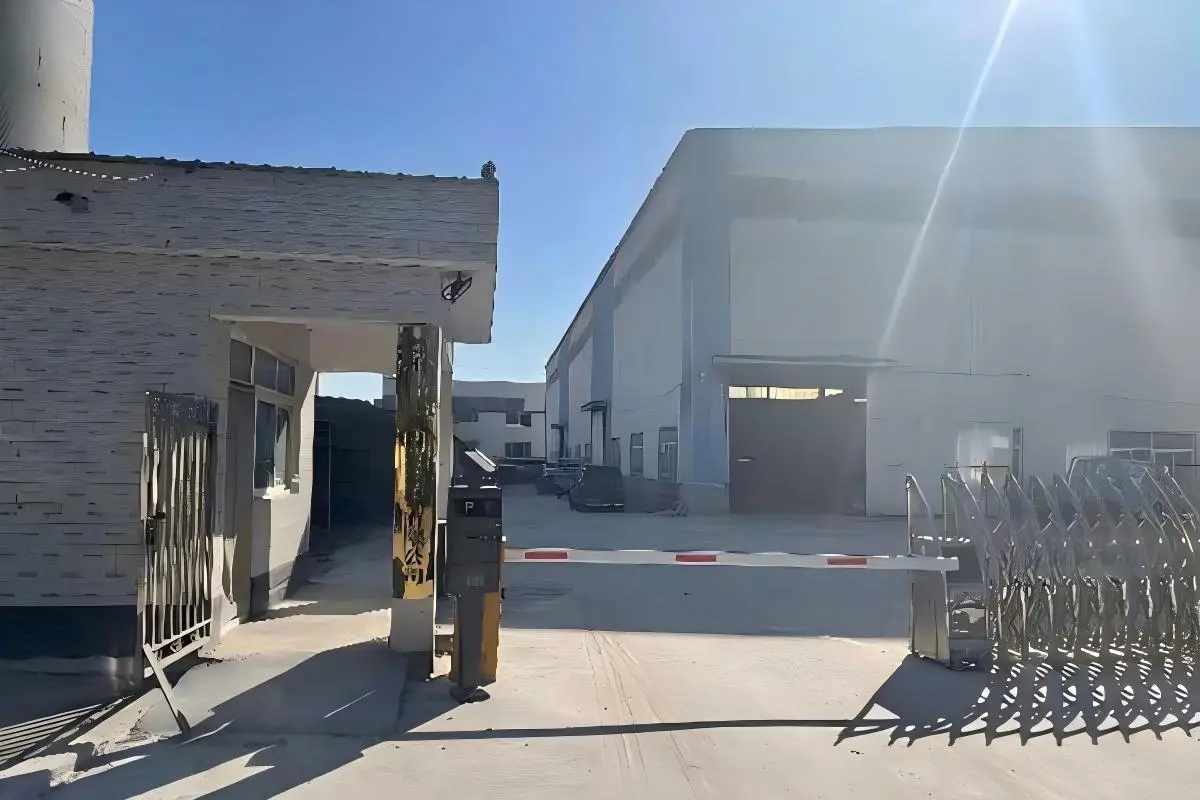
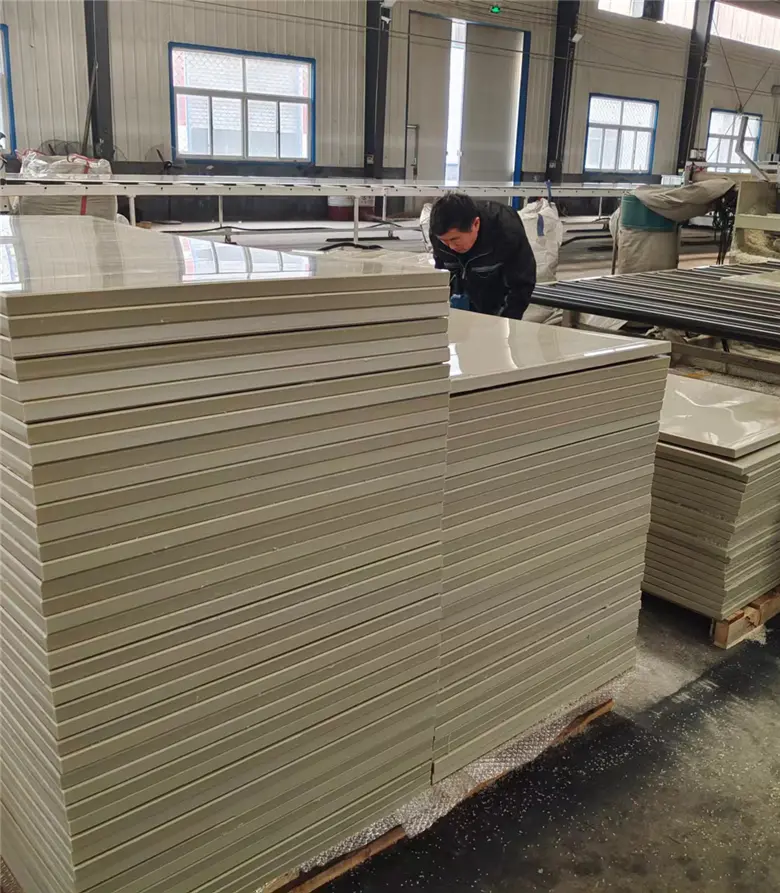
Beyond’s manufacturing base spans approximately 50,000 square meters and integrates state-of-the-art compression molding and extrusion workshops, a dedicated R&D facility, and a high-precision CNC machining center. Outfitted with international production equipment, our facility ensures consistent material structure, stress relief, and high dimensional stability across large production volumes.
As a trusted raw material purchaser of industry giants like TICONA, LG, and Sinopec, we ensure that every batch of Nylon, UHMWPE, HDPE, and POM processed in our facility conforms to strict ISO9001 and international material specifications.
How Nylon Bushing Stock is deployed across diverse industrial sectors globally to tackle localized operational challenges.
Used extensively in oil rigs, agricultural equipment (combine harvesters, seeders), and heavy mining installations in Texas and Alberta. These sites require materials that can withstand sub-zero ambient temperatures while operating in abrasive dust environments.
Strict environmental regulations drive the replacement of metal bearings. Wind turbines in Germany and automated marine logistics hubs in Rotterdam deploy oil-filled cast nylon bushings to avoid soil and water contamination from external grease washouts.
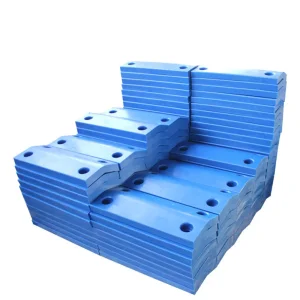
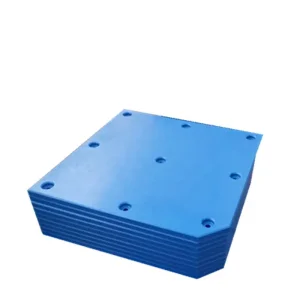
Heavy maritime infrastructure, high-speed rail networks, and rapid industrialization require high-density cast nylon components. Beyond's Nylon pads and bushings are deployed in massive marine dock fender assemblies and industrial stamping presses across coastal regions.
How smart polymers and green manufacturing technologies are reshaping the future of tribology.
The technical roadmap for nylon bushing stocks involves reinforcing polymer matrices with carbon nanotubes (CNTs) and graphene. These additives improve tensile modulus, double the thermal dissipation capacity of the bushing, and reduce static electricity build-up in high-velocity operations.
Furthermore, R&D is progressing toward "Smart Bushings" integrated with sub-surface microscopic conductive layers. As the bushing wears, the circuit resistance shifts, sending real-time data to control rooms to schedule preventive maintenance before failure.
Lastly, bio-based polyamides sourced from castor oil derivatives are gaining traction, allowing manufacturers to drastically decrease their carbon footprint without sacrificing mechanical properties.
Unpacking Beyond's end-to-end supply chain integration, raw material relationships, and logistical agility.
Our deep integration with major chemical suppliers such as TICONA and LG Chem ensures that Tianjin Beyond secures premium resin stocks even during periods of global material shortage. This guarantees pricing stability for long-term OEM contracts.
Unlike standard machining shops that purchase semi-finished rods or plates from third parties, Beyond performs the casting, extrusion, and finish CNC machining in-house. This direct supervision minimizes defect rates and shortens cycle times.
Situated in the Tianjin industrial corridor, our plant has immediate access to Tianjin Port, one of North China's largest maritime shipping gateways. This allows for weekly container shipments to Europe, North America, and Australia with low transit costs.
Ensuring traceablity, strict quality control procedures, and global regulatory compliance across every production run.
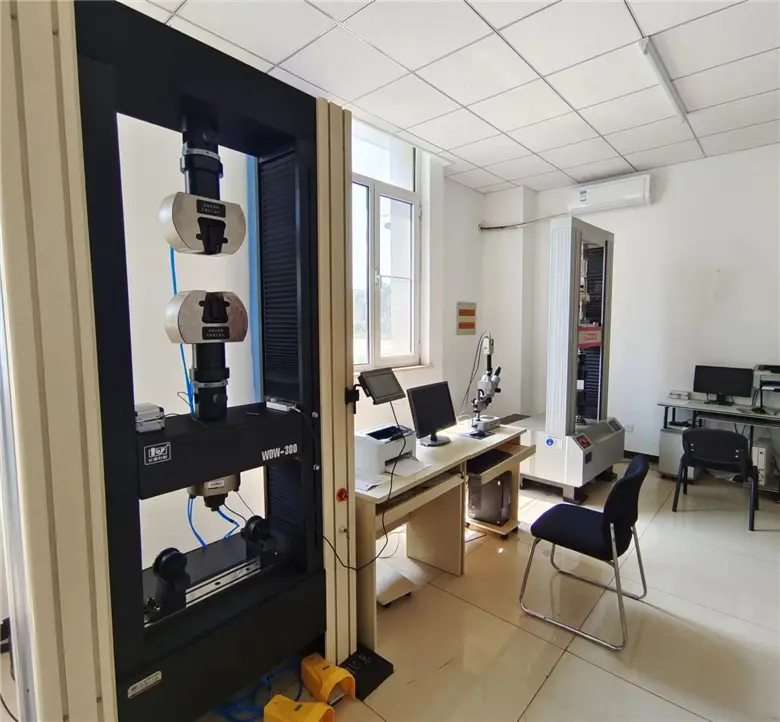
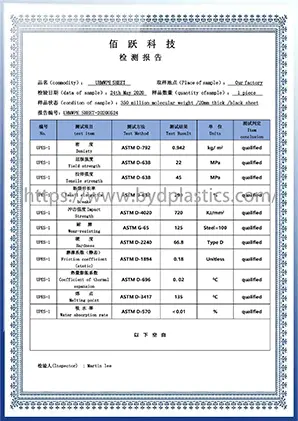
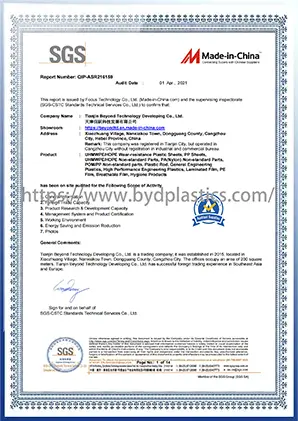
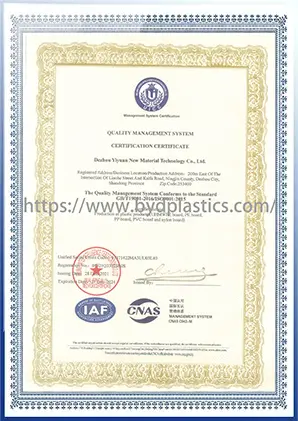
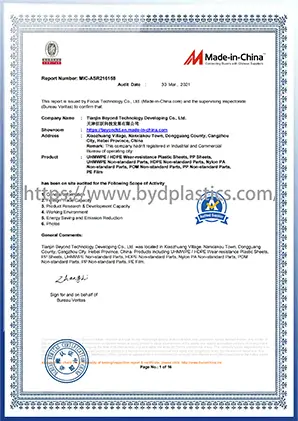
At Tianjin Beyond, we understand that industrial component failure can lead to expensive operational stoppages. Thus, we have built a rigorous quality management system certified under ISO 9001, SGS, and BV guidelines. Every batch of Nylon bushing stock leaves our factory with a comprehensive Certificate of Analysis (COA), tracing the raw material chemical lot back to the supplier.
We provide full compliance with REACH and RoHS directives, certifying that our engineering plastics do not contain banned substances. For applications in food-processing equipment and medical hardware, we supply FDA-compliant virgin nylon materials engineered to resist aggressive sanitization agents.
Addressing the technical, material, and logistical inquiries from lead mechanical engineers and global buyers.
 Beyond