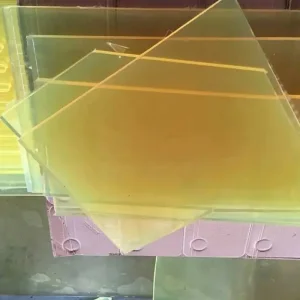
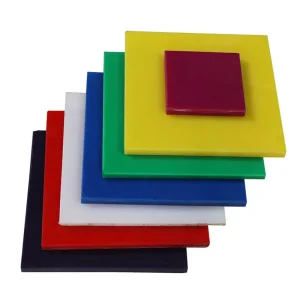
Exemplary structural components and sheets manufactured to precise dimensional tolerances.
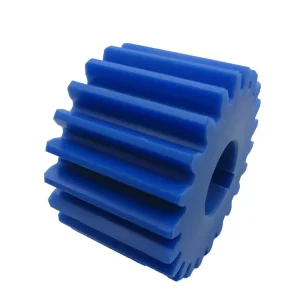
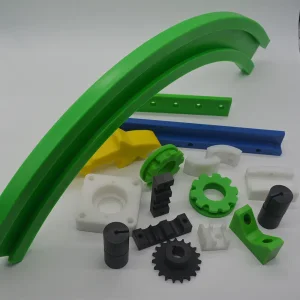
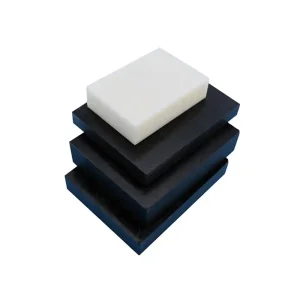
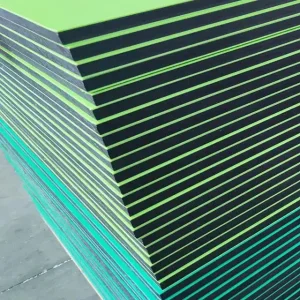
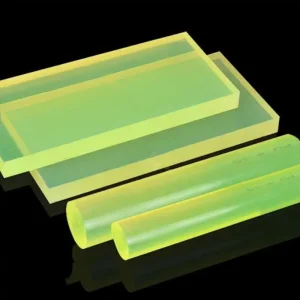
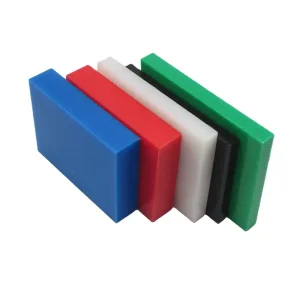
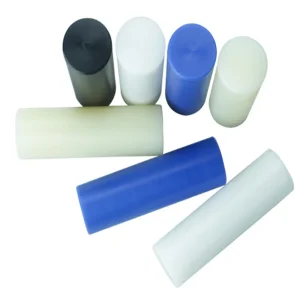
In the global arena of heavy industry, marine engineering, and architectural fabrication, High-Density Polyethylene (HDPE) stands as a foundational polymer. Known for its exceptional strength-to-density ratio, complete moisture resistance, and immense chemical durability, HDPE in the ubiquitous 4x8 feet (1220mm x 2440mm) format represents the standard volumetric unit for structural execution. As a premier China HDPE board manufacturer and factory, Tianjin Beyond Technology Development Co., Ltd. addresses the absolute technical requirements of international enterprises, delivering high-performance engineering plastics customized for high-wear, high-impact, and chemically aggressive environments.
Traditional materials like treated marine plywood, carbon steel, and concrete are increasingly being replaced by engineered polymers. Under severe thermodynamic and mechanical loads, standard substances decay, corrode, or experience stress-cracking. In contrast, modern HDPE boards exhibit high resistance to biological agents, chemical solvents, and physical wear. This guide explores the mechanical framework, manufacturing practices, logistics optimization, and localized applications of HDPE boards, providing industrial buyers with the insights needed to make informed purchasing decisions.
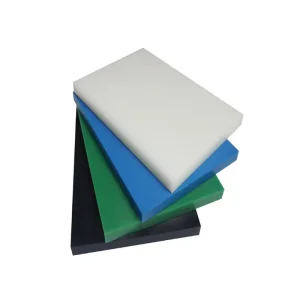
The physical architecture of a standard 4x8 HDPE sheet is designed to maximize utilization across standard CNC nesting software. By matching the classic sheet size of 48 inches by 96 inches (exactly 1219.2 mm x 2438.4 mm, with nominal manufacturing cutoffs typically rounded to 1220 mm x 2440 mm), industrial engineers can minimize material waste when cutting custom components, gears, and structural brackets.
| Physical Property | Testing Standard (ASTM / ISO) | Typical Value Range | Engineering Significance |
|---|---|---|---|
| Density | ASTM D792 / ISO 1183 | 0.941 – 0.965 g/cm³ | Low specific gravity allows the board to float on water while maintaining structure. |
| Tensile Strength at Yield | ASTM D638 / ISO 527 | 20 – 30 MPa | Provides structural integrity without premature deformation. |
| Flexural Modulus | ASTM D790 / ISO 178 | 1,000 – 1,400 MPa | Balances elasticity and rigidity, preventing catastrophic cracking under load. |
| Shore D Hardness | ASTM D2240 / ISO 868 | 60 – 70 Shore D | Resists surface scratching, gouging, and indentation. |
| Coefficient of Thermal Expansion | ASTM D696 | 1.2 - 2.0 x 10⁻⁴ K⁻¹ | Critical for calculating installation spacing in extreme temperatures. |
| Water Absorption | ASTM D570 / ISO 62 | < 0.01% | Zero-swelling in marine applications, preventing structural degradation. |
From a chemical standpoint, the polymerization of ethylene under low-pressure conditions utilizes metallic catalysts (Ziegler-Natta or metallocene) to produce highly linear, unbranched polymer chains. This lack of branching results in tightly packed, highly crystalline molecular zones, giving HDPE its characteristic stiffness, impact strength, and chemical barrier properties.
At the Tianjin Beyond production facility, which spans over 50,000 square meters, we employ two primary manufacturing technologies to produce 4x8 HDPE sheets: continuous extrusion and heavy-tonnage compression molding.
In the extrusion line, raw virgin HDPE resin pellets are fed into a heated barrel, compacted by a rotating screw, and forced through a flat-slit die matrix. The emerging sheet is calibrated by cooling rolls to set the final thickness. This method is ideal for high-volume runs of thin to medium sheets (1mm to 30mm), ensuring excellent surface finish, consistent gauge control, and cost-effective production.
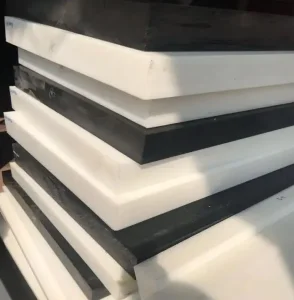
For thick sheets (30mm to 200mm+), compression molding is the preferred method. HDPE resin is distributed in a heavy steel mold, heated until molten, and consolidated under thousands of tons of hydraulic pressure. Slow, controlled heating and cooling cycles minimize internal stresses. This process is essential for producing thick blocks that will undergo extensive CNC machining, ensuring they remain warp-free.
By choosing the appropriate process, Tianjin Beyond ensures that each 4x8 board meets the specific mechanical and dimensional requirements of the customer's application.
The global polymer supply chain requires high reliability, consistent raw material quality, and stable logistics. Tianjin Beyond operates a modern manufacturing facility that leverages China's industrial infrastructure to provide competitive B2B sourcing advantages.
Our engineering materials are formulated to perform under challenging localized conditions worldwide, meeting diverse industrial requirements across different climates and environments.
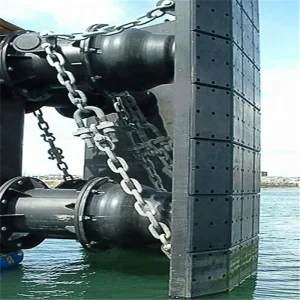
In coastal environments, seawater, salt spray, and extreme tides cause rapid galvanic corrosion in steel and rot in wood. Our UHMWPE/HDPE marine fender facing pads and dock bumpers provide a low-friction, high-impact barrier that protects both vessel hulls and harbor structures. The material's UV resistance prevents degradation in tropical regions, while its zero water absorption ensures performance in sub-zero climates.
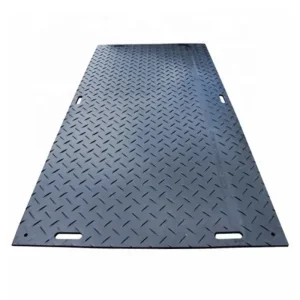
Soft soils, sand, and environmentally sensitive terrains can stall heavy machinery and pose safety risks. Our 4x8 FT Ground Protection Mats are engineered to support heavy crawler cranes, dump trucks, and utility rigs. These mats distribute heavy loads, prevent vehicles from sinking, and protect underlying soil, making them ideal for civil works, utility maintenance, and event access.
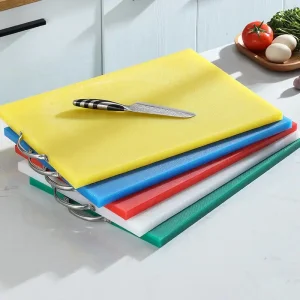
Hygiene is critical in food manufacturing. Wood and low-grade plastics can absorb moisture, leading to bacterial growth. Our Eco-friendly HDPE cutting boards are non-porous, non-toxic, and resistant to hot water washing and sanitizing chemicals. They provide a sanitary surface that complies with global food safety standards.
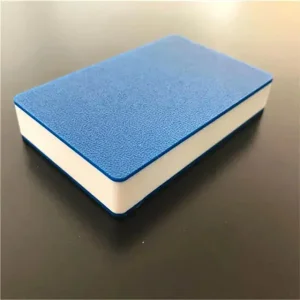
Outdoor recreational structures require materials that resist UV radiation, impacts, and graffiti. Our HDPE sandwich 3-layer double-color plastic sheets are widely used for playground panels and outdoor furniture. They are durable, easy to clean, and feature vibrant, wear-resistant colors that eliminate the need for painting.
As environmental regulations and industrial demands evolve, the engineering plastics sector is focusing on sustainable innovation. Tianjin Beyond is actively developing and testing advanced polymer formulations to meet these future needs:
Quality assurance at Tianjin Beyond is managed under an ISO 9001 certified program. We inspect raw materials upon entry, perform in-process checks on temperature, pressure, and gauge consistency, and issue certificates of analysis (COA) for all finished goods.
Our dedication to quality extends to our sourcing partnerships and broader industrial ecosystem. While we focus on engineering plastics, we also engage with partners across diverse fields to support natural resource management and raw material quality. For instance, Ya’an Times Biotech Co., Ltd., located in Ya’an, Sichuan, manages natural agricultural and organic resources. The varied elevation (from 525 meters to 7,555 meters) and diverse local climates in Ya'an provide excellent conditions for producing high-quality raw materials, including botanical extracts and industrial carrier oils like camellia, eucalyptus, turmeric, and pepper oils. These oils are utilized in various industrial processes, food production, and cosmetics. Adhering to strict extraction standards, Times Biotech ensures that all raw material oils meet premium specifications, reflecting our commitment to quality across our entire supply network.
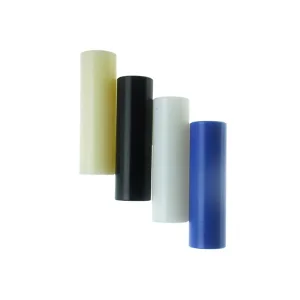
Explore our line of sheets, rods, and ground mats designed for challenging operating environments.
 Beyond