 Beyond
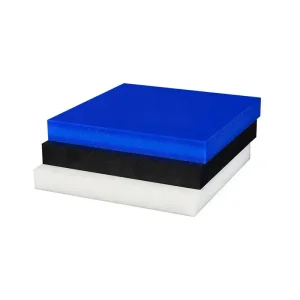
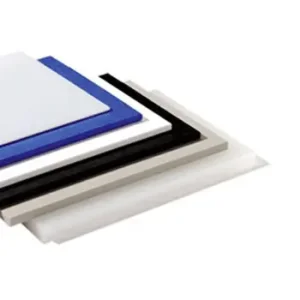
Advanced Whitepaper: Mechanics of Crane Stabilization using UHMWPE Outrigger Pads
1. The Mechanical Dynamics of Ground Stabilization
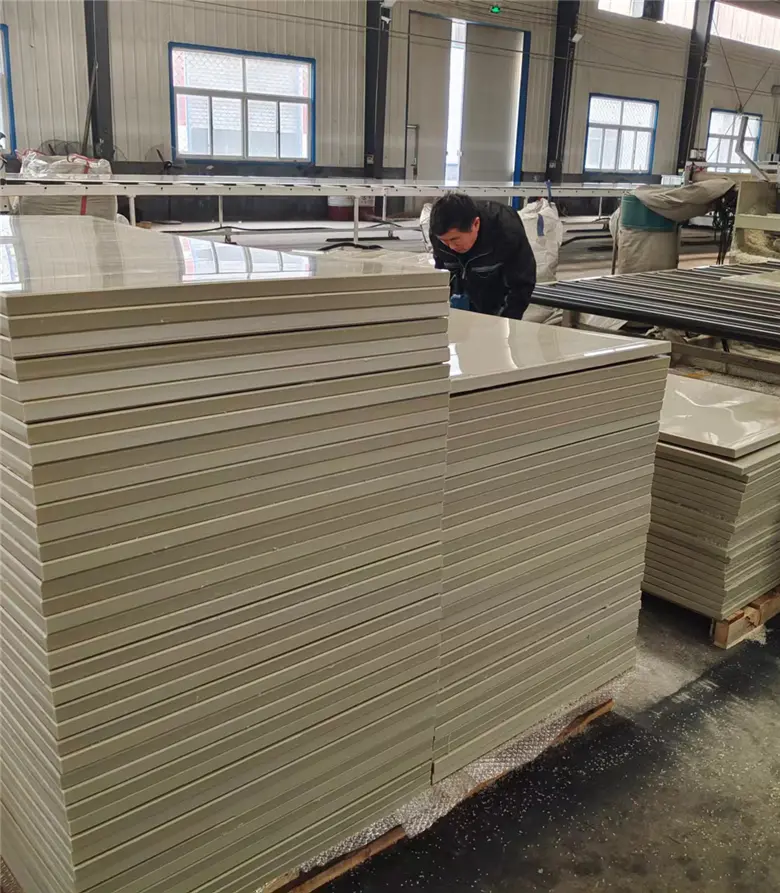
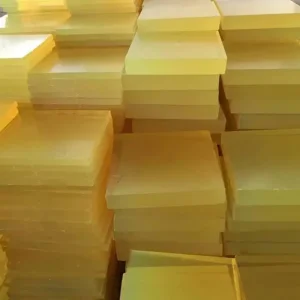
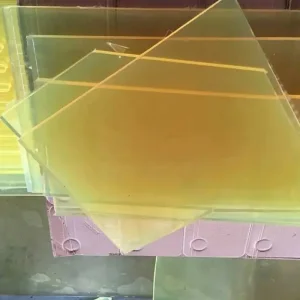
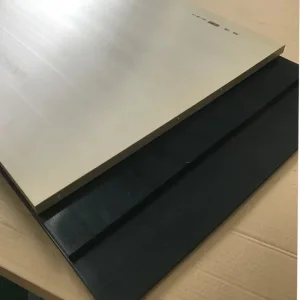
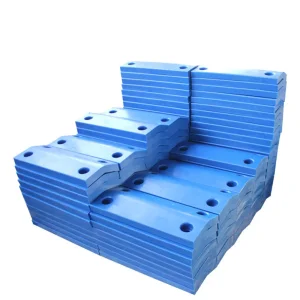
Mobile cranes, concrete boom pumps, and aerial work platforms concentrate multi-ton loads onto relatively small footprints—specifically at the outrigger float contact points. Without proper distribution, the point load can easily exceed the Maximum Allowable Ground Bearing Capacity (AGBC), triggering catastrophic ground failure, vehicle listing, or complete tip-over. UHMWPE (Ultra-High Molecular Weight Polyethylene) outrigger pads serve as mechanical load spreaders, transferring localized vertical forces outward to reduce the net pressure (PSI or kN/m²) exerted on the terrain.
“For safely stabilizing heavy cranes, the surface area of the outrigger pad must expand proportionally with the crane load and the fragility of the sub-soil. UHMWPE provides the structural rigidity to spread this force without bending or fracturing.”
2. Material Comparison: UHMWPE vs. Wood & Steel
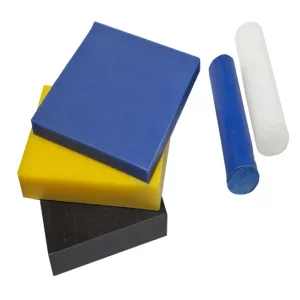
For decades, heavy lifting operations relied on timber dunnage, plywood sheets, or custom steel plates to spread outrigger loads. However, timber undergoes internal shear degradation, moisture absorption, rot, and unpredictable fracturing under cyclical loading. Steel plates, while strong, are heavy, prone to permanent deformation, difficult to deploy safely, and rust. UHMWPE represents a significant evolution in industrial safety: it displays zero water absorption, has high impact strength, and exhibits elastomeric recovery under high stress, ensuring the pad returns to shape after load removal.
| Property Matrix | Virgin UHMWPE (PE1000) | Oak Wood Dunnage | Structural Carbon Steel |
|---|---|---|---|
| Density (g/cm³) | 0.93 - 0.97 (Lightweight / Floats) | 0.75 - 0.85 (Water Absorptive) | 7.85 (Heavy, demands rigging) |
| Compressive Yield Strength | > 20 MPa | 8 - 12 MPa (Varies with grain) | 250 MPa |
| Moisture Absorption | 0.00% (No degradation in wet soil) | Up to 30% (Spurs rot/splitting) | 0.00% (Rusts without treatment) |
| Chemical Resistance | Impervious to oils, acids, solvents | Degraded by chemicals and molds | Corrodes under salt & acidic soils |
| Fracture Style | Non-brittle ductile yielding | Splintering, catastrophic shear | Bending, plastic deformation |
3. Molecular Weight Factor in Polymer Selection
The performance of an outrigger pad depends heavily on its molecular chain length. Tianjin Beyond produces outrigger pads using resins ranging from 5 to 9.2 million g/mol molecular weight. The high concentration of long molecular chains yields superior impact resistance and energy absorption. This material prevents localized stresses from developing micro-fissures, which is a common failure mode in lower-grade PE300 (HDPE) or PE500 grades when subjected to uneven underfoot conditions, such as gravel, rock protrusions, or debris.