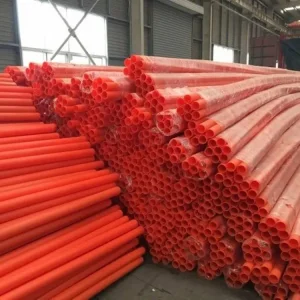
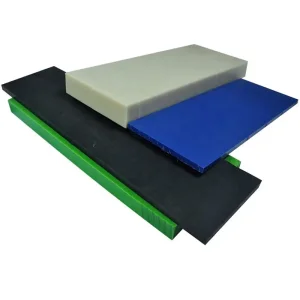
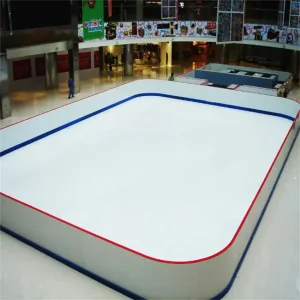
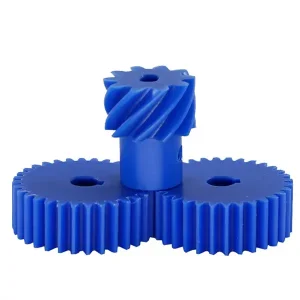
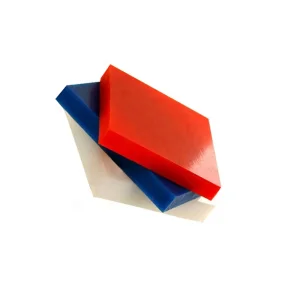
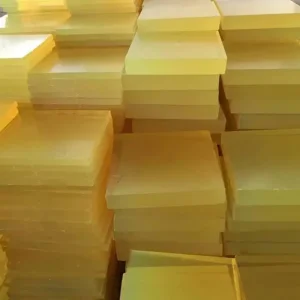
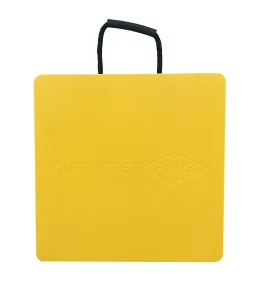
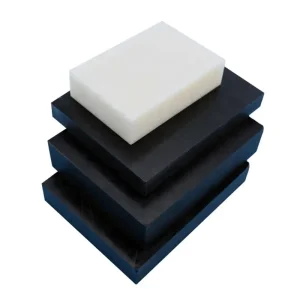
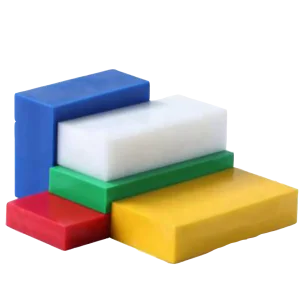
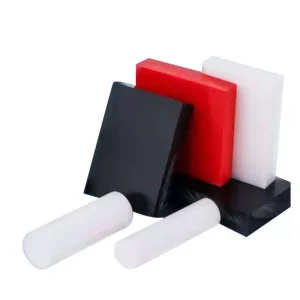
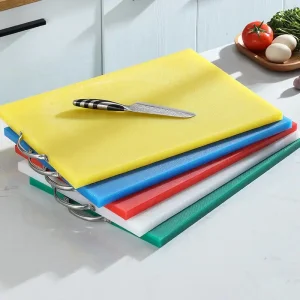
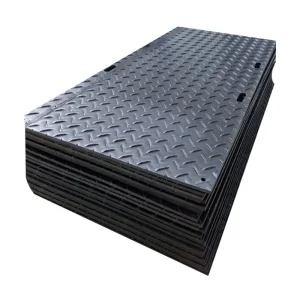
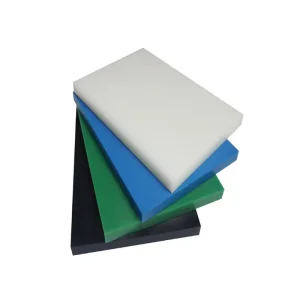
Premium OEM custom wear-resistant plastics, protective structures, and precision-machined heavy industrial equipment components.
Worm gear and shaft assemblies represent one of the most critical and robust mechanical speed-reduction configurations in modern power transmission engineering. Typically comprised of a threaded cylindrical worm (shaft) meshing with a conjugate gear wheel (worm wheel), this pairing facilitates massive mechanical torque multiplication, compact footprint layouts, and natural, high-performance self-locking properties.
As global industrial manufacturing transitions into the era of advanced robotics, precision packaging, heavy-load bulk logistics, and clean-energy mechanical actuation, the operational parameters of worm gears have escalated. OEMs worldwide are prioritizing high efficiency, minimal gear backlash, exceptional heat dissipation, and prolonged operational cycles under extreme loads.
“Modern industrial growth is fueled by mechanical component reliability. A breakdown in a worm gear transmission can cost automated factories tens of thousands of dollars per hour in unscheduled downtime. Material science, mechanical alignment, and precise profile grinding are the true pillars of transmission longevity.”
Unlike standard spur or helical gear setups that interact through rolling contact, worm gearing operates primarily through sliding action. This sliding contact kinematics offers several benefits:
Providing specialized manufacturing capabilities designed to meet high mechanical load limits and strict structural tolerances.
Precision-ground profile structures engineered with optimized relief angles and specialized flank geometries to distribute oil film evenly and reduce frictional resistance.
We source carbon steels, alloy steels (20CrMnTi, 40Cr), high-grade bronze alloys, and premium engineering plastics (PEEK, PA6, POM, UHMWPE) for quiet, self-lubricating setups.
Each production run undergoes rigorous QA tracking with coordinate measuring machines (CMM), coordinate optical scanners, and ultrasonic material testers.
The predominant failure mode in worm gear systems is adhesive wear (scuffing) and localized frictional heat buildup due to the intense sliding nature of the gear mesh. Selecting the ideal mating materials is essential for preventing premature surface fatigue, pitting, and drive failure.
Conventionally, the worm shaft is manufactured from a hard material (such as hardened and polished steel) while the worm wheel is made from a softer, highly compliant material (such as phosphor bronze). In recent years, high-performance engineering plastics have emerged as viable alternatives to metals, particularly in light-load, high-precision, low-noise, and corrosive environments.
| Material Class | Common Alloys / Polymers | Ideal Application Environment | Key Operational Advantages |
|---|---|---|---|
| Alloy Steels (Shafts) | 20CrMnTi, 40Cr, 18CrNi8 | Heavy industrial gearboxes, high torque applications | High surface hardness (HRC 58-62 post-carburizing), exceptional fatigue strength. |
| Bronze Alloys (Wheels) | Phosphor Bronze (QSn10-1), Al-Bronze | Continuous running machinery, industrial elevators | Low friction coefficient against steel, high wear resistance, excellent heat dissipation. |
| High-Performance POM | Delrin® 100/500, Acetal Copolymer | Office automation, medical devices, conveyor systems | Excellent dimensional stability, low moisture absorption, natural self-lubricating surface. |
| Polyamide (Nylon PA6/66) | Nylon PA6 Cast, PA66 + Glass Filled | Packaging machinery, agricultural equipment | High shock absorption, noise reduction, lightweight, good mechanical dampening. |
| Ultra-Wear UHMWPE | PE1000, Custom Wear-Resistant PE | Chemical processing plants, marine port equipment | Near-zero moisture absorption, superior impact resistance, chemical-inert operations. |
Achieving the right geometry for the worm thread profile (such as ZA, ZN, ZI, or ZK profiles) is crucial to optimizing the contact pattern between the worm shaft and the wheel. By employing state-of-the-art CNC worm grinding machines, manufacturers can control profile tolerances within microscopic scales. Correct surface roughness (Ra < 0.4 μm) on the worm thread reduces initial wear during the break-in period, thereby extending the life of the system.
Operating from Tianjin, China's northern industrial hub, Tianjin Beyond Technology Development Co., Ltd. demonstrates the high efficiency, adaptability, and resilience characteristic of Chinese manufacturing. Since 2015, the company has integrated engineering plastic production with precision CNC machining within a modern 50,000 square meter facility.
This dual capability—combining polymer compression molding and extrusion lines with CNC lathes, milling machines, and large-scale engraving equipment—enables the production of integrated worm gear and shaft assemblies. Clients benefit from a streamlined sourcing process: we manufacture raw material sheets and rods, and machine complex gears, mating shafts, and protective housings under one roof.
“By maintaining direct raw material procurement partnerships with top-tier global polymer giants including TICONA, LG, and Sinopec, Tianjin Beyond ensures that every custom component is fabricated from fully traceable, high-performance granules.”
We specialize in tailoring custom worm gears and shafts to the operational demands of distinct regional markets:
The future of worm gear design is closely tied to digital manufacturing, predictive maintenance, and environmental sustainability.
1. Optimization of the Double-Enveloping Profile: Double-enveloping worm gears, which feature a hourglass-shaped worm wrapping around the gear wheel, increase the contact area between the teeth. This design boosts load capacity and shock absorption, making it a key focus for heavy-duty applications.
2. Smart Gears and Embedded Diagnostics: In line with Industry 4.0, next-generation gearboxes incorporate embedded micro-sensors. These sensors track operational temperature, shaft vibration, and wear debris, allowing operators to plan maintenance before components fail.
3. Dry-Running and Eco-Friendly Polymers: To support environmental sustainability, there is growing demand for gear systems that do not require oil lubrication. High-strength polymer blends, such as PEEK and carbon-fiber reinforced polyamides, enable oil-free operation, preventing contamination in food-processing and medical settings.
Exporting high-precision transmission elements globally requires strict adherence to international quality frameworks. Tianjin Beyond manufactures all custom products to align with recognized global standardizations:
Expert answers addressing the design, material selection, and optimization of worm gear and shaft assemblies.
Premium sheets, rods, and machined components designed for wear resistance and structural durability.
 Beyond