
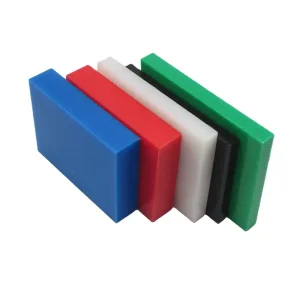
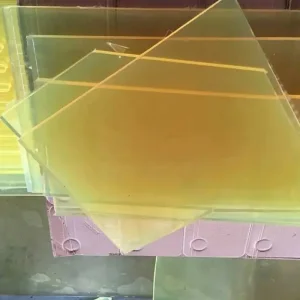
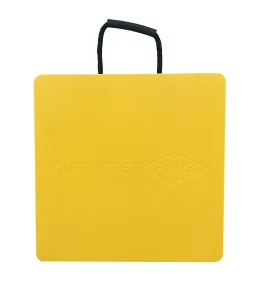
Established in 2015, Tianjin Beyond Technology Development Co., Ltd. has spent over a decade establishing itself as a powerhouse in the manufacturing of engineering plastic materials and precision CNC machined components. Operating from an expansive 50,000 square meter state-of-the-art facility, we combine raw polymer synthesis, specialized compression molding, extrusion workflows, and elite gantry CNC machining centers.
While we manufacture specialized components in UHMWPE, HDPE, PP, and PVC sheets/rods, we also serve as a key mechanical processing partner for structural components within high-capacity polymer processing machinery. Our direct understanding of material science—including the behavior of PVC, POM, and Polyethylene under extreme load, thermal stress, and shear forces—allows us to design and source top-tier OEM PVC Rigid Sheet Machines. We bridge the gap between heavy metal engineering and dynamic polymer processing, providing high-output, energy-saving extruders built to withstand demanding operating environments.
50,000m²
Modern Factory Infrastructure
10+Years
Engineering Industry Experience
50+Experts
Technical & CNC Machining Staff
ISO9001SGS/BV
International Quality Benchmarks
Rigid Polyvinyl Chloride (uPVC/rPVC) is a notoriously challenging polymer to process. It possesses a narrow thermal processing window and high melt viscosity, which can lead to degradation if subjected to improper shear forces or temperature control. A high-performance PVC rigid sheet machine must rely on precise temperature regulation, optimal screw design, and robust mechanical construction.
The heart of the extrusion line is the twin-screw extruder. Depending on the formulation (specifically the amount of calcium carbonate filling and stabilizer types), processors select between:
Due to the corrosive nature of hydrochloric acid gas (HCl) released during PVC processing, the screw and barrel must be constructed from high-grade bimetallic alloys. Nitriding treatments, high-velocity oxygen fuel (HVOF) coatings, and specialized chrome plating are used to ensure the wear resistance of the screw flights. Barrels are outfitted with cast-aluminum heaters paired with multi-stage cooling fans or oil-circulation cooling systems to maintain a consistent thermal profile.
| Feature | Standard OEM Configuration | Beyond Premium Tech Upgrades | Operational Benefit |
|---|---|---|---|
| Screw/Barrel Treatment | Nitrided steel (38CrMoAlA) | Bimetallic alloy coat (Tungsten Carbide) | Up to 3x longer service life under high CaCO₃ load |
| Degassing System | Single-stage venting port | High-vacuum dry pump system | Eliminates volatiles, prevents sheet pitting |
| Calender Stack Drive | Combined chain drive | Independent servo-motor drive for each roll | Eliminates surface chattering, ensures precise thickness |
| Automation Suite | Relay-based controls | Siemens PLC with IoT connectivity | Real-time tracking of melt temperature & energy |
To produce a high-gloss, ultra-flat rigid PVC sheet, the extruded melt must pass through a precision vertical, horizontal, or oblique three-roll calender. Each roll is polished to a mirror finish (roughness Ra < 0.025 μm) and internally channel-drilled for precise oil or water tempering. This layout ensures uniform cooling, prevents warpage, and controls sheet thickness down to micron-level tolerances.
Tianjin's advanced manufacturing hub links raw material suppliers (Sinopec, LG), metallurgical experts, and precision CNC components. This reduces transit times, streamlines sourcing, and keeps production costs low.
Unlike rigid standard lines, our OEM approach customizes feed blocks, die configurations, and calender orientations to match specific downstream applications. Whether you need rigid, semi-rigid, or co-extruded sheets, our engineering team can adapt the machinery to your needs.
Operating under ISO9001 and verified by SGS and BV, our quality control begins at the raw material stage. We verify the hardness and surface finish of all critical components using ultrasonic and coordinate measuring machines before delivery.
Rigid PVC sheets are used across several key industries due to their high mechanical strength, flame retardancy, and resistance to chemical corrosion:
Technological developments in PVC sheet production center around energy efficiency, automated control, and co-extrusion technology. Modern systems utilize A-B-A co-extrusion lines, allowing processors to use recycled PVC in the core layer (B) while keeping virgin polymer on the outer layers (A). This configuration reduces material costs by up to 35% while maintaining the sheet's surface finish and UV resistance. Additionally, integrated AI control loops monitor parameters like melt pressure and motor load to prevent material degradation.
 Beyond