Explore our foundational range of customized polymers manufactured to rigorous global specifications.
A technical examination of industrial demands, polymer characteristics, and manufacturing capacities.
The contemporary global market for OEM engineering plastics is undergoing a structural transition. Mechanical designers, industrial engineers, and procurement specialists are increasingly moving away from heavy metallic materials towards high-performance thermoplastics. Polymers such as Ultra-High-Molecular-Weight Polyethylene (UHMWPE), High-Density Polyethylene (HDPE), Polyamide (Nylon PA6/PA66), Polyoxymethylene (POM Delrin), Polypropylene (PP), and Polyurethane (PU) are now the bedrock of modern industrial components.
These advanced polymers are chosen for their superior strength-to-weight ratios, self-lubricating properties, extreme wear resistance, and resistance to chemical corrosion. Choosing the right OEM plastic market factory is critical to securing components that perform reliably in demanding settings, such as sub-zero mining environments, heavy-duty marine docks, automated material handling lines, and food-grade packaging facilities.
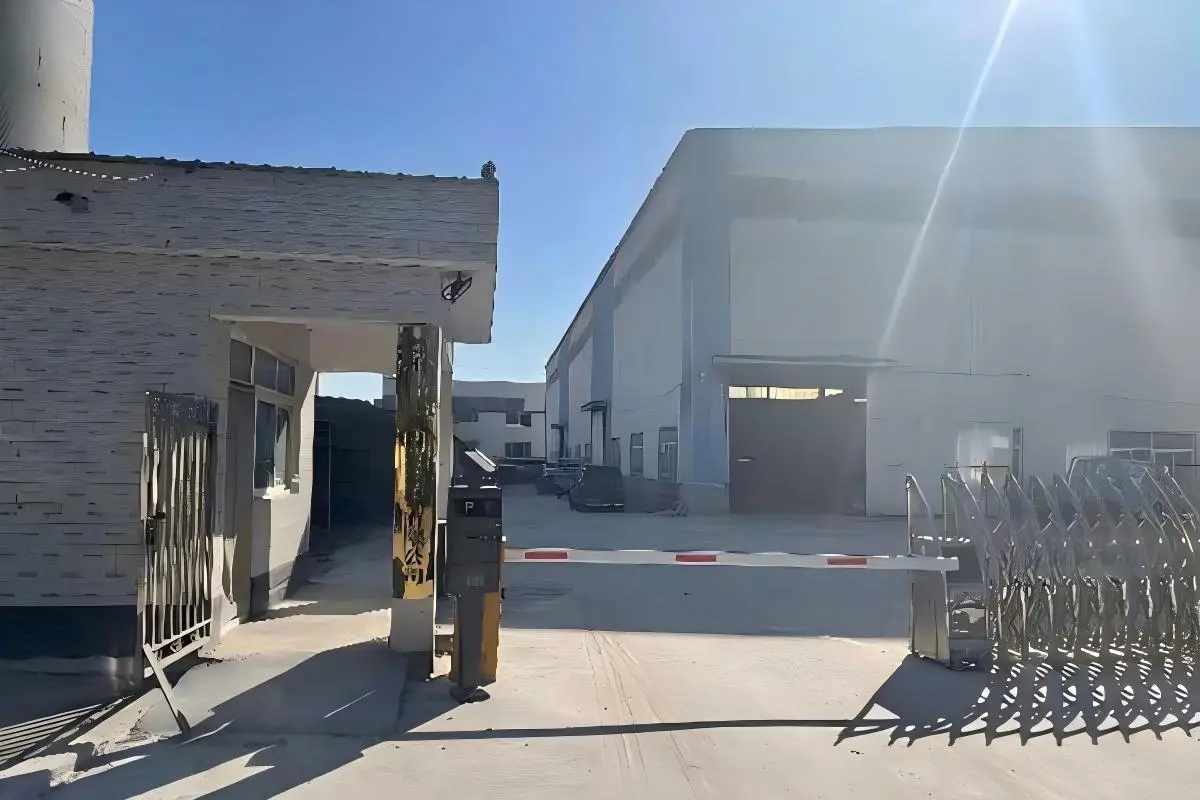
Comprehensive design-to-production workflows from our state-of-the-art facilities.
Operating a modernized manufacturing complex, Tianjin Beyond Technology Development Co., Ltd. is a leading comprehensive manufacturing enterprise specializing in engineering plastic materials and precision CNC machining. Established in 2015, the organization leverages over ten years of deep practical experience in engineering plastics manufacturing, building strong, reliable capabilities in material processing, tolerance control, and high-volume industrial production.
BEYOND’s manufacturing base spans approximately 50,000 square meters, integrating compression molding workshops, extrusion lines, a precision CNC machining center, and a dedicated R&D facility. Our infrastructure is outfitted with advanced international equipment, including gantry CNC lathes, gantry CNC milling machines, and large-scale CNC engraving systems.
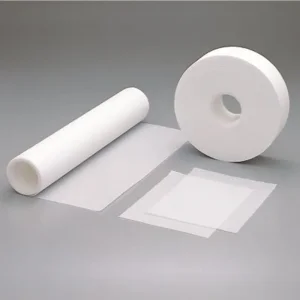
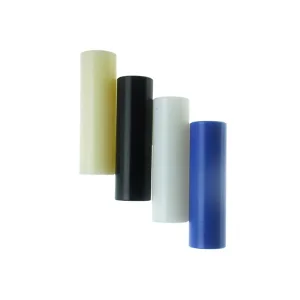
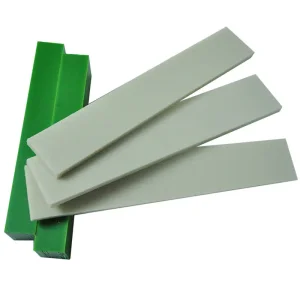
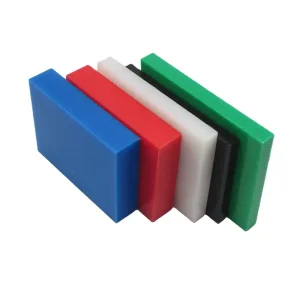
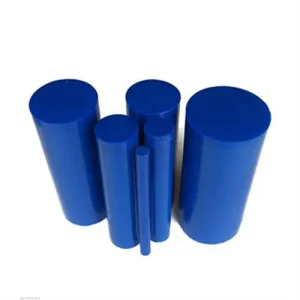
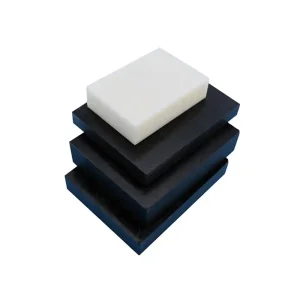
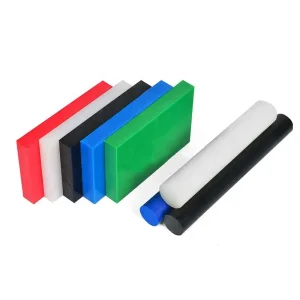
We focus on the manufacturing of UHMWPE, HDPE, PP, and PVC sheets and rods, as well as a wide range of custom non-standard engineering plastic components and precision metal CNC machined parts. This integrated setup allows us to ensure consistent quality, maintain efficient production, and deliver customized products that meet the highest industrial standards.
Quality begins with premium raw materials. BEYOND is a trusted partner and purchaser of raw materials from global industry leaders, including TICONA, LG, and Sinopec. Our close collaboration with plastic research institutes and top-tier universities fuels continuous development of specialized polymer grades (antistatic, flame retardant, radiation shielding, etc.).
Understanding why Chinese manufacturing hubs offer unmatched advantages in logistics, raw materials, and processing efficiency.
The manufacturing concentration of high-performance engineering plastics in China, specifically in industrial areas like Tianjin, provides a strong ecosystem advantage for global buyers. This structural efficiency is characterized by:
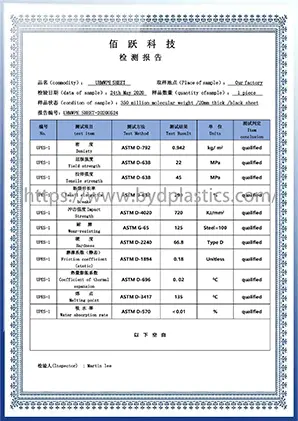
We combine Chinese industrial agility with strict Western compliance frameworks. We adhere to the operational ethos of "Quality + Speed + Service = Value". Every batch of engineering plastic is backed by comprehensive material testing reports (MTRs), ensuring traceable chemical purity and mechanical integrity from raw polymer to the finished part.
A deep dive into the polymer profiles driving modern heavy industry and precision engineering applications.
Ultra-High-Molecular-Weight Polyethylene represents the pinnacle of wear and impact resistance. With a molecular weight ranging from 3.0 to 9.2 million g/mol, UHMWPE offers a low coefficient of friction (0.10–0.22), self-lubricating qualities, and zero water absorption.
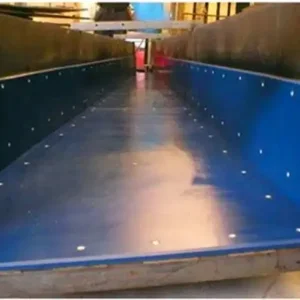
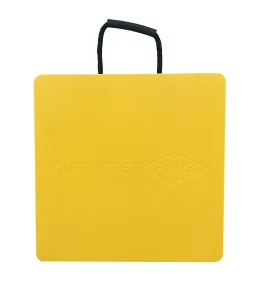
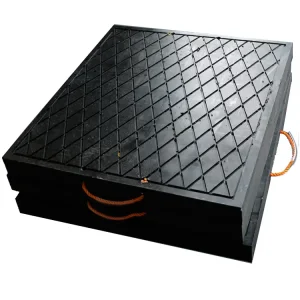
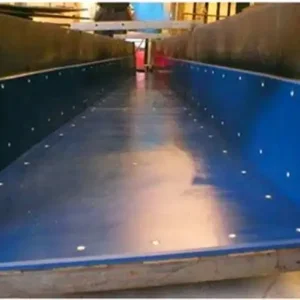
Applications: Crane outrigger pads, dock fender facing plates, coal bunker liners, high-speed conveyor chain guides, and truck bed liners.
High-Density Polyethylene features strong chemical resistance, low moisture absorption, and excellent structural integrity. PE500 (High-Molecular-Weight Polyethylene) bridges the gap between standard HDPE and PE1000, offering heightened impact strength for heavy machinery wear applications.
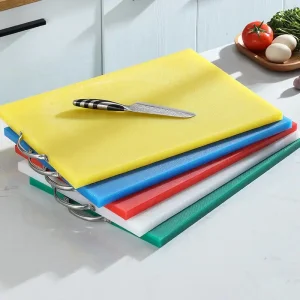
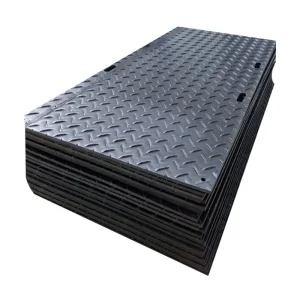
Applications: Industrial cutting boards, ground protection mats for heavy equipment, custom-colored playground boards, and chemical tanks.
Polyamide (Cast & Extruded) is the default choice for load-bearing structural parts that replace brass, bronze, and aluminum. It combines high tensile strength, elasticity, and heat resistance, though it has moderate moisture absorption that engineers must account for during precision design.
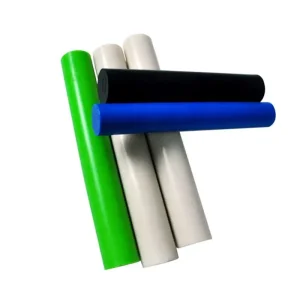
Applications: Heavy industrial gears, wear strips, slide blocks, sheaves, pulleys, and customized solid round rods for bushings.
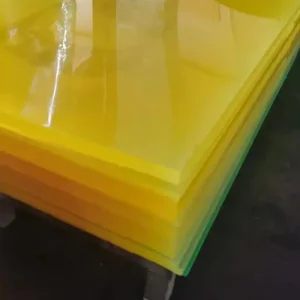
Polyoxymethylene (POM), commonly known as Delrin, delivers high dimensional stability, low moisture absorption, and excellent machining properties. Polyurethane (PU) offers elastomeric memory, extreme tear resistance, and high load-bearing capacity.
Applications: High-tolerance CNC-machined parts, electronics housings, precision gears, elastomeric springs, scraper blades, and custom cast PU sheets.
Ensuring absolute compliance and traceability across our manufacturing cycles.
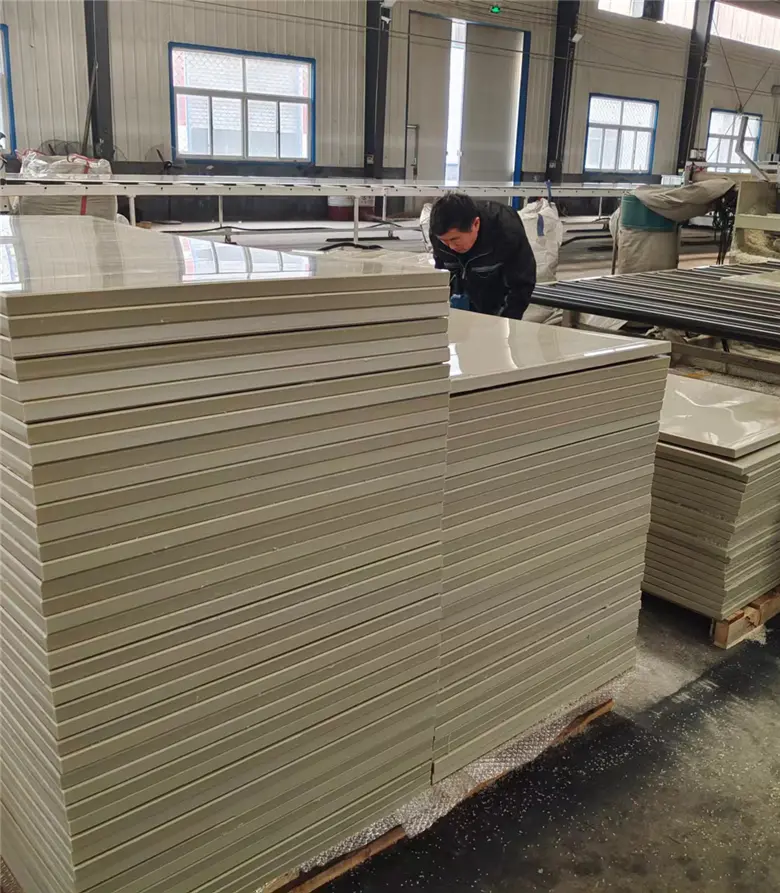
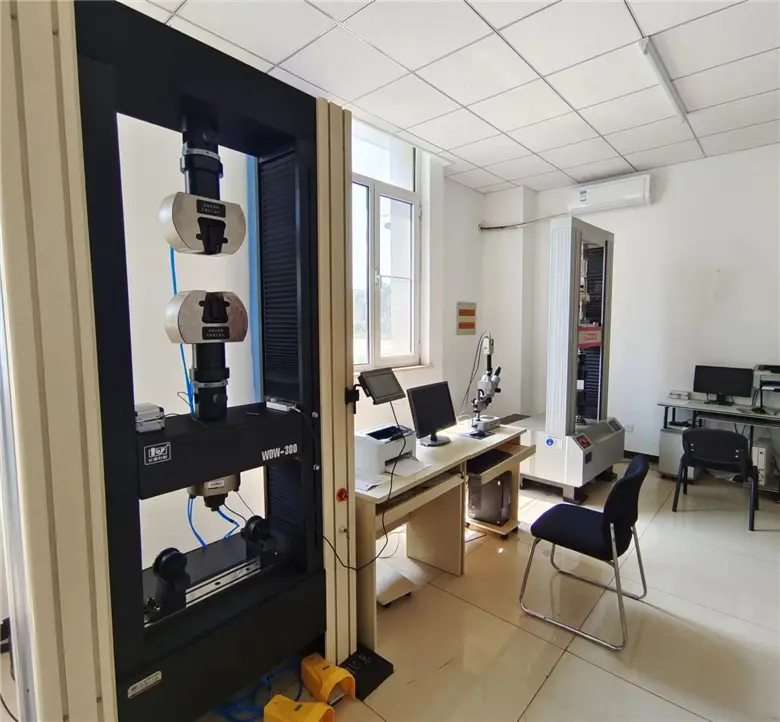
Raw material purity directly determines the mechanical performance of the final machined part. Recycled resins and impure feedstocks lower the molecular density of the polymer, leading to premature cracking under load. Tianjin Beyond Technology Development Co., Ltd. implements a strict QC protocol:
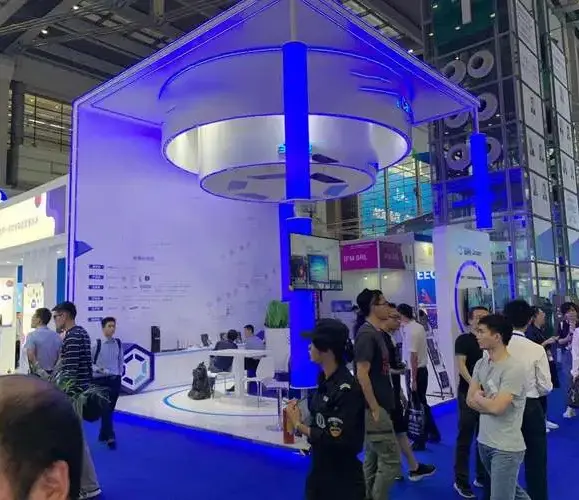
Navigating international regulatory frameworks and optimizing localized engineering support.
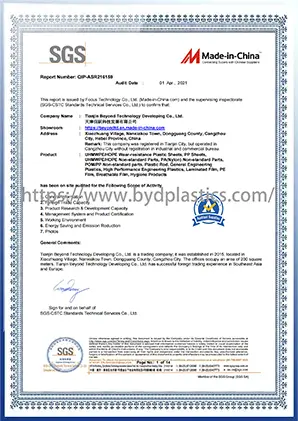
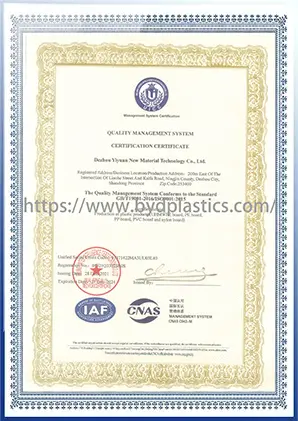
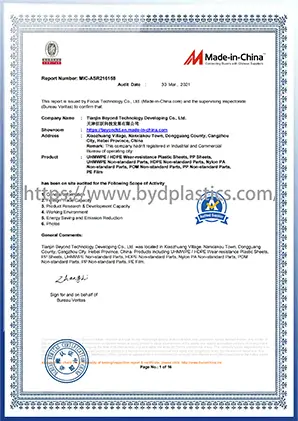
For multinational corporations, procurement of engineering plastics extends beyond price per kilogram. It requires strict adherence to regulatory frameworks and target-market certifications. We help partners navigate these requirements through:
Additionally, our logistics departments coordinate localized door-to-door delivery with flexible shipping arrangements (FOB, CIF, DDP). This ensures consistent supply chain integration for manufacturing and distribution facilities worldwide.
Aligning polymer engineering with environmental stewardship and the circular economy.
The industrial polymer sector is evolving to meet both performance demands and environmental standards. Global enterprises are focusing on sustainable supply chains, which has accelerated two key developments:
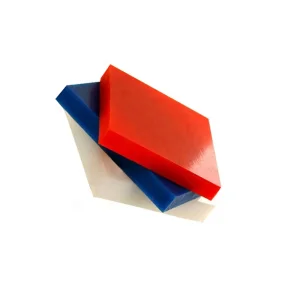
By blending high-purity recycled polymers with virgin resins under controlled conditions, BEYOND manufactures eco-friendly composite sheets. These sheets maintain 80–90% of the mechanical strength of virgin resins while reducing carbon footprint and material costs for non-critical structural components.
Industries are actively replacing heavy cast metals with lightweight polymers. Replacing carbon steel, bronze, and copper with PA6, POM, or UHMWPE reduces equipment weight by up to 80%. This reduction minimizes energy consumption, eliminates the need for external grease or lubricants, and increases overall equipment lifespan.
Explore our highly durable, specialty polymer materials for heavy machinery and civil engineering.
Direct technical answers to common queries from procurement specialists and engineering designers.
The primary difference lies in the molecular chain length, which determines impact energy dissipation and wear performance. UHMWPE (PE1000) features a molecular weight exceeding 3 million g/mol, providing exceptional dry sliding friction characteristics and superior abrasion resistance against abrasive materials like coal, gravel, or sand. HDPE (PE300/PE500) has shorter chains, making it more rigid, easier to weld, and highly suitable for structural components, chemical storage tanks, or playground surfaces where absolute abrasion resistance is not the primary design driver.
Cast Nylon PA6 provides critical vibration damping and noise reductions that metallic gears cannot duplicate. It is self-lubricating, preventing galling or seize-ups even under dry running conditions. Additionally, its lower density reduces the inertia of rotating parts, lowering power requirements for drive motors, while its elasticity helps absorb shock loads without catastrophic failure.
High-performance plastics expand and contract significantly more than steels. At the BEYOND facility, we manage this through precise climate control in our CNC machining centers, specialized cutting speeds to prevent localized melting, and custom tool profiles to minimize residual stress. We recommend a general design tolerance allowance of ±0.1mm for POM, though we can achieve up to ±0.05mm depending on the part geometry and environmental stabilization steps.
Yes. Our custom commercial cutting boards and specific virgin raw material sheets conform fully to FDA requirements for sanitary food handling. We supply clean material safety sheets and certificate documentation to trace the raw polymer back to its source, ensuring it is free of restricted additives or heavy metals.
Every shipment from Tianjin Beyond is traceable. We offer physical material test reports (MTRs) and Certificate of Analysis (COA) sheets, which detail density, molecular weight, tensile strength, and impact tests. We also accommodate third-party pre-shipment inspections from agencies like SGS, Intertek, or Bureau Veritas to verify that material properties match the engineering drawings.
 Beyond