High-grade polymer products custom-molded, extruded, and precision-machined by Tianjin Beyond Technology Development Co., Ltd.
Engineering and technical insights into why polymer perforated screens are replacing traditional metal substrates in critical industrial sectors.
In heavy engineering, industrial filtration, waste management, and chemical processing, materials are constantly subjected to aggressive corrosion, mechanical abrasive wear, and structural fatigue. Traditional steel, stainless steel, and aluminum perforated sheets have long served as the baseline components for filtration, sizing, and protective barriers. However, these metal configurations present severe operational vulnerabilities, including rust propagation, scale build-up, excessive weight, and susceptibility to chemical attack.
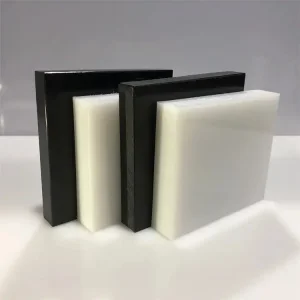
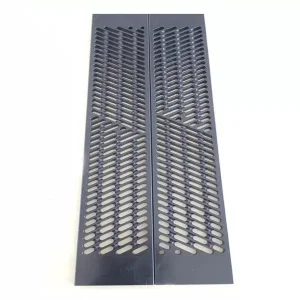
Enter Перфорированный Пластиковый Лист (Perforated Plastic Sheets) constructed from premium engineering polymers. Engineered utilizing high-grade formulations of Ultra-High-Molecular-Weight Polyethylene (UHMWPE), High-Density Polyethylene (HDPE), Polypropylene (PP), and Polyvinyl Chloride (PVC), these specialized sheets offer structural advantages that metallic alternatives simply cannot match. With high strength-to-weight ratios, self-lubrication, zero moisture absorption, and comprehensive chemical inertness, perforated plastic sheets are redefining processing efficiency, cutting down-time, and significantly extending the service life of industrial machinery globally.
The open-area ratio is a critical parameter in filtration and fluid dynamics. By using high-precision CNC engraving and punch layouts, polymer sheets maintain dimensional integrity without suffering from the work-hardening stresses or microscopic cracking that often limit the life of punched metal sheets.
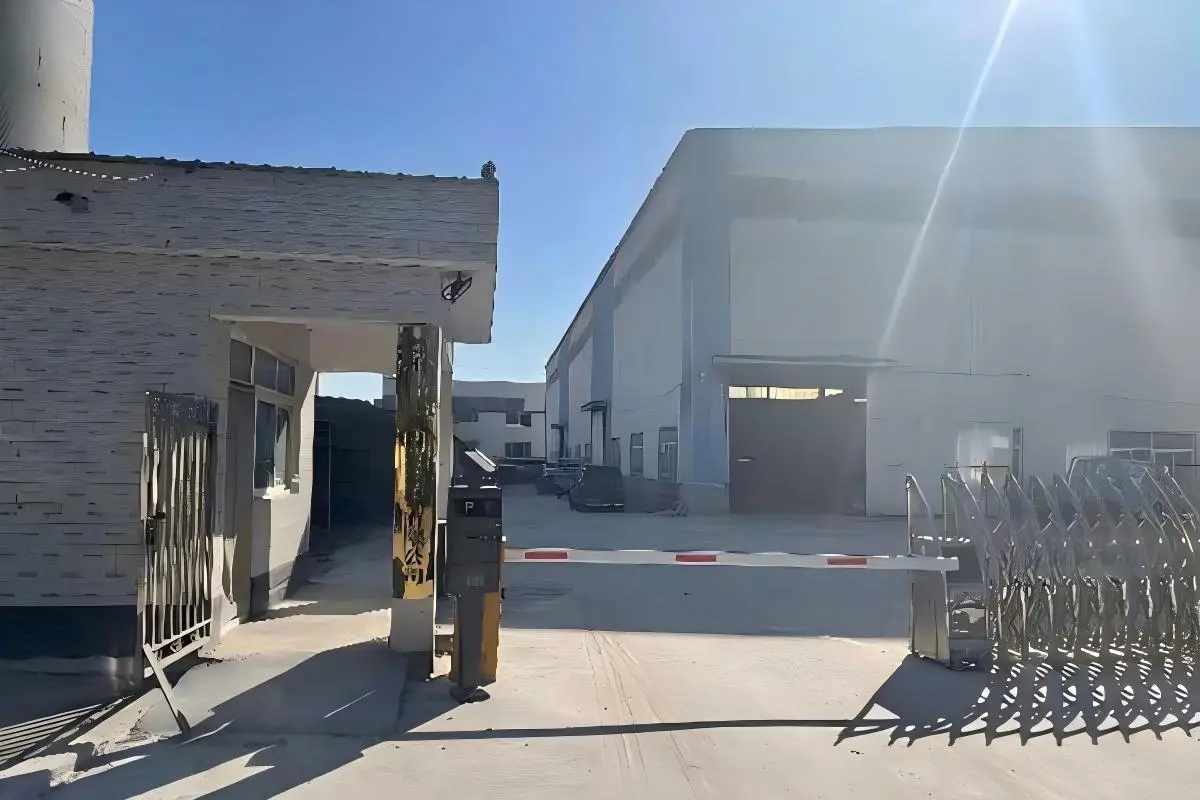
Established in 2015, Tianjin Beyond Technology Development Co., Ltd. has developed over ten years of deep practical experience in the engineering plastics manufacturing and precision CNC machining sectors. We specialize in building reliable, heavy-duty processing systems that turn raw polymer formulations into finished, high-performance parts.
Operating from our massive 50,000 square meter integrated production base, we oversee compression molding lines, specialized extrusion facilities, and high-precision CNC machining centers. This enables us to maintain absolute quality control over our entire supply chain—from high-density blending to final custom perforations.
Analyzing the shift toward light-weight, corrosion-resistant polymers in high-wear screening and mechanical separation.
Across the global supply chain, industrial operators are searching for pathways to lower their Total Cost of Ownership (TCO) and maximize asset lifecycle. The substitution of traditional metal alloys with optimized thermoplastic sheets is a proven method for realizing these efficiency goals. Perforated plastic sheets are lightweight, reducing energy consumption during shipping and installation, and significantly lowering the load on motor-driven vibrating screen decks.
Vibrating screens equipped with perforated UHMWPE panels withstand severe impact from falling rock, coal, and aggregates. The natural flexibility of the polymer dampens noise levels and reduces the surface blinding caused by clay or wet fines.
Corrosive vapors, concentrated acids, and alkaline solutions degrade stainless steel quickly. Perforated Polypropylene (PP) and PVC panels deliver long-term structural stability in plating barrels, chemical scrubber systems, and etching machinery.
Wastewater municipal plants utilize large perforated HDPE screens to extract organic debris, microplastics, and coarse gravel. The polymer surface resists bio-fouling and chemical cleaning agents, maintaining consistent flow rates.
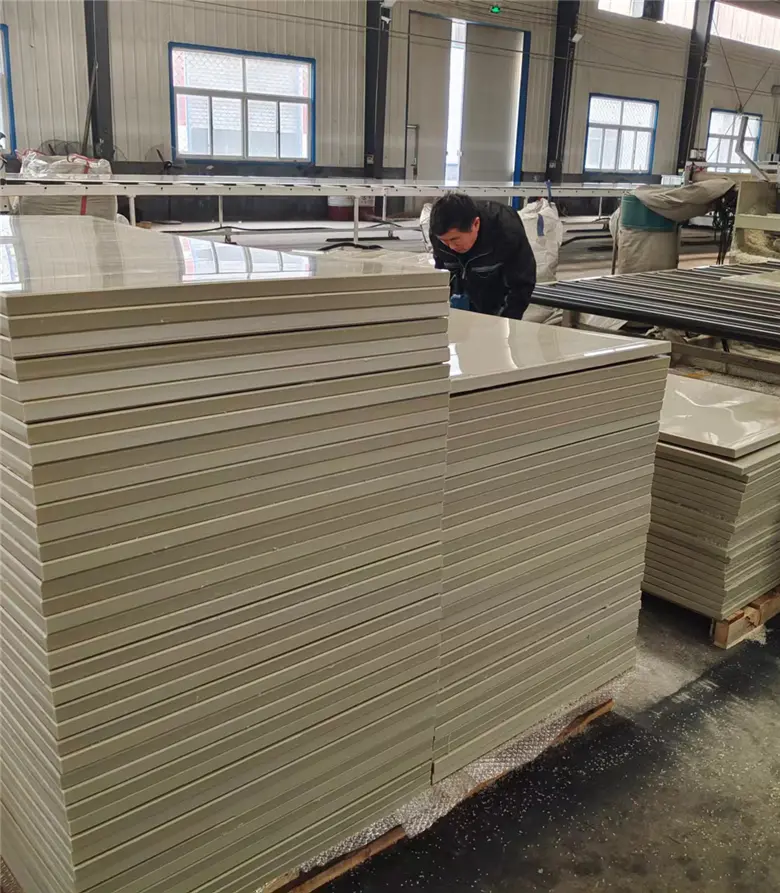
High-performance engineering plastics require precise polymer formulation. At Tianjin Beyond Technology Development Co., Ltd., we inspect and test all incoming raw materials to ensure they meet our technical standards.
We partner with global chemical producers, including TICONA (Celanese), LG Chem, and Sinopec. By sourcing high-molecular-weight raw material powders, we ensure that our UHMWPE (PE1000) sheets maintain their physical properties after processing, avoiding the degradation of chain lengths that can occur with low-grade recyclables.
A comparative overview of mechanical properties to guide appropriate material selection for custom perforated profiles.
| Property Parameter | UHMWPE (PE1000) | HDPE (PE300) | Polypropylene (PP) | Polyvinyl Chloride (PVC) |
|---|---|---|---|---|
| Molecular Weight (g/mol) | 3.0 to 9.2 Million | Approx. 300,000 | N/A (Isotactic copolymer) | N/A (Amorphous) |
| Density (g/cm³) | 0.93 - 0.94 | 0.95 - 0.96 | 0.90 - 0.91 | 1.38 - 1.45 |
| Water Absorption (%) | < 0.01% | < 0.01% | < 0.03% | < 0.1% |
| Operating Temp Range (°C) | -260 to +80 | -50 to +80 | 0 to +100 | 0 to +60 |
| Abrasion Wear Resistance | Excellent (Highest) | Good | Moderate | Fair |
| Tensile Strength (MPa) | > 22 | > 25 | > 30 | > 45 |
| Key Industrial Application | Chute Liners & Mining Screens | Ground Protection Mats | Chemical Tanks & Acid Trays | Corrosive Ducts & Electrical |
Tailored drilling, routing, and punch matrices configured to precise engineering tolerances.
We process diverse hole shapes including circular patterns (60° staggered, 45° diagonal, 90° straight grid), square slots, slotted screen patterns, and customized hexagonal profiles designed to optimize flow mechanics.
Our large-scale gantry CNC routers and multi-axis engraving machines maintain tight dimensional tolerances (±0.1mm) on custom sheets, ensuring flush mounting and secure alignments.
We calculate the optimal balance between open filtration area and sheet tensile strength to prevent buckling, warping, or tearing under continuous pressure.
Beyond Technology meets international testing requirements. We support global logistics operations, providing seaworthy packaging, custom clearance support, and export documentation for ports throughout North America, Europe, Australia, and Southeast Asia.
How specialized industrial operations deploy customized perforated plastic sheets to resolve application-specific challenges.
Perforated UHMWPE marine panels allow water to drain during high-tides while maintaining impact resistance against docking hulls. The UV-stabilized polymer resists salt water degradation and bio-fouling.
FDA-compliant, perforated PP and HDPE boards are used as sorting panels and dewatering trays in direct-contact lines, supporting clean processing and chemical sanitation.
Perforated PVC packing support plates retain tower fillings while allowing high volumes of gas and chemical wash to pass through, resisting structural deformation under continuous use.
Where materials science meets custom manufacturing: and how we adapt to changing global requirements.
Industrial standards are demanding materials with higher durability and reduced environmental impact. Our R&D engineers focus on three core areas to meet these shifting specifications:
By incorporating carbon nanotubes and customized organic fillers into the extrusion melt, we can modify the antistatic properties of UHMWPE and HDPE sheets. This makes them suitable for dust-sensitive mining applications and processing environments with risk of dust explosions.
Our plant supports initiatives to reduce carbon emissions by processing clean, high-grade recycled polymers. These materials are processed to match the mechanical standards of virgin resins, assisting global operators in achieving their sustainability targets.
We are scaling up micro-perforated solutions, targeting hole diameters below 0.5mm. This enables fine-particle screening in paper pulp processing and pharmaceutical applications, avoiding the high cost and weight of stainless steel mesh.
Detailed engineering answers regarding chemical performance, hole geometries, and manufacturing tolerances.
The primary advantages are density, chemical resistance, noise damping, and wear resistance. Thermoplastics like UHMWPE and HDPE are much lighter than stainless steel, which reduces structural loads and energy consumption in processing systems. Unlike steel, they are completely corrosion-resistant and self-lubricating, helping to prevent material build-up and screen blinding.
The open area percentage depends on the hole diameter (d) and pitch distance (p). For a standard 60-degree staggered round hole pattern, the formula is:
Open Area % = (d² * 90.69) / p²
Our engineering team uses this formula to ensure the perforated panel meets flow requirements while retaining the necessary mechanical strength for the application.
Yes, when fabricated from virgin, food-grade HDPE or Polypropylene (PP). We source FDA-compliant raw materials to ensure our products meet sanitary standards, making them suitable for sorting, washing, and draining stages in food processing.
With our heavy-duty CNC gantry machining systems, we can process plastic sheets up to 200mm in thickness. Hole layout parameters, including diameter and spacing, are adjusted based on thickness to maintain structural integrity.
Thermoplastics expand and contract with temperature changes more than metals. For high-temperature systems, we select materials like Polypropylene (up to 100°C) and machine expansion slots or custom clearances to accommodate movement during thermal cycles.
High-performance custom thermoplastic products manufactured to rigorous industrial standards.
 Beyond