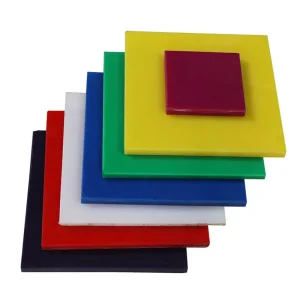
Explore our industrial range of high-durability sheets, rods, and custom CNC components designed for extreme environments.
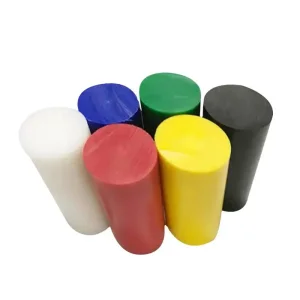
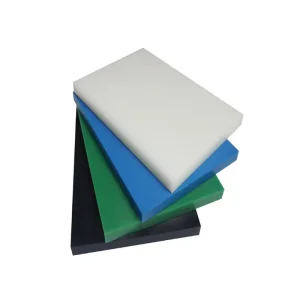
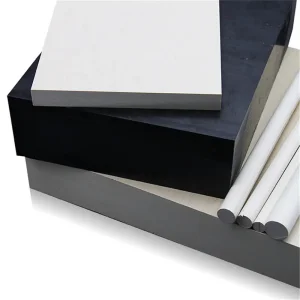
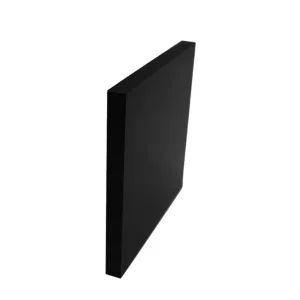
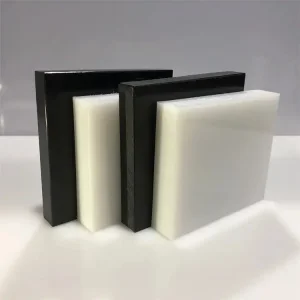
Tianjin Beyond Technology Development Co., Ltd. stands as a premier comprehensive manufacturing enterprise specializing in engineering plastic materials and precision CNC machining. Established in 2015, the company has integrated state-of-the-art material synthesis and advanced precision control to deliver application-oriented, resilient products for demanding industrial environments worldwide.
Spanning an expansive 50,000 square meters production base, our facilities feature fully integrated compression molding and extrusion lines alongside advanced gantry CNC lathes, gantry CNC milling machines, and heavy-duty CNC engraving systems. This technical infrastructure allows us to maintain consistent material density, minimize thermal stress, and achieve micro-level tolerances across large-volume custom structural parts.
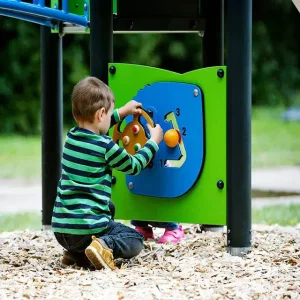
We serve as a trusted partner for global supply chains, optimizing structural designs for UHMWPE (PE1000/PE500), HDPE (PE300), PP, PVC, and other engineering plastics. Our solutions reduce component weight, replace traditional steel/aluminum systems, lower maintenance costs, and extend operational lifespans across key industries including mining, maritime infrastructure, chemical processing, material handling, and playground manufacturing.
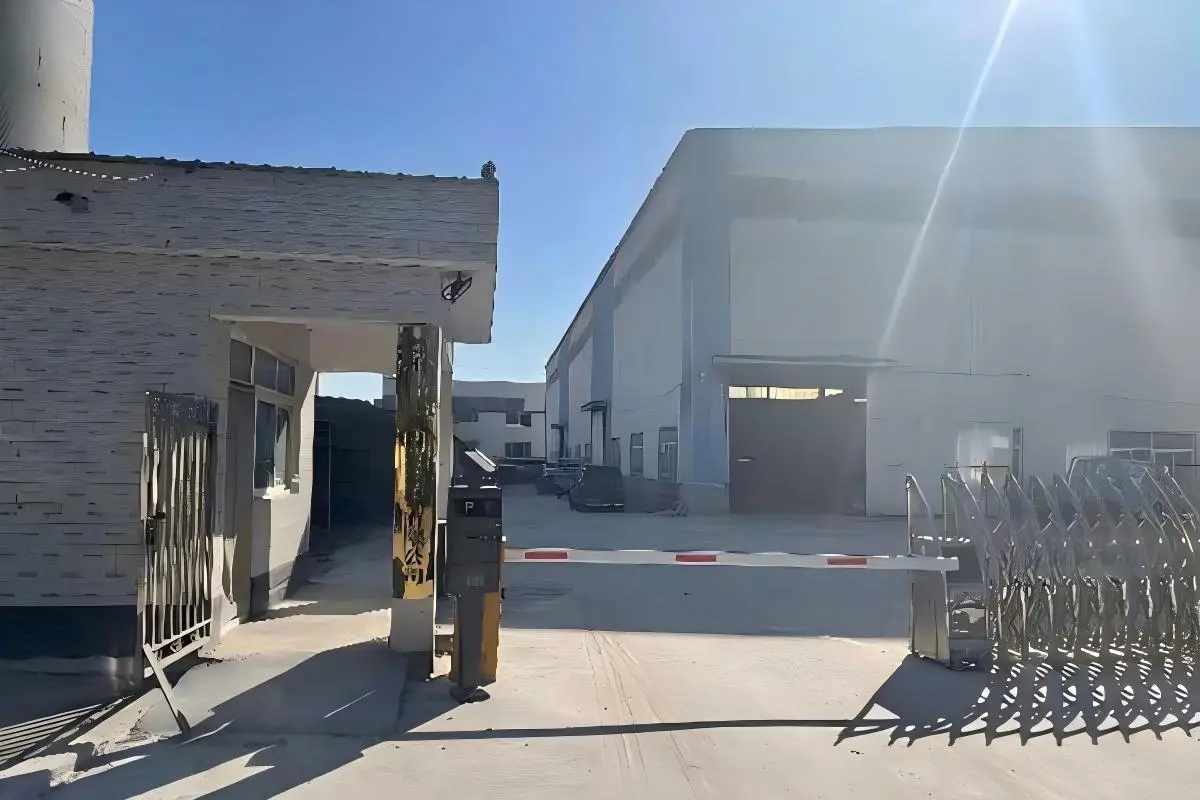
High-Density Polyethylene (HDPE/PE300) and Ultra-High-Molecular-Weight Polyethylene (UHMWPE/PE1000) represent the cornerstone of modern engineering thermoplastics. When specifying materials for harsh environments, understanding the structural differences between these polymers is critical for performance longevity.
| Physical Property | HDPE (PE300) | UHMWPE (PE1000) | Primary Engineering Impact |
|---|---|---|---|
| Molecular Weight (Average) | approx. 300,000 g/mol | 4.5 to 9.2 Million g/mol | Determines wear, impact, and chemical resistance bounds |
| Abrasion Wear Index | Moderate (100-120 relative) | Exceptional (15-30 relative, sand slurry test) | Lower values indicate high resistance to abrasive slurries |
| Impact Strength (Izod) | No Break (with notch sensitivity) | No Break (highly energy dissipative) | Resists cracking under heavy dynamic loads at low temperatures |
| Coefficient of Friction | 0.15 - 0.20 (Static) | 0.08 - 0.12 (Self-lubricating) | Minimizes mechanical wear and slide resistance in conveyors |
| UV Degradation Resistance | High (when carbon black/UV additives added) | High (requires specialized HALS stabilizers) | Determines lifespan of panels in outdoor environments |
While HDPE provides excellent structural rigidity, easy weldability (via PE welding rods), and superior chemical storage parameters, UHMWPE excels in sliding wear scenarios, heavy impact zones, and low-temperature applications where standard plastics turn brittle. Tianjin Beyond offers custom compounding for both lines, integrating anti-static agents, flame retardants, and multi-layer structural configurations.
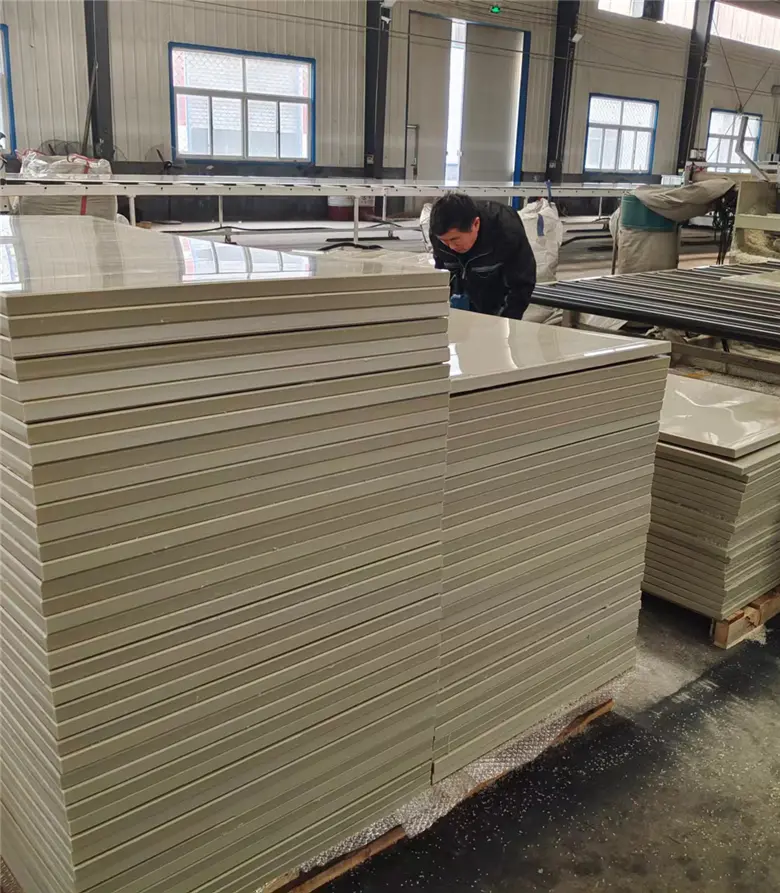
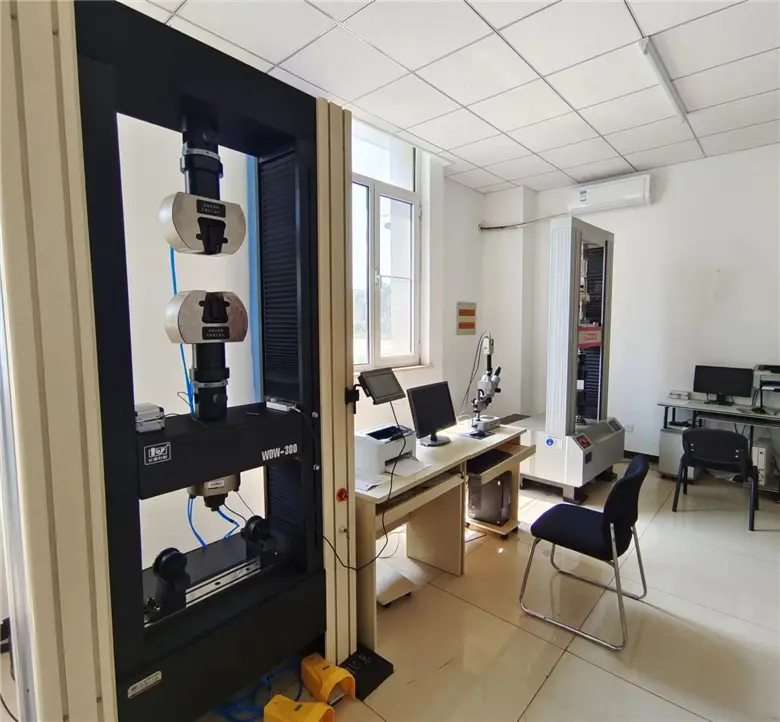
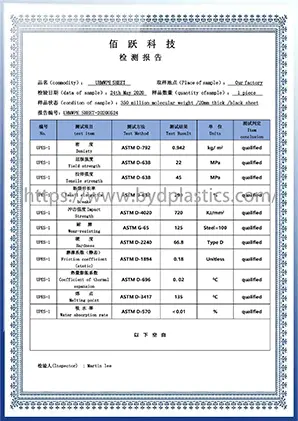
Premium engineering products begin with high-quality raw materials. Tianjin Beyond maintains strategic raw material sourcing relationships with global petrochemical leaders including TICONA, LG, and Sinopec. From incoming raw polymers to final CNC component validation, each batch undergoes strict testing against ASTM and ISO benchmarks.
Additionally, within our wider corporate framework, our sister-entity, Ya'an Times Biotech Co., Ltd. (located in the high-altitude regions of Sichuan, where clean, varied topography supports purity validation), champions natural plant extraction, cosmetic oils, and food-grade raw materials like camellia and eucalyptus oils. Adhering to the same strict analytical control processes, our group guarantees trace-level cleanliness and ISO compliance for both bio-materials and engineering polymers.
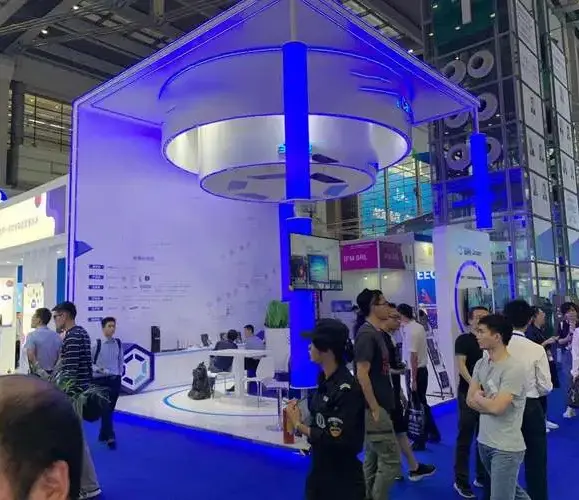
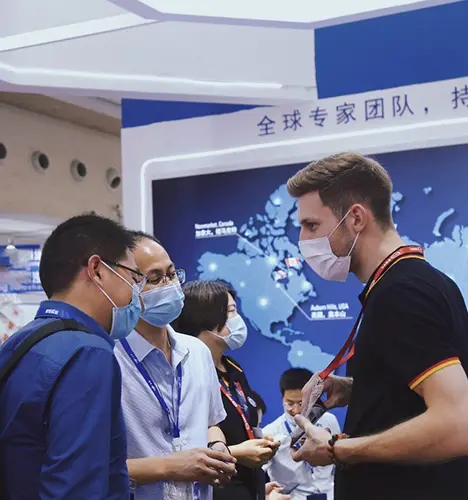
Tianjin Beyond serves multi-national buyers across North America, South America, Europe, Southeast Asia, and the Middle East. Through optimization of raw material sourcing and logistics control, we guarantee short lead times for high-volume requirements.
Our strategic manufacturing base near Tianjin Port allows us to facilitate fast export clearance, reducing global freight costs. Whether you are sourcing raw sheets for distribution, or ready-to-install CNC machined parts, we offer complete OEM/ODM support, custom packaging, and door-to-door logistics management.
Optimizing industrial supply chains with structured reliability, premium materials, and certified consistency.
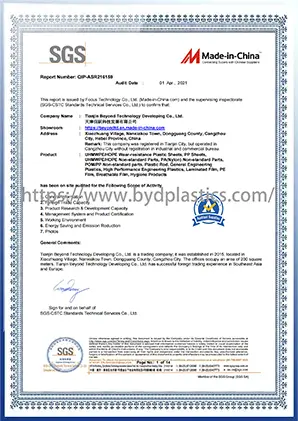
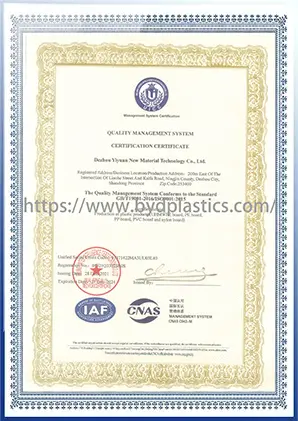
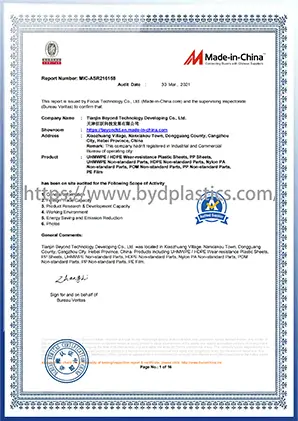
Our operations conform to ISO 9001, SGS, and BV international systems, ensuring raw material traceability and design validation.
Engineered to deliver high wear resistance, heavy impact absorption, self-lubrication, and flame-retardant safety characteristics.
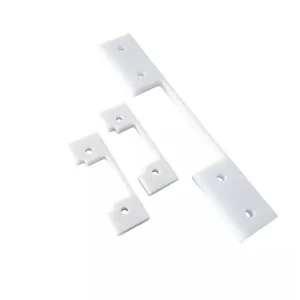
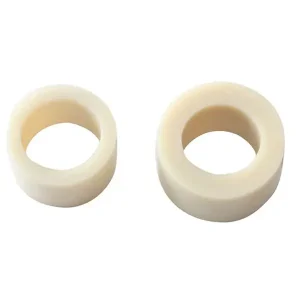
We convert engineering sheets into custom components (bushings, gears, scraper blades, wear strips) with tight dimensional control.
From raw material design and trial mold extrusion to final dimensional inspection and logistics control, we handle the entire process.
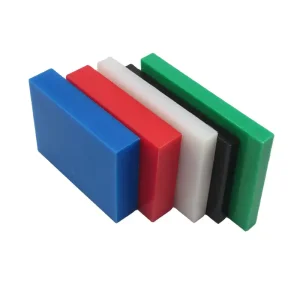
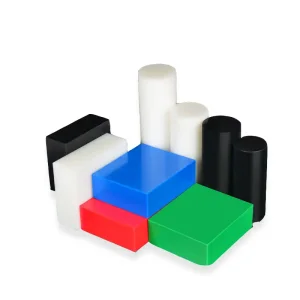
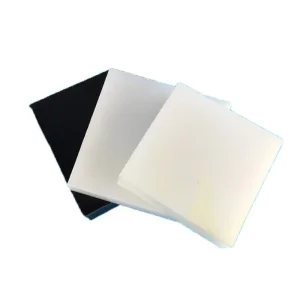
We maintain deep stocks of standard-sized HDPE sheets (4x8 ft) and UHMWPE boards in various colors to meet rapid deployment schedules.
Over a decade of exporting engineered polymers to leading global firms ensures seamless handling of international trade compliance.
Our raw materials are thoroughly tested and comply with FDA, RoHS, and REACH criteria, rendering them safe for food contact and sensitive environmental projects.
How engineering departments leverage our materials to optimize performance and prevent downtime.
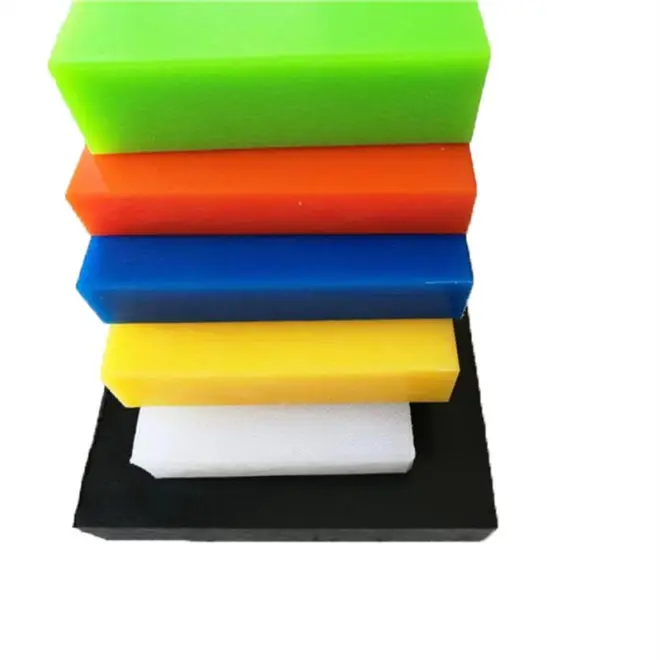
Our Wear-resistance 1220*2440mm Black UHMWPE sheets are installed in coal bunkers, chutes, and hopper systems, resolving material hang-up and wear problems.
View Product Line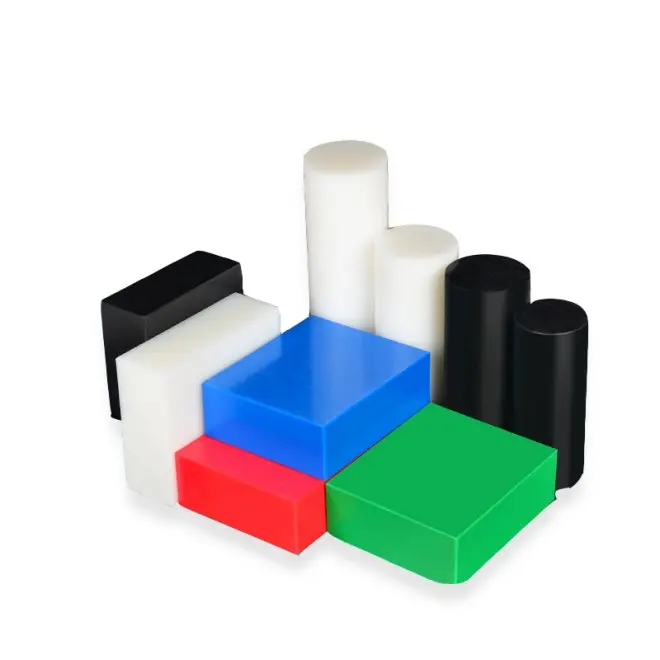
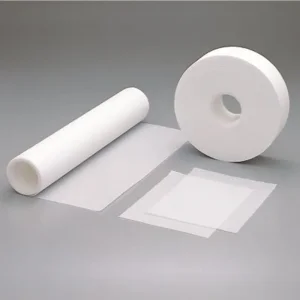
Our PE1000 plastic sheets function as raw stock for high-precision components, including chain guides, wear strips, and dynamic mechanical parts.
View Product Line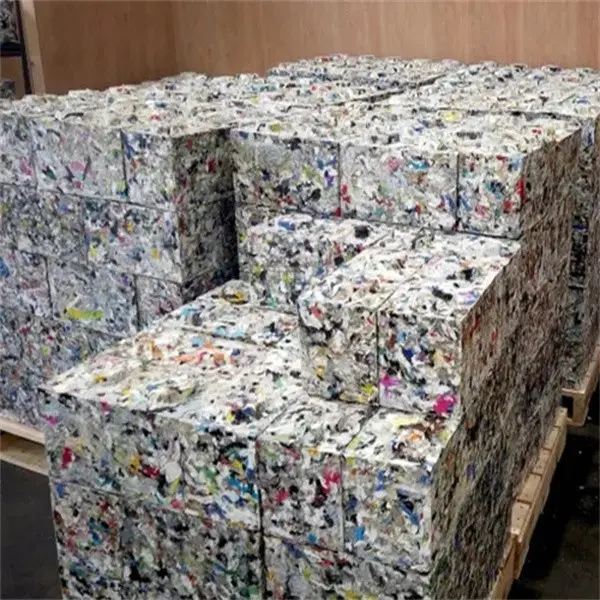
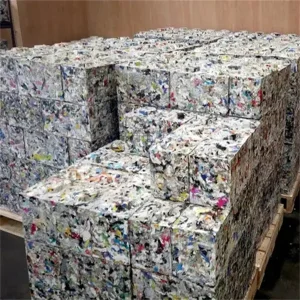
Our Recycled Color Eco-friendly Mixed HDPE UHMWPE sheets offer a sustainable alternative, minimizing carbon footprints in non-critical wear structures.
View Product Line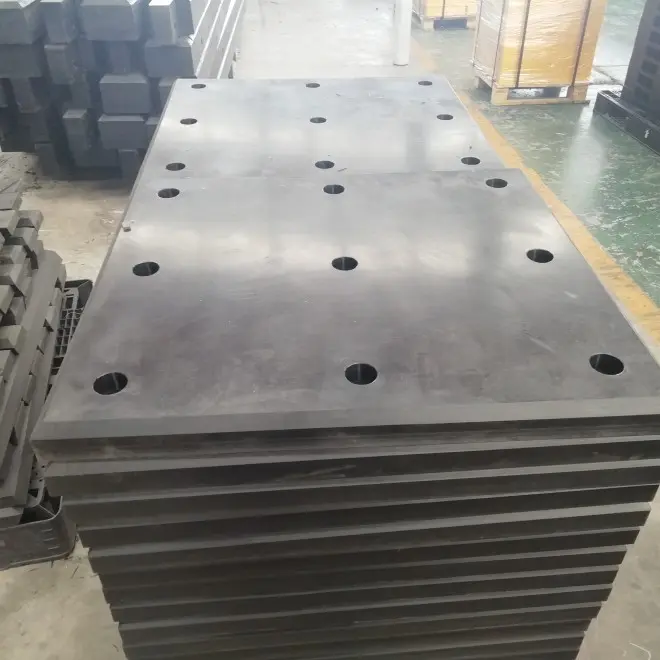
Replacing bronze, steel, and aluminum components with UHMW-PE 1000 sheets minimizes weight and noise while eliminating the need for external grease.
View Product Line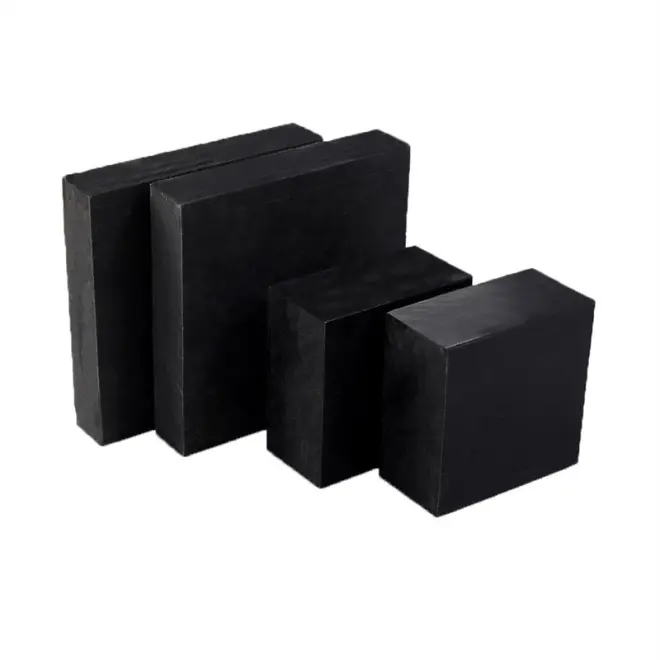
Our heavy-duty polyethylene blocks comply with food-contact requirements, delivering sanitary, knife-friendly, and moisture-resistant cutting boards.
View Product Line
Leveraging CAD/CAM design workflows, we produce structural parts to tight tolerances, ensuring seamless integration into mechanical systems.
View Product LineTechnical guidance for design engineers and purchasing managers evaluating engineering thermoplastics.
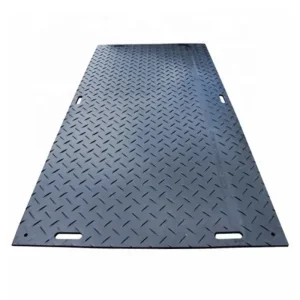
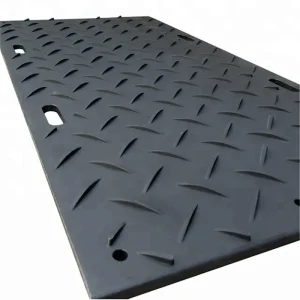
Procure directly from Tianjin Beyond. Browse our core range of heavy-equipment ground protection mats, wear plates, and custom machined items.
 Beyond