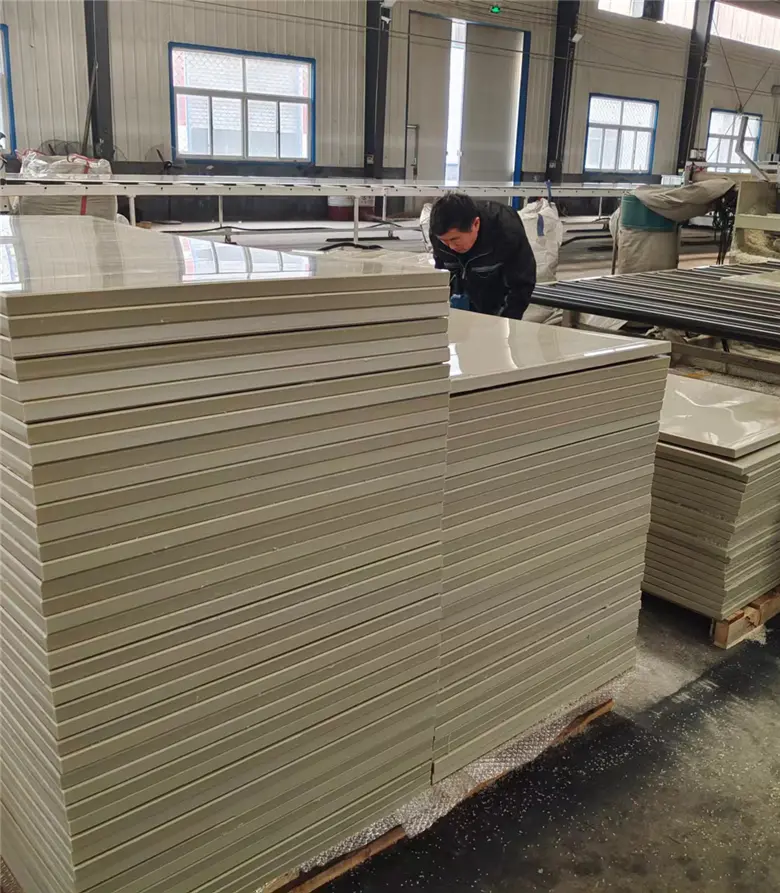
Explore our industrial-grade marine fender panels and high molecular weight wear-resistant sheets engineered to withstand extreme maritime environments.
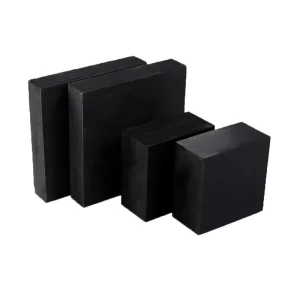
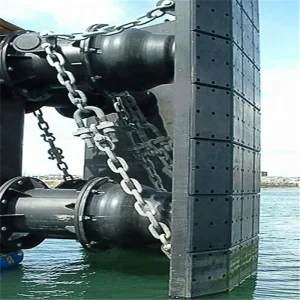
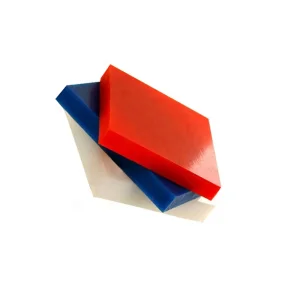
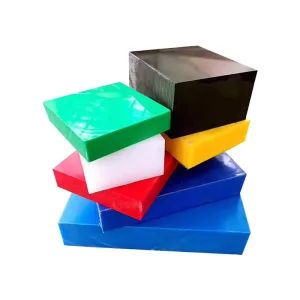
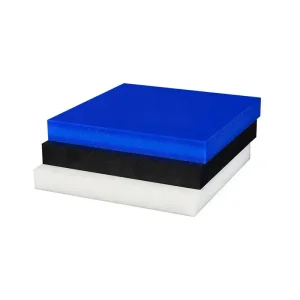
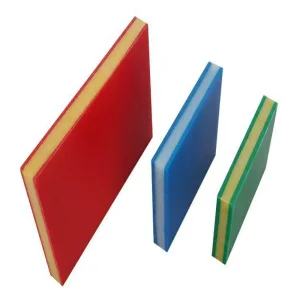
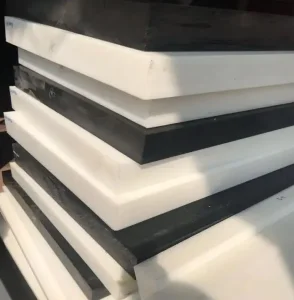
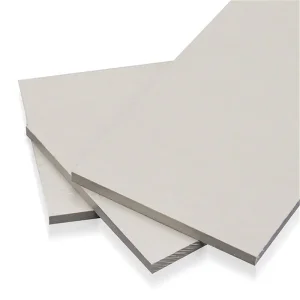
An in-depth analysis of structural integrity requirements for high-tonnage berthing infrastructures.
Modern maritime commerce demands scaling up vessel sizes. As ultra-large container ships (ULCS), Post-Panamax bulk carriers, and massive LNG tankers dock at ports worldwide, the kinetic energy transferred during berthing has escalated exponentially. Standard elastomeric rubber fenders alone cannot sustain these massive forces without facing severe surface wear, tear, and excessive shear stress. This is where UHMWPE (Ultra-High-Molecular-Weight Polyethylene) Marine Fender Facing Pads play a critical role in the system.
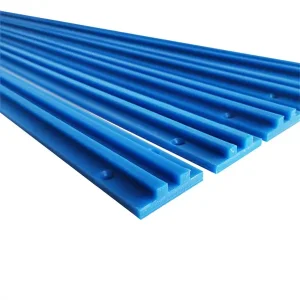
Functioning as the sacrificial yet highly durable sliding surface of steel fender panels, UHMWPE minimizes the friction between the ship's hull and the dock infrastructure. Without the extremely low coefficient of friction offered by UHMWPE, the steel panels would grind against hulls, causing catastrophic damage to both vessels and structural dock piles. As a result, global engineering authorities now mandate UHMWPE facing pads for all new deep-water container terminals, bulk terminals, and high-velocity tidal lock designs.
Minimizes sliding friction down to ≤ 0.15, protecting both the ship's hull coating and the main fender assembly from excessive shear loads.
Absorbs high kinetic energy during docking maneuvers, ensuring structural preservation without plastic deformation or cracking.
100% waterproof, saltwater resistant, UV stabilized, and active in temperatures ranging from sub-zero Arctic zones to tropical climates.
The transition from commodity plastics to ultra-high-molecular engineering polymers.
The marine fender industry has seen a paradigm shift over the past two decades. Early fender protection designs relied heavily on tropical hardwoods (greenheart, jarrah) or basic low-density elastomers. These systems degraded rapidly due to marine borers, rot, and high friction coefficients. The introduction of first-generation engineering plastics brought improvements, but modern mega-ports required significantly higher durability.
Today, the focus is on the integration of PE1000 grade UHMWPE, which boasts a molecular weight exceeding 4.5 to 9.2 million grams per mole. Modern advancements have introduced polymer alloys and composite blends featuring:
• UV-C Resistant Multi-Stabilizer Packages: Additives designed to slow down the photo-oxidative degradation of polymer chains under constant solar exposure.
• Carbon Nanotube & Glass-Filled Matrices: Formulations that enhance mechanical load capacity and reduce thermal contraction in arctic environments.
• Recycled & Circular Hybrid Materials: High-performance mixed polymer sheets that maintain up to 85% of virgin polymer strength, lowering carbon footprints for eco-conscious port authorities.
| Material Parameter | Timber (Traditional) | High-Density PE (PE300) | UHMWPE (PE1000 Virgin) | UHMWPE (Double-Alloyed) |
|---|---|---|---|---|
| Molecular Weight (g/mol) | N/A (Cellulose Matrix) | ~300,000 | 4.5 Million to 9.2 Million | > 9.2 Million (Composite) |
| Coefficient of Sliding Friction | 0.40 - 0.50 | 0.25 - 0.30 | 0.12 - 0.15 | 0.08 - 0.11 |
| Sand-Slurry Wear Resistance | Poor (High Erosion) | 100 (Standard) | 350 (Superior) | 450+ (Extreme Wear) |
| Water Absorption Rate | > 25% (Swelling) | < 0.01% | Negligible (0.0%) | 0.0% |
| Service Lifespan (Years) | 2 - 5 Years | 5 - 8 Years | 15 - 20 Years | 25+ Years |
A guide for maritime engineers, project managers, and sourcing officers.
Procuring UHMWPE marine fender components requires strict compliance with international testing and material verification frameworks. Project managers cannot afford product failures that lead to structural dock damage or ship collisions. Sourcing departments focus on the following key metrics during factory inspections:
1. ASTM D4020 Compliance: Verification of the intrinsic viscosity of the polymer. This ensures that the supplied material is indeed ultra-high molecular weight polyethylene, rather than low-density PE masquerading as PE1000.
2. Izod Double-Notched Impact Strength: Evaluated under ASTM F2231 / ISO 11542-2. Marine applications require energy absorption values > 90 kJ/m² at cold temperatures (-20°C) to prevent brittle fracturing under impact.
3. UV and Thermal Degradation Safeguards: Under ASTM G154, test specimens must undergo accelerated weathering tests to confirm that carbon black or specialized hindered amine light stabilizers (HALS) are distributed uniformly throughout the material.
4. Precise CNC Machining and Custom Drilling Styles: Dock installation demands counterbored holes, beveled edges (to prevent vessels from catching on the edges of the pads), and dimensional tolerances within ±0.5mm. Precision milling ensures that fender facing pads fit securely onto their steel backing plates.
How our advanced industrial facilities guarantee high precision and rapid delivery.
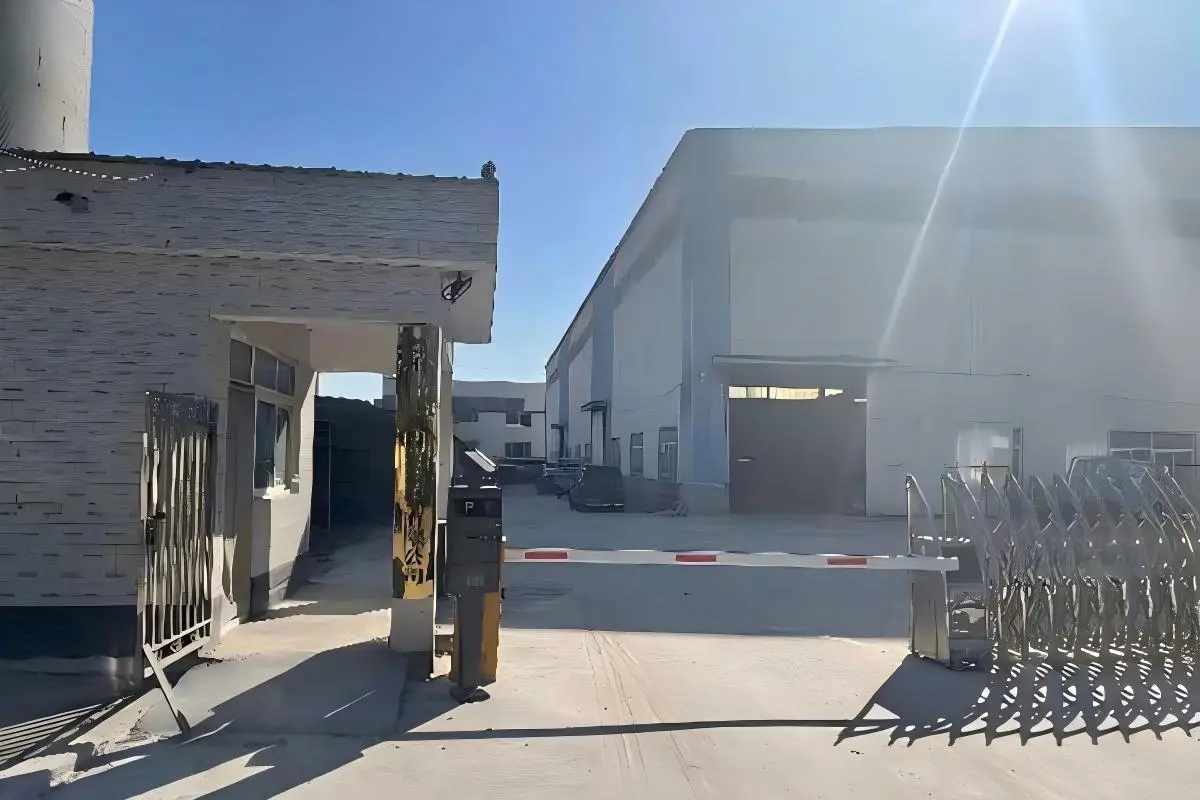
Tianjin Beyond Technology Development Co., Ltd. is a comprehensive manufacturing enterprise specializing in engineering plastic materials and precision CNC machining. Since 2015, the company has gained more than ten years of practical experience in engineering plastics manufacturing and precision CNC machining, building strong and reliable capabilities in material processing, precision control, and industrial production.
Our manufacturing base spans approximately 50,000 square meters and integrates compression molding and extrusion workshops, precision CNC machining centers, and a dedicated R&D facility. Outfitted with advanced international equipment—including compression molding and extrusion lines, gantry CNC lathes, gantry CNC milling machines, and large-scale CNC engraving systems—this integrated setup allows the company to ensure consistent quality, maintain efficient production, and deliver high-precision, large-volume, and customized products that meet the highest industrial standards.
BEYOND is a verified purchaser of high-quality raw materials from global giants like TICONA (Celanese), LG, and Sinopec. This ensures that every sheet produced meets strict molecular weight criteria, providing reliable protection in demanding maritime projects.
Premium raw materials and testing protocols to ensure absolute reliability.
From raw materials entering our facility to finished machined components, we carry out strict quality inspection and monitoring in accordance with the ISO 9001 system. Every batch undergoes thickness, flatness, and density checks, followed by random stress tests and COA (Certificate of Analysis) generation.
Our CNC workshops use gantry milling machinery capable of working on oversized sheets (up to 2500mm x 6000mm). This capability ensures we can produce complex, pre-drilled, and beveled marine fender facing pads in large quantities while maintaining high precision.
We supply engineering plastic solutions to infrastructure projects, shipyards, and commercial docks in North America, Europe, Southeast Asia, and the Middle East. Our logistics chain ensures secure packaging to prevent warping and damage during long-distance shipping.
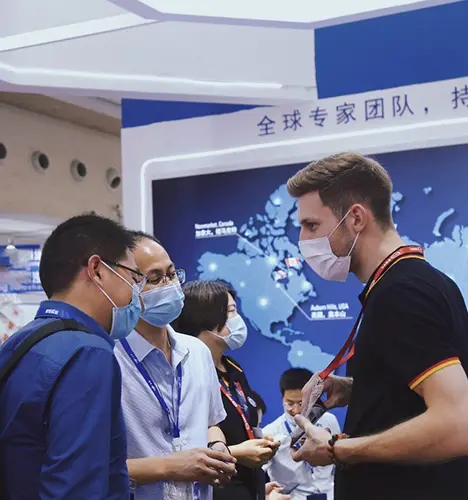
Beyond is committed to environmental sustainability. We offer mixed-grade HDPE and recycled UHMWPE options designed for lower-impact dock locations, helping port authorities meet green construction initiatives without sacrificing durability.

We understand that premium products come from high-quality raw materials. Similar to how specific climates produce high-quality botanical oils, our engineering plastics rely on strictly controlled polymer chains and advanced additives to deliver consistent wear and impact resistance.
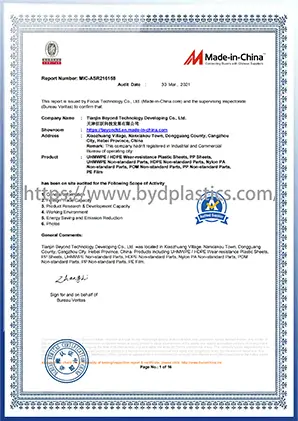
BEYOND products are fully certified under international maritime and quality standards.
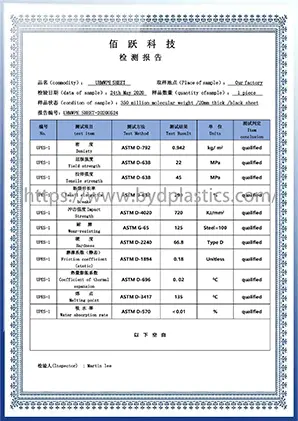
ISO 9001:2015 Certification
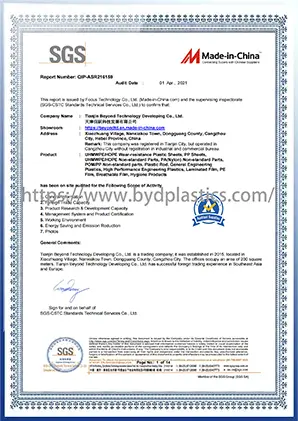
SGS Wear-Resistance Report
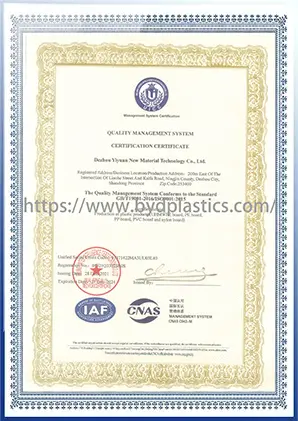
Bureau Veritas Inspection
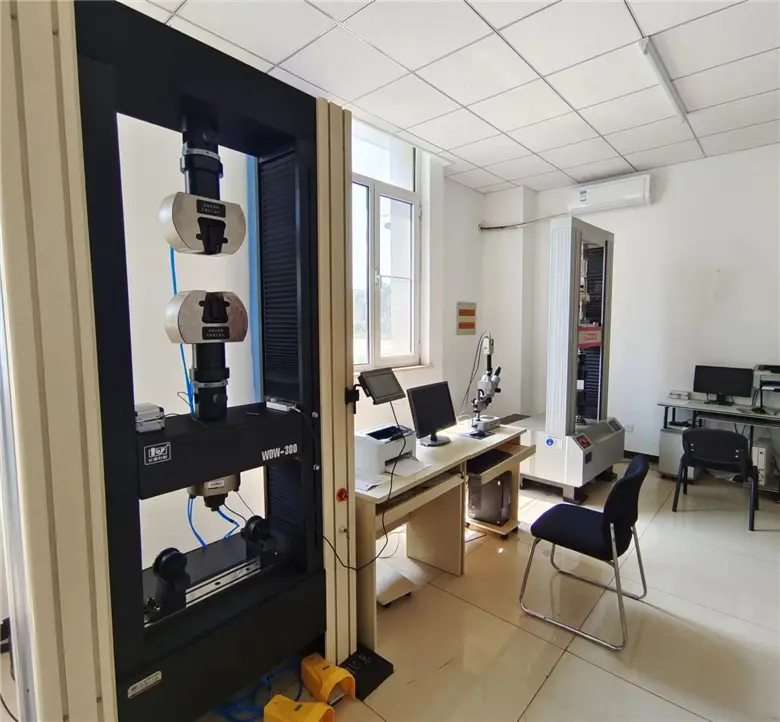
Internal Laboratory Testing
"We have an independent laboratory and R&D team, and we have experienced material engineers, technical engineers, production engineers, and engineering plastics experts. Beyond has established long-term collaborations with plastic institutions on engineering plastics research and development to maintain our product performance advantages."
Specific use cases detailing the deployment of UHMWPE face pads.
Used on the main protective shields of cone and cell rubber fender assemblies. In container terminals with fast vessel turnarounds, the face pads withstand continuous vertical and horizontal friction from mooring lines and tidal shifts, reducing the wear rate on steel structures.
Lock gates require vertical sliding guide strips to prevent steel-on-concrete contact. UHMWPE strips with customized wear monitoring indicators are mounted along the vertical tracks of lock gates, providing long-term lubrication and resistance to sediment abrasion.
Tugboats and pilot vessels experience repeated impacts and slide against larger ship hulls. Custom-molded, curved UHMWPE profiles are bolted to the bow and sides of the boat, protecting the vessel's hull and preventing damage to the target ship.
When installing UHMWPE marine fender pads, the method of securing the pads to the steel backing plate is critical. Countersunk or counterbored bolt designs are standard, where the stainless steel fixing studs are recessed below the wear surface of the UHMWPE sheet by at least 15-20mm. This recess depth ensures that even after years of sliding wear, the vessel hulls will not make contact with the metal fasteners, avoiding hull damage and spark hazards.
Expert answers to common procurement, design, and performance questions.
UHMWPE provides a lower coefficient of friction (≤ 0.15) and has zero water absorption, preventing swelling and rot. Compared to polyurethane, it has higher abrasion resistance and does not degrade in saltwater or under UV exposure. These properties reduce the friction-induced shear load on the primary rubber fender body, extending the lifespan of the dock fendering system.
The primary difference is molecular weight. PE1000 has a molecular weight range of 4.5 to 9 million g/mol, offering high impact strength, low temperatures resistance, and abrasion resistance. PE500 (molecular weight ~500,000 g/mol) is a lighter-duty plastic. For commercial cargo terminals, PE1000 is typically specified, while PE500 is used in smaller marinas, inland canals, and lighter berthing setups.
We source raw materials from verified global producers like Celanese (TICONA), LG Chem, and Sinopec. Every incoming batch of polymer powder undergoes laboratory viscosity testing. Our compression molding process uses controlled temperature and pressure cycles (exceeding 200 bars) to fuse the polymer without thermal degradation, maintaining the long molecular chains that provide its impact resistance.
Yes. Our CNC workshop uses gantry milling machines and CAD/CAM software to pre-drill countersunk holes, bevel perimeter edges, and cut custom slot designs based on your engineering drawings. Pre-drilled panels arrive at the job site ready for direct bolt-on installation, reducing labor costs during dock maintenance.
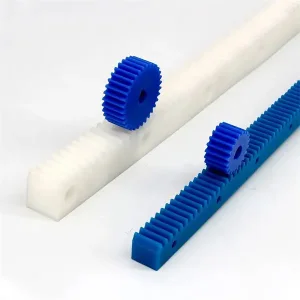
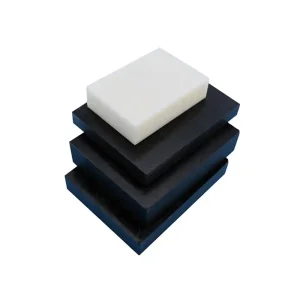
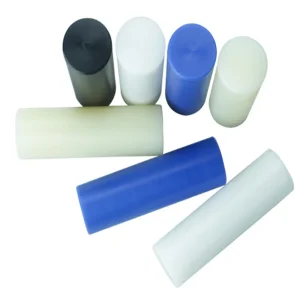
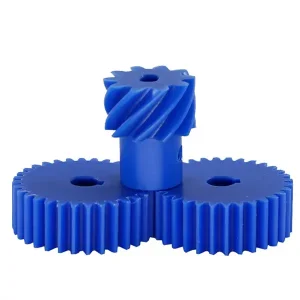
From heavy-duty PA6 nylon components to POM sheets, we support a wide range of industrial applications.
 Beyond