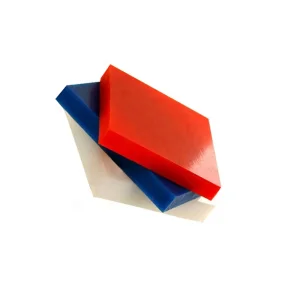
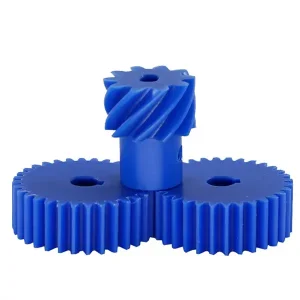
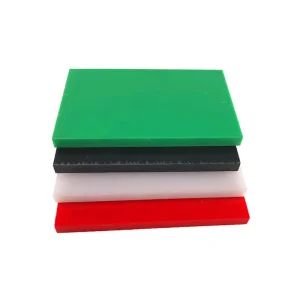
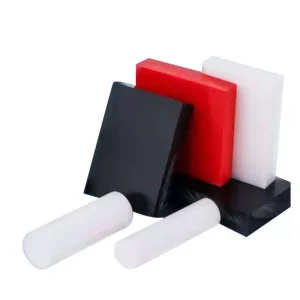
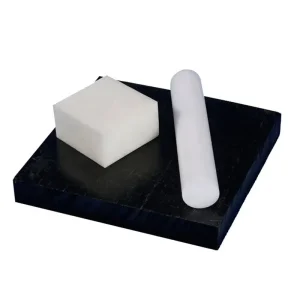
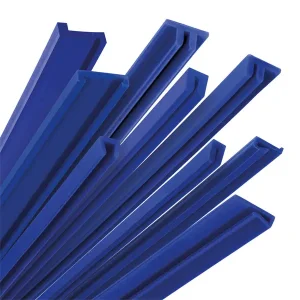
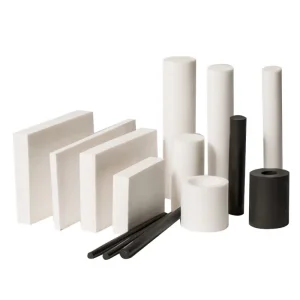
Explore our core selection of high-wear resistant engineering plastics, manufactured under rigorous quality control standards.
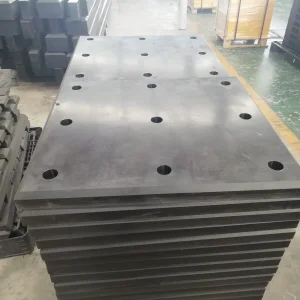
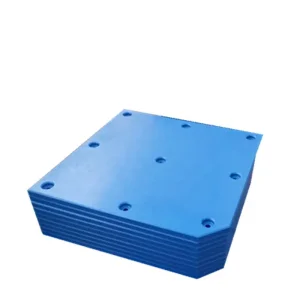
In modern heavy industries, mechanical components are continuously subjected to extreme friction, high loads, corrosive atmospheres, and elevated temperatures. Traditional metals, such as bronze, iron, and steel, while strong, present challenges including excessive weight, requirements for constant external lubrication, and susceptibility to sudden structural failure. This is where Mc901 Nylon (Monomer Cast Blue Nylon) has emerged as a critical engineering solution. Characterized by its distinctive deep blue color, MC901 is an anionic-polymerized cast polyamide modified with specialized heat stabilizers, providing enhanced performance compared to standard extruded PA6 and PA66 polymers.
Unlike extruded polyamides that are processed through mechanical melting and extrusion of pre-polymerized pellets, MC901 is manufactured via anionic polymerization of caprolactam directly inside molds. This casting methodology allows the polymer chains to crystallize in a slow, controlled manner, resulting in a highly uniform crystalline structure with a crystallinity rate typically exceeding 50% (compared to 35% for extruded nylons).
The addition of a proprietary copper-based or organic thermal stabilizer during the polymerization process alters the molecular lattice. It enhances the thermal oxidation threshold, allowing MC901 to sustain continuous operation at elevated temperatures without losing structural integrity. This refined molecular morphology translates to:
From an industrial procurement standpoint, sourcing MC901 Nylon is driven by the mandate of Total Cost of Ownership (TCO) reduction. Procurement officers in multinational companies analyze wear parts not just by initial purchase cost, but by the operational downtime associated with component replacement. MC901 satisfies this economic metric through several avenues:
Lubrication elimination: With built-in self-lubricating properties, MC901 reduces or eliminates the need for grease in dry running applications. This is critical in clean manufacturing environments such as food packaging, pharmaceutical plants, and high-precision assembly lines where lubricants could cause contamination.
Weight Reductions: With a density of approximately 1.15 g/cm³, MC901 is about one-seventh the weight of steel and one-eighth the weight of bronze. Lower component mass reduces the rotational inertia of gears and sheaves, saving electrical power and allowing for higher speed capabilities in automated systems.
A technical cross-comparison of MC901 Nylon against standard engineering polymers under heavy-wear scenarios.
| Property Matrix | MC901 Cast Nylon | Standard PA6 (Cast) | POM-C (Polyacetal) | UHMW-PE (1000) |
|---|---|---|---|---|
| Color | Deep Blue | Off-White / Yellowish | White / Black | White / Black / Custom Colors |
| Density (g/cm³) | 1.15 | 1.15 | 1.41 | 0.93 - 0.95 |
| Tensile Strength (MPa) | 85 | 75 | 65 | 22 |
| Continuous Temp Range (°C) | -40 to +120 | -40 to +100 | -50 to +100 | -150 to +80 |
| Coefficient of Friction | 0.30 - 0.35 | 0.35 - 0.42 | 0.25 - 0.32 | 0.12 - 0.20 |
| Impact Resistance | High | Medium-High | Medium | Extremely High |
Across major industry sectors, MC901 is deployed as a solution for specific engineering challenges:
In telescopic crane booms, the sliding movements of the boom sections require wear pads that can handle high surface pressures without deformation. Standard materials can wear out rapidly, leading to micro-vibrations and structural instability. OEM MC901 wear pads provide the compressive strength required to bear these heavy loads while maintaining a smooth sliding coefficient, preventing stick-slip behavior during boom extension.
In hot rolling mills, slipper blocks inside universal joints operate under high torque, heat, and moisture. Traditional bronze blocks wear out quickly and require continuous manual lubrication. MC901 slipper blocks handle the high shock loads, tolerate cooling water spray, and reduce the wear rate on the mating steel shafts, prolonging the life of the entire drive shaft assembly.
Submerged in seawater or exposed to salt spray, typical metal bushings seize up due to galvanic corrosion. MC901 bushings, propeller shaft bearings, and winch sheaves resist electrochemical oxidation. The polymer structure does not experience corrosion-induced binding, ensuring marine equipment operates reliably in rough offshore conditions.
As a leading supplier of cast and extruded engineering polymers, Tianjin Beyond Technology Development Co., Ltd. operates a comprehensive manufacturing base spanning 50,000 square meters. Our integrated facility is designed to support custom industrial demands from material formulation to high-precision CNC machining.
We work closely with global chemical companies, sourcing polymer inputs from suppliers like TICONA, LG, and Sinopec. This raw material quality, paired with our processing lines, enables us to manufacture polymers with minimal internal stress. Our manufacturing capability includes:
At Tianjin Beyond, we utilize a quality control framework in line with ISO9001, SGS, and BV certifications. From raw material receipt to finished part shipping, every production batch is logged and tested. Certificates of Analysis (COA) are provided for finished products, verifying density, hardness, and dimensional accuracy to ensure parts perform reliably in demanding field conditions.
Leveraging professional polymer engineering to deliver reliable wear-part solutions globally.
Advanced anionic polymerization prevents internal voids and cracks, ensuring consistent mechanical strength throughout the sheet or rod core.
Using multi-axis machining lathes, we maintain tolerances within ±0.05mm for complex gears, guides, and customized components.
All manufactured materials meet international standards, supporting integration into projects across North America, Europe, and Asia.
The field of tribology is constantly evolving, driving new advancements in the formulation of Cast Polyamides:
Future materials are being designed to incorporate nano-fillers, such as graphene and carbon nanotubes, directly into the monomer casting process. This dispersion of nano-reinforcements targets higher stiffness and heat resistance without compromising impact properties. Research suggests this technology could extend the continuous working temperature of modified cast nylons up to 140°C.
In response to global sustainability goals, chemical engineers are developing cast polyamides utilizing monomer raw materials derived from renewable agricultural sources, such as castor oil derivatives. These bio-based formulations aim to match the mechanical performance of fossil-derived nylon while reducing the product's overall carbon footprint, addressing both environmental goals and regulatory standards.
Common questions regarding material selection, machining processes, and application specifications for MC901 Nylon.
MC901 is formulated via monomer casting (MC) and modified with a specialized heat stabilizer, resulting in a higher crystalline structure than standard PA6. This modification provides improved wear resistance, higher dimensional stability, higher tensile strength, and a higher continuous working temperature (up to 120°C compared to 100°C for standard cast nylon).
Like all polyamides, MC901 absorbs moisture from its surrounding environment, which can affect its dimensions and impact strength. However, due to its higher crystalline density, the rate of water absorption is lower than that of extruded PA6. When designing parts for humid or submerged applications, engineers should calculate tolerances to account for small dimensional changes.
Yes. MC901 is commonly used to replace bronze, steel, and brass in bushings, wear plates, and sliding bearings. It offers key benefits such as self-lubricating performance, reduced component weight (approximately 1/7th the weight of steel), dampening of vibration, and protection of mating metal shafts from wear.
Machining MC901 requires sharp cutting tools with high clearance angles to prevent friction-induced heat buildup, which can lead to melting or warping. The use of flood coolants or air cooling is recommended during drilling and milling operations. Annealing may also be required to relieve internal stresses before machining complex components with tight tolerances.
Explore our diverse range of engineering polymers, designed to meet demanding structural and mechanical requirements.
 Beyond