Explore our primary selection of ultra-high molecular weight polyethylene products, customized road mats, and heavy-duty liners manufactured under ISO 9001 standards.

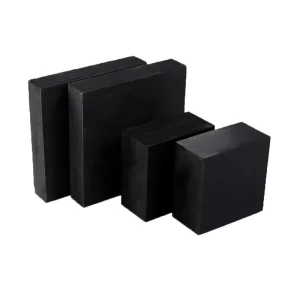
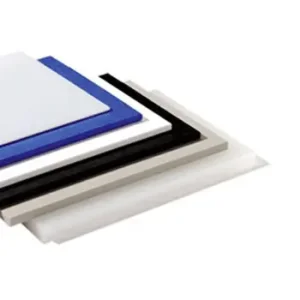
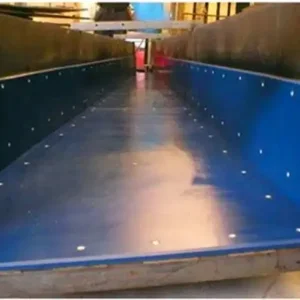
Modern maritime engineering faces a dual crisis: the necessity to support larger vessel drafts (such as Post-Panamax and Triple-E container ships) and the mandate to drastically lower scope 3 carbon emissions. Traditional fendering solutions—namely timber, steel jackets, and virgin synthetic rubbers—either present high friction profiles, degrade rapidly in high-salinity zones, or pose significant carbon footprints. Into this paradigm shifts Recycled Ultra-High Molecular Weight Polyethylene (UHMW-PE). By utilizing recycled structural polymers containing a molecular weight spectrum of 4.5 to 9.2 million g/mol, specialized Chinese factories are providing next-generation dock fender pads that perform identically to, or in some configurations outperform, virgin polymer interfaces at a fraction of the environmental and financial cost.
The operational longevity of a marine fender face pad depends on its surface chemistry and mechanical properties. The coefficient of dynamic friction against raw hull steel must remain extremely low (between 0.10 and 0.18) to minimize the shear forces transferred to the pile-supported sub-structure during ship berthing. UHMWPE's long carbon chains align under dynamic load, providing a self-lubricating boundary layer. This molecular arrangement minimizes wear rate (typically measured under sand-slurry testing standards such as ISO 15527), ensuring the panel retains its structural integrity for up to 25 years under continuous tidal scraping.
Tianjin Beyond Technology Development Co., Ltd. incorporates optimized polymer blends that mix high-density recycled fractions with structural UV stabilizers and premium carbon black. This prevents photo-oxidation under extreme solar UV exposure, a primary cause of structural cracking and micro-fracturing in sub-tropical ports.
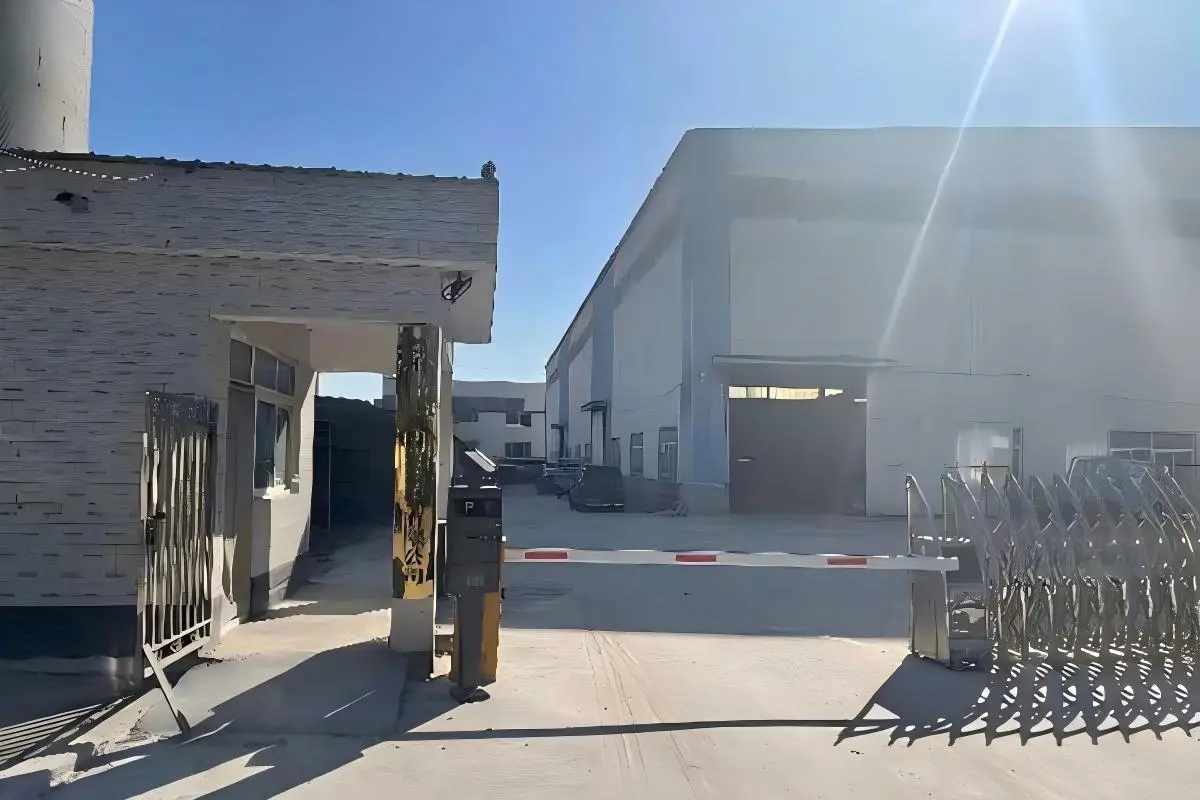
Understanding how Tianjin Beyond Technology executes high-capacity polymer manufacturing to satisfy international maritime projects.
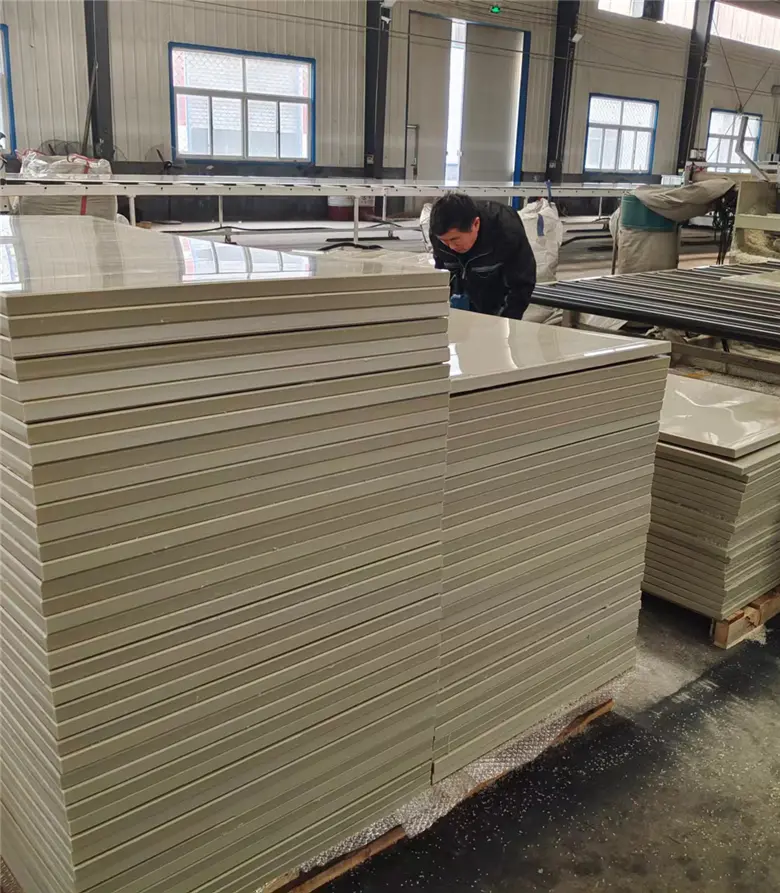
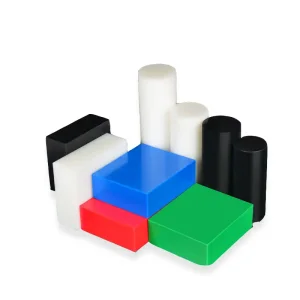
Equipped with state-of-the-art compression molding machines and heavy-duty extrusion lines. This infrastructure ensures the structural density of UHMWPE blocks remains uniform without internal voids.
Strategic partnerships with chemical giants like LG, TICONA, and Sinopec ensure access to consistent base polymers, allowing for tailored recycled formulations that do not compromise mechanical strength.
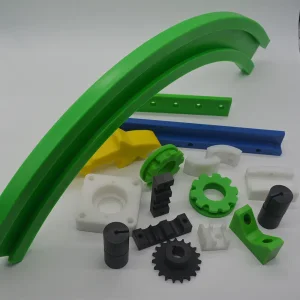
With gantry CNC milling, engraving machines, and lathes, the factory manufactures complex, non-standard elements with precise counter-bored holes, chamfered edges, and custom dimensional contours.
A common concern of port authorities and maritime design consultancies is whether recycled engineering plastics can withstand the punishing impacts of berthing vessels. When properly processed via sintered compression molding, high-grade recycled UHMWPE retains 90-95% of the mechanical properties of virgin PE-1000 while introducing a major cost reduction and lowering CO2 footprints by over 40%.
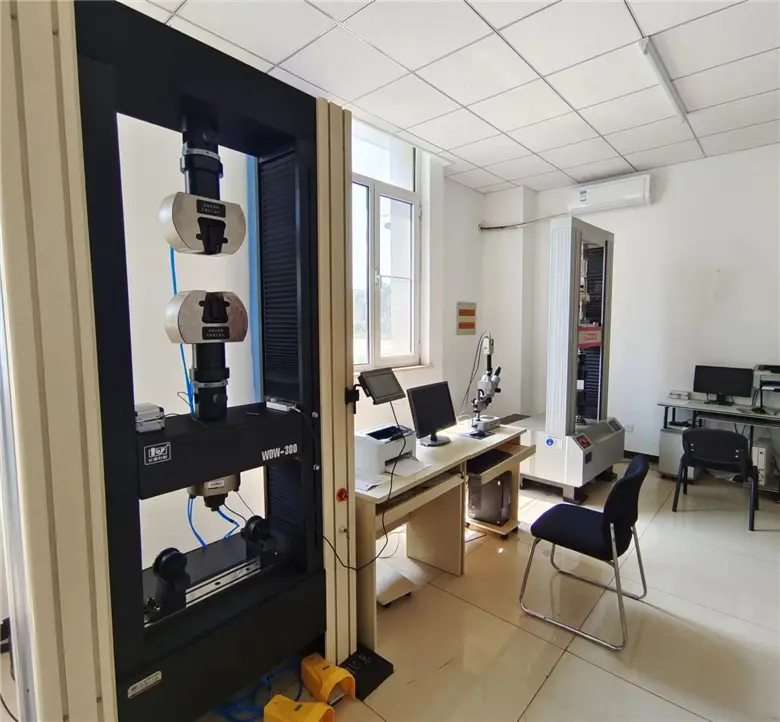
Tianjin Beyond Technology Development Co., Ltd. operates under a strict triple-tier quality assurance protocol. We manage quality from raw material ingress up to final CNC drilling of fender panels, issuing comprehensive Certificate of Analysis (COA) records with every batch shipment:
Coastal and marine project engineers cannot afford mechanical failures at berth interfaces. Standardized specifications are essential to ensure the reliable performance of fendering panels under extreme maritime environments. Sourced components must adhere to global maritime structural rules, including the PIANC Guidelines for the Design of Fenders and ASTM D4020 standards for polymer specification.
Fender face pads must exhibit predictable shear and friction parameters under compression, preventing excessive torque on steel support frames during docking maneuvers.
Ensuring the polymer formulation has a molecular weight exceeding 4.0 million g/mol, verifying that the mechanical characteristics match the requirements of heavy-duty marine service.
Assisting port engineering firms with material certifications, SGS inspection documents, and complete traceability tags to comply with local environmental standards across Europe, North America, and APAC.
Our engineering plastics are deployed globally across demanding marine applications where wood and traditional rubber fail.
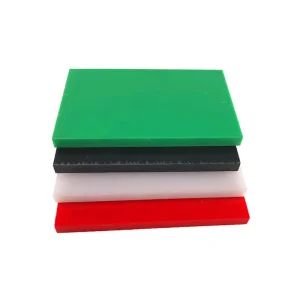
Highly abrasive conditions require continuous sliding wear resistance. Recycled UHMWPE plates function as low-friction sliders that absorb impact and slide easily against ship hulls, reducing stress on the pier foundation.
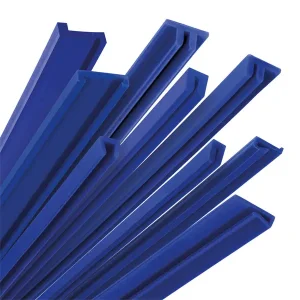
Waterways with high barge traffic require wear-resistant materials. Recycled UHMWPE strips prevent steel-on-concrete friction, protecting the canal structure while standing up to high impact and continuous wear.
Mounted directly onto rubber cone or cell fenders, our custom-machined plastic panels act as a hard-wearing shield. They extend the life of the rubber element by preventing direct hull contact and point loading.
Answering technical, regulatory, and mechanical questions about the integration of recycled engineering plastics in marine structures.
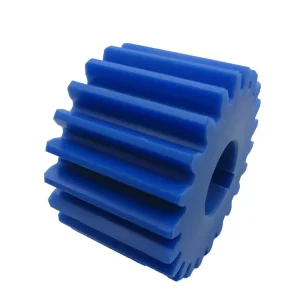
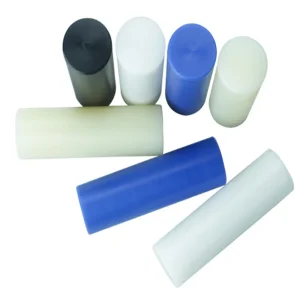
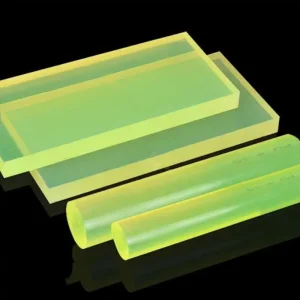
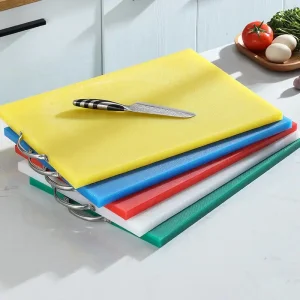
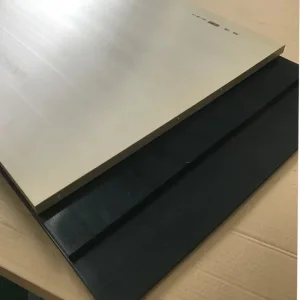
Select engineering components, gears, and structural sheets designed to support heavy marine machinery, shipping winches, and quay systems.
 Beyond