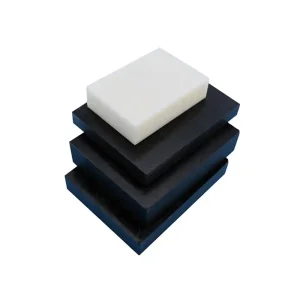
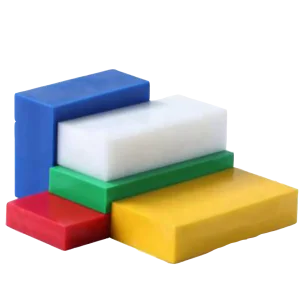
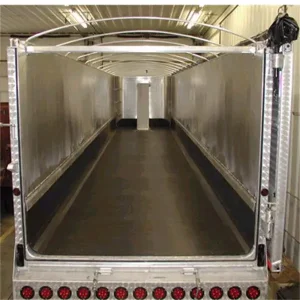
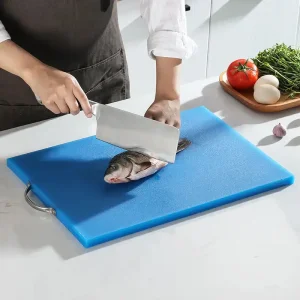
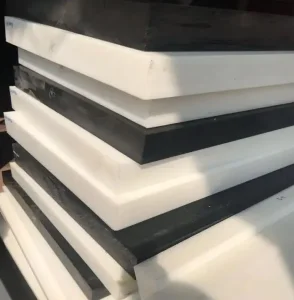
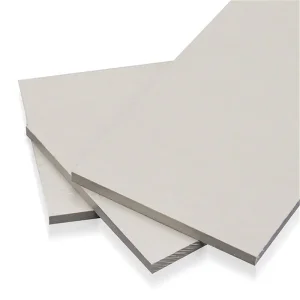
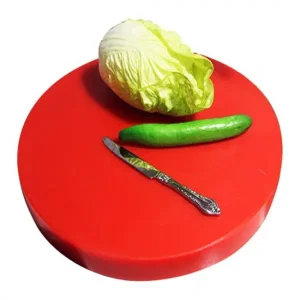
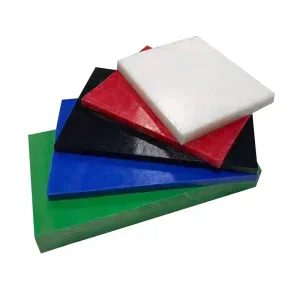
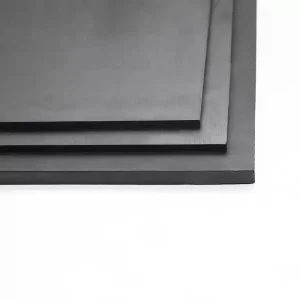
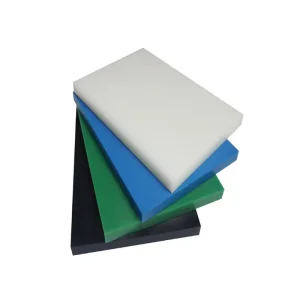
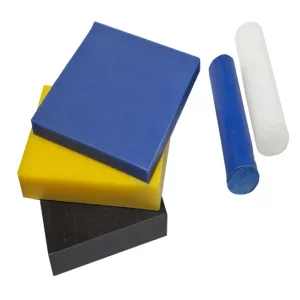
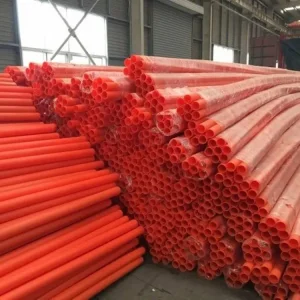
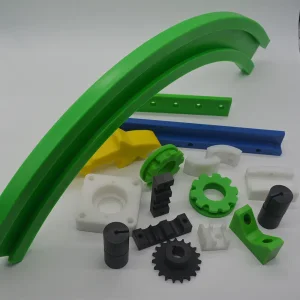
In the realm of advanced material science, the demand for wear-resistant, high-strength, and low-coefficient materials has driven the transition from metal structures to advanced engineering polymers. High Density Plastic Strips—synthesized from Ultra-High Molecular Weight Polyethylene (UHMWPE), High-Density Polyethylene (HDPE), Polypropylene (PP), and Polyoxymethylene (POM)—represent the cutting edge of this structural evolution.
Whether deployed as wear strips in automated bottling lines, guide rails in heavy-duty conveyor systems, or isolation barriers in aggressive chemical setups, these polymer extrusions outclass traditional steel and bronze counterparts. They offer exceptional impact strength, zero fluid absorption, self-lubricating qualities, and a dramatic reduction in operational noise. As global manufacturers strive to meet carbon-neutrality targets and minimize maintenance cycles, high-density plastic solutions present a significant advantage in reducing total lifecycle costs.
The demand for sustainable sourcing is fostering the integration of Post-Consumer Recycled (PCR) content with high-purity virgin resins. Mixed HDPE-UHMWPE eco-sheets represent a major leap in lowering the carbon footprint without sacrificing mechanical toughness.
Modern compounding infuses high-density polymers with carbon nanotubes, glass beads, or ceramic additives. These fillers double the wear limits, boost thermal stability, and optimize heat dispersion under continuous high-load friction.
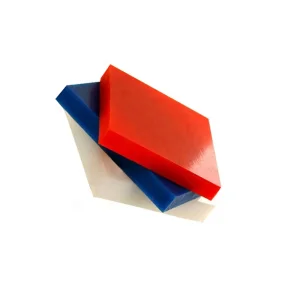
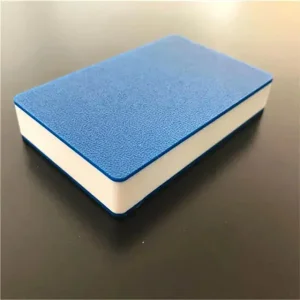
Dual-color and triple-layer sandwich co-extrusion technology enables functional customization, such as UV-protective external layers combined with high-impact cores, ideally suited for complex outdoor installations.
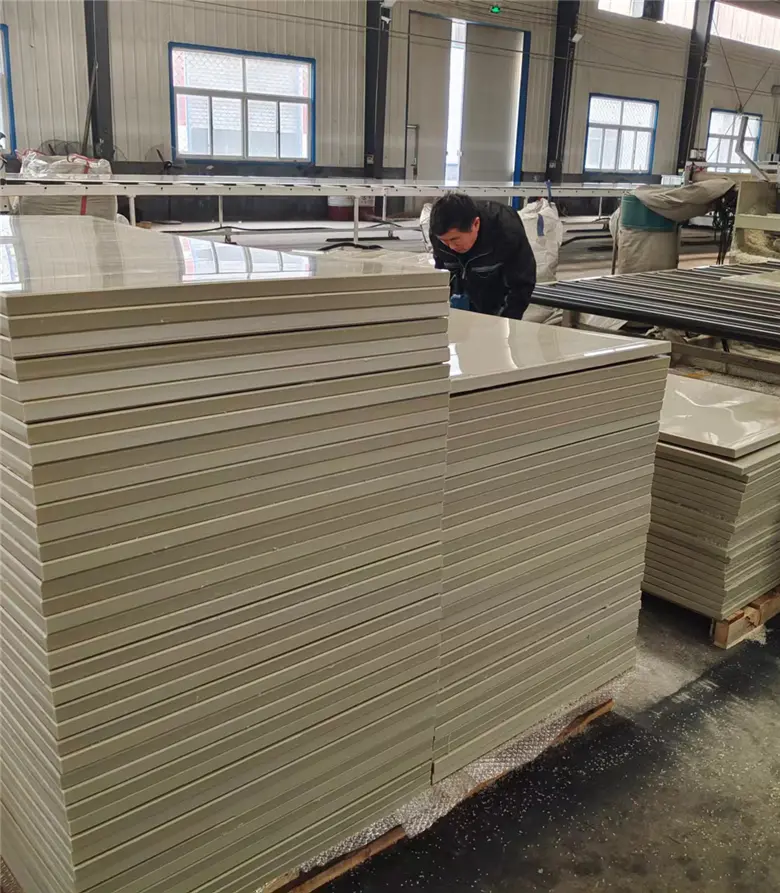
Engineering procurement professionals face strict operating specifications when acquiring polymer profiles. The primary concern is not just the initial price point, but the material's structural performance under load. Issues like thermal expansion (which causes buckling in long plastic tracks) and rapid dry-run wear in automated conveyors are common bottlenecks.
To mitigate these risks, modern industrial design requires precise raw material selection. For instance, selecting UHMWPE PE1000 grade is critical when sliding speeds exceed standard thresholds, due to its molecular chain length of up to 9 million g/mol. Conversely, for static, highly corrosive environments with lower mechanical stresses, structural PP sheets or HDPE blocks offer a more cost-effective solution. Achieving this balance requires sourcing partners who possess both chemical synthesis capabilities and mechanical design expertise.
Tianjin Beyond Technology Development Co., Ltd. leads the engineering plastics industry by pairing compression molding with high-precision CNC machining. Our integration of Factory 4.0 standards ensures tight tolerance controls (+/-0.05mm) and high batch-to-batch consistency.
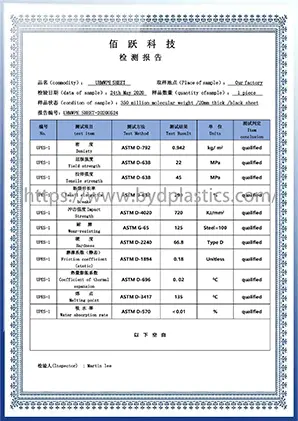
To guide procurement managers in making informed decisions, our engineering laboratory has compiled the material performance index of our key polymers. This data represents standard grades tested under ASTM and ISO guidelines.
| Polymer Type | Density (g/cm³) | Tensile Strength (MPa) | Friction Coefficient (Dry) | Max Temp Range (°C) | Primary Mechanical Advantage |
|---|---|---|---|---|---|
| UHMWPE (PE1000) | 0.93 - 0.95 | 22 - 35 | 0.10 - 0.15 | -260 to +80 | Exceptional wear resistance & low friction |
| HDPE (PE300/500) | 0.95 - 0.97 | 20 - 30 | 0.20 - 0.25 | -50 to +90 | High rigidity & excellent weldability |
| Polypropylene (PP) | 0.90 - 0.92 | 30 - 38 | 0.25 - 0.30 | 0 to +100 | Outstanding chemical acid/alkali resistance |
| POM (Delrin) | 1.41 - 1.43 | 60 - 70 | 0.15 - 0.20 | -40 to +110 | High dimensional stability & mechanical strength |
| Nylon (PA6) | 1.13 - 1.15 | 70 - 85 | 0.30 - 0.40 | -40 to +120 | Exceptional structural loading & impact resistance |
Tianjin Beyond ensures high consistency in our finished polymers by sourcing raw resins exclusively from leading global petrochemical suppliers, including TICONA, LG Chemical, and Sinopec. This close partnership guarantees that our raw materials show zero structural variance, maintaining uniform molecular distribution and crystal density.
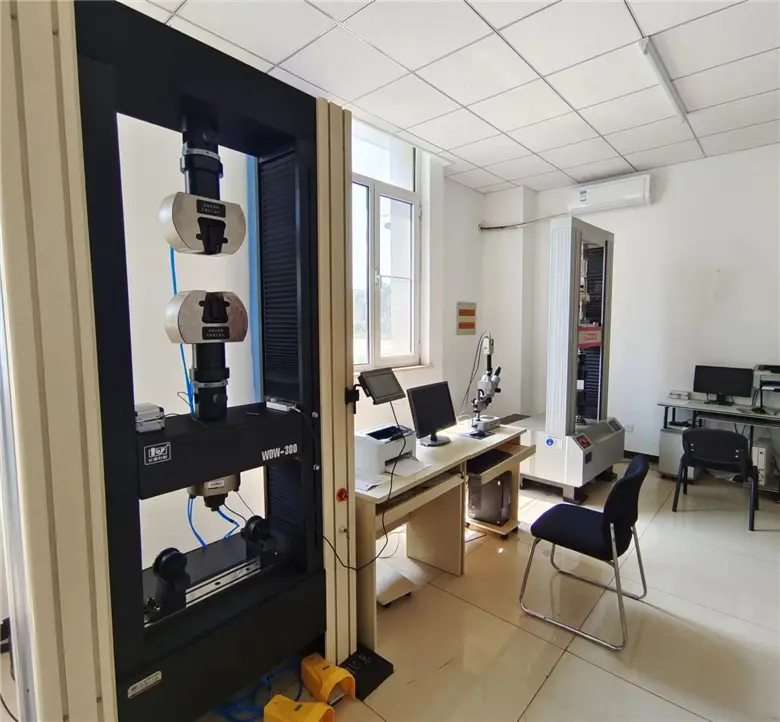
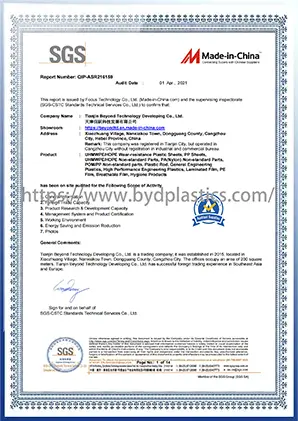
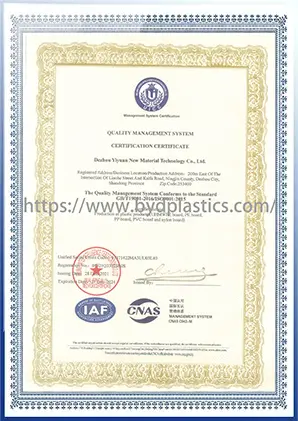
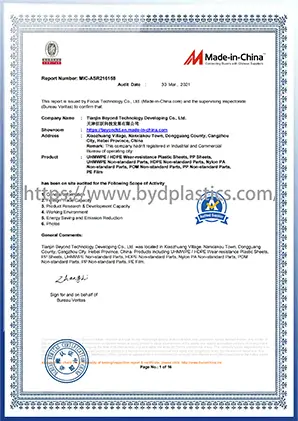
Our rigorous testing lab inspects every incoming batch. We run Melt Flow Index (MFI) tests, molecular weight distribution analysis, and density profiling to ensure that no recycled contaminants are present in our virgin grade products. Our manufacturing process conforms to ISO9001, SGS, and BV certification standards, making our plastic strips, sheets, and custom CNC profiles suitable for high-compliance operations worldwide.
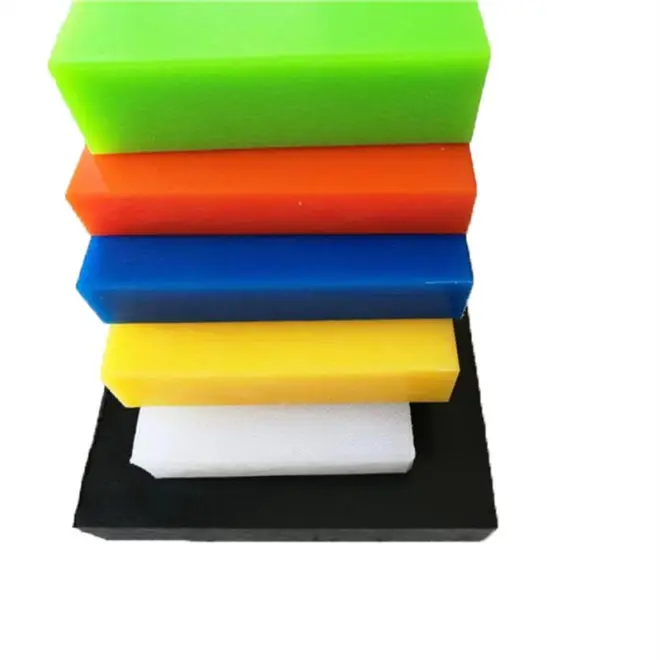
Features exceptional wear and impact resistance, making it suitable for high-wear applications like conveyors, hopper liners, and guide rails.
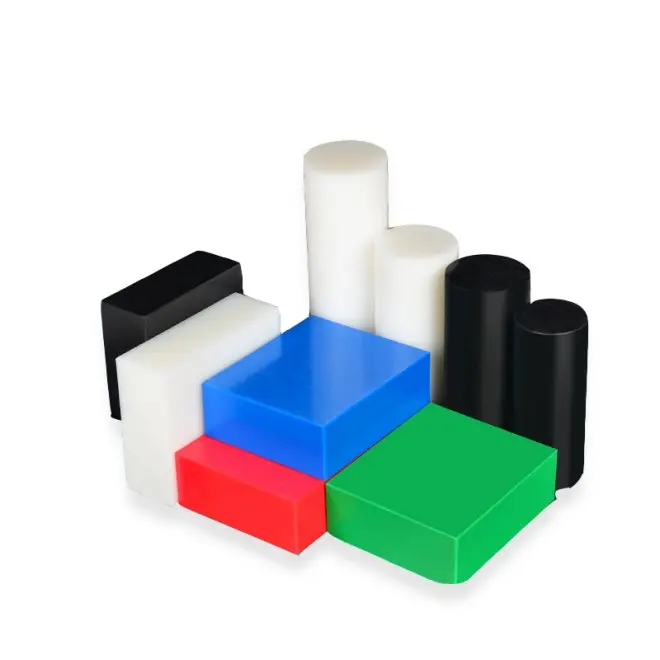
Self-lubricating, non-water-absorbent, and highly impact-resistant. Highly regarded as a premium grade choice in engineering plastics.
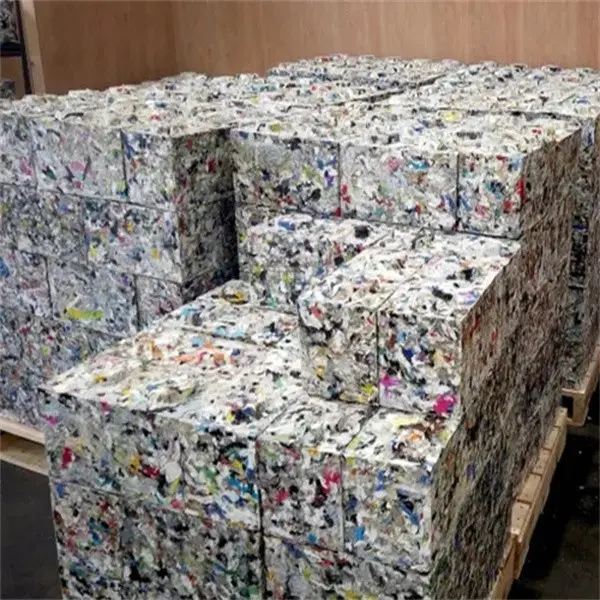
Combines sustainability with cost efficiency. Reduces waste and carbon footprint while retaining robust mechanical durability.
ISO9001, SGS, and BV certified processes control every production phase, from material validation to final dimensions.
Equipped with advanced gantry CNC milling machines, engraving lathes, and extrusion dies for custom strip sizes.
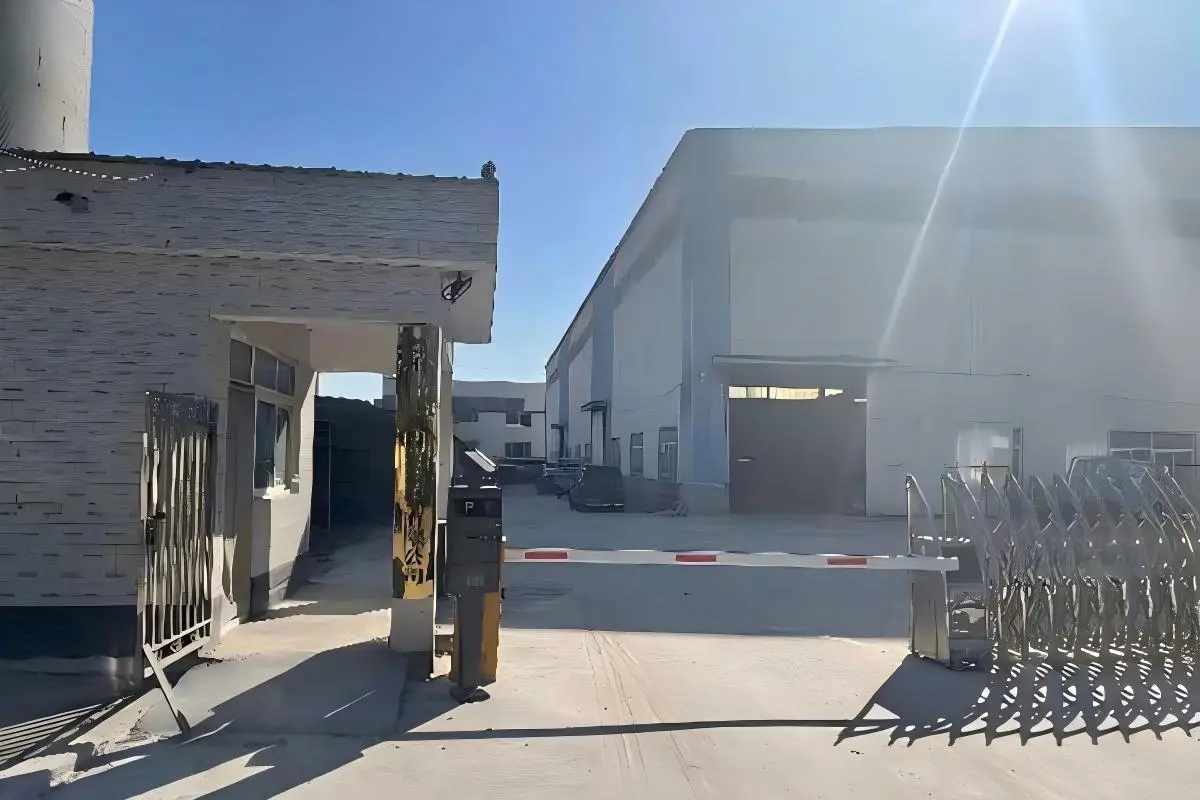
Our 50,000 sqm facility houses multiple extrusion and compression molding lines to ensure short lead times on bulk orders.
Direct supply contracts with LG Chemical and TICONA ensure competitive pricing and premium raw material grades.
What is the primary difference between HDPE and UHMWPE strips?
The fundamental difference lies in their molecular weight. HDPE (High-Density Polyethylene) has a molecular weight typically below 500,000 g/mol, making it easy to extrude and weld, perfect for structural applications. UHMWPE (Ultra-High Molecular Weight Polyethylene) features molecular weights ranging from 3 million to 9 million g/mol. This long polymer chain gives UHMWPE superior abrasion resistance, high impact strength, and a lower coefficient of friction than HDPE, though it requires specialized compression molding or slow extrusion processes.
How do you control dimensional tolerances on extruded plastic profile strips?
Plastics have higher thermal expansion coefficients than metals. At Tianjin Beyond, we utilize in-line temperature stabilization during extrusion, followed by precision secondary CNC processing. In our temperature-controlled workshops, we achieve tolerances as tight as +/- 0.05 mm on critical dimensions.
Are these high-density plastic strips suitable for outdoor, high-UV environments?
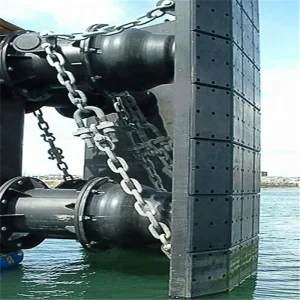
Standard virgin polymers will degrade under long-term UV exposure, leading to discoloration and brittleness. To prevent this, we formulate UV-stabilized grades by adding specialized carbon black or chemical UV blockers. These formulations are ideal for outdoor applications like ground protection mats, dock fender facing pads, and playground equipment components.
Can you manufacture flame-retardant and anti-static plastic strips?
Yes, we compound functional additives to meet industrial safety regulations. Our anti-static strips maintain a surface resistivity of 10^6 to 10^9 ohms, preventing static charges in grain handling and electronics manufacturing. Our flame-retardant grades achieve UL94 V-0 compliance, making them suitable for underground mining liners.
 Beyond