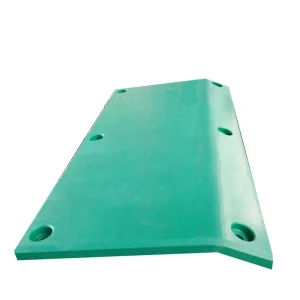
Explore our highly customized, wear-resistant, and high-temperature tolerance materials built to global industrial standards.
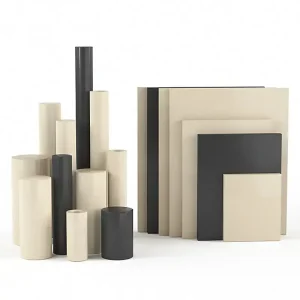
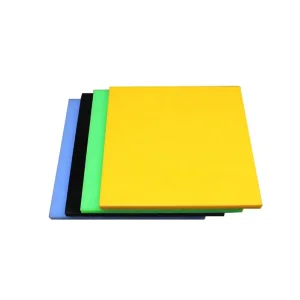
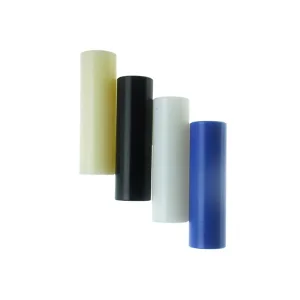
High-Density Polyethylene (HDPE) in sheet and roll formats represents one of the most versatile structural polymers in modern engineering. From massive civil environmental barrier systems (geomembranes) to precise food processing surfaces and marine structures, the demand for HDPE has shifted from basic structural coverage to high-performance applications that demand precise physical properties.
As global industrial systems seek out materials that offer low carbon footprints, non-toxicity, complete recyclability, and chemical passivity, HDPE has become a leading alternative to traditional wood, concrete, and steel structures. China, through advanced manufacturing clusters and continuous polymer breakthroughs, serves as the central hub for the production, extrusion, and design of these structural rolls.
The transition from traditional compression-molded sheets to wide-format continuous rolls is a significant milestone. Continuous roll extrusion reduces seams, enhances structural integrity across expansive physical areas, simplifies transportation logistics, and improves installation speeds for large-scale agricultural and containment projects.
High-Density Polyethylene differs from regular LDPE through its high density-to-strength ratio, polymer chain alignment, and chemical composition.
Our HDPE series features a density range of 0.941g/cm³ to 0.965g/cm³. The linear structure of the polymer chain offers minimal branching, yielding strong intermolecular forces, high tensile strength, and superior chemical resilience.
We integrate carbon black and custom hindered amine light stabilizers (HALS) within the polymer matrix. This addition prevents molecular chain cleavage from solar radiation, making our sheets suitable for outdoor usage.
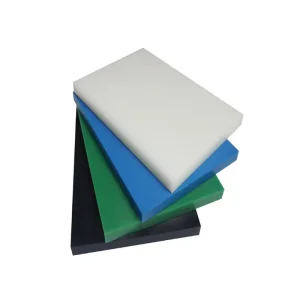
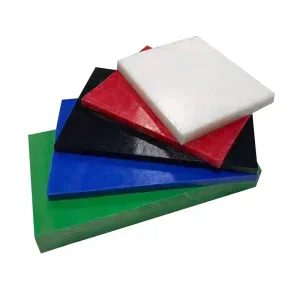
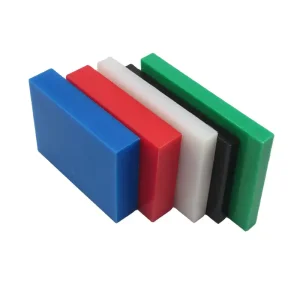
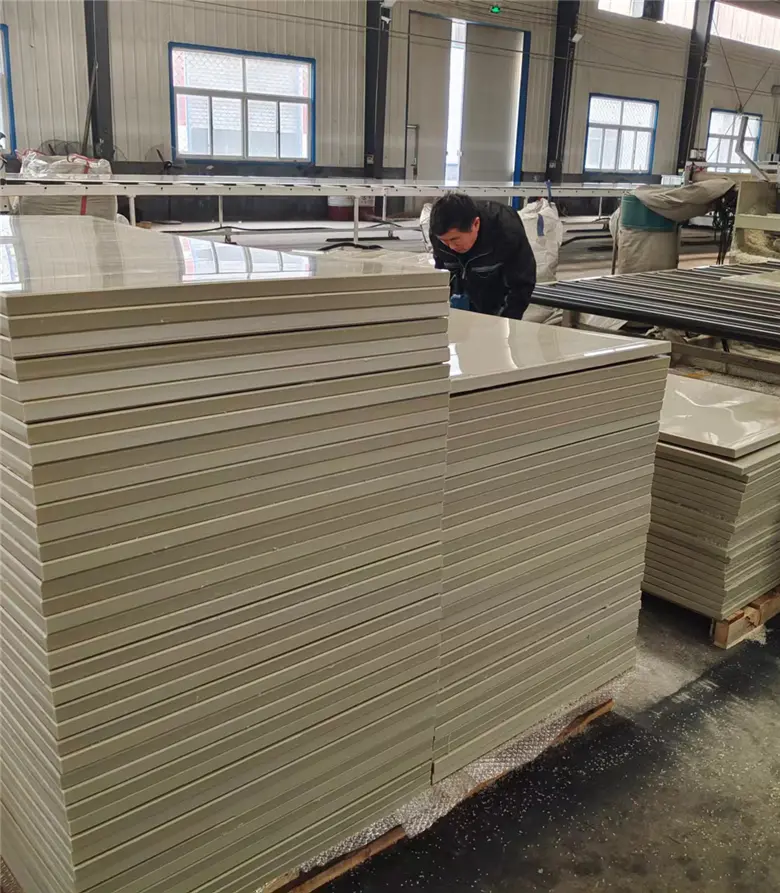
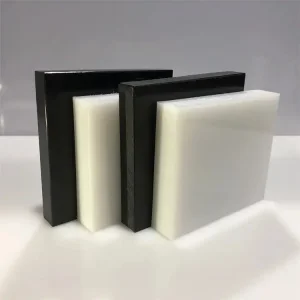
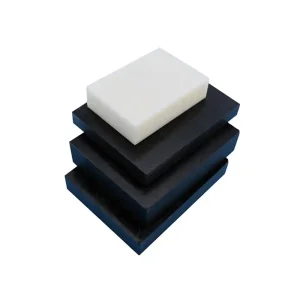
Our multi-layer extrusion lines produce dual-color layered sheets (sandwich structures) and composite rolls. This makes them ideal for custom signage, playground equipment, and structural lining applications.
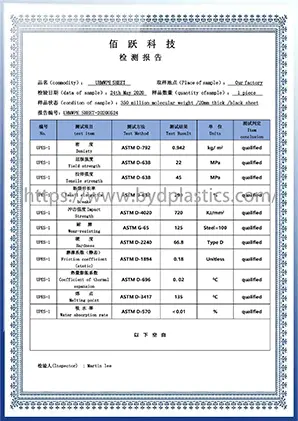
| Material Parameter / Property | HDPE (PE300) Standard | UHMWPE (PE1000) Standard | Testing Method Reference |
|---|---|---|---|
| Density Range (g/cm³) | 0.95 - 0.96 | 0.93 - 0.94 | ISO 1183 / ASTM D792 |
| Tensile Strength at Yield (MPa) | > 22 | > 20 | ISO 527-2 / ASTM D638 |
| Elongation at Break (%) | > 600 | > 300 | ISO 527 / ASTM D638 |
| Shore D Hardness | 63 - 68 | 60 - 65 | ISO 868 / ASTM D2240 |
| Shore D Hardness (after aging) | Stable / UV Resistant | Outstanding Wear-Resistance | ISO 4892 Standard |
A premier, comprehensive manufacturing enterprise specializing in engineering plastic materials and precision CNC machining.
Since 2015, the company has gained more than ten years of practical experience in engineering plastics manufacturing and precision CNC machining, building strong and reliable capabilities in material processing, precision control, and industrial production.
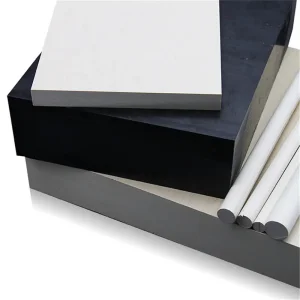
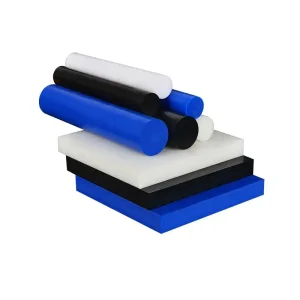
Our focus is centered upon the manufacturing of UHMWPE, HDPE, PP, and PVC sheets and rods, alongside a wide range of custom non-standard engineering plastic components and precision metal CNC machined parts. These materials are engineered to provide flexible, application-oriented solutions for diverse industrial requirements.
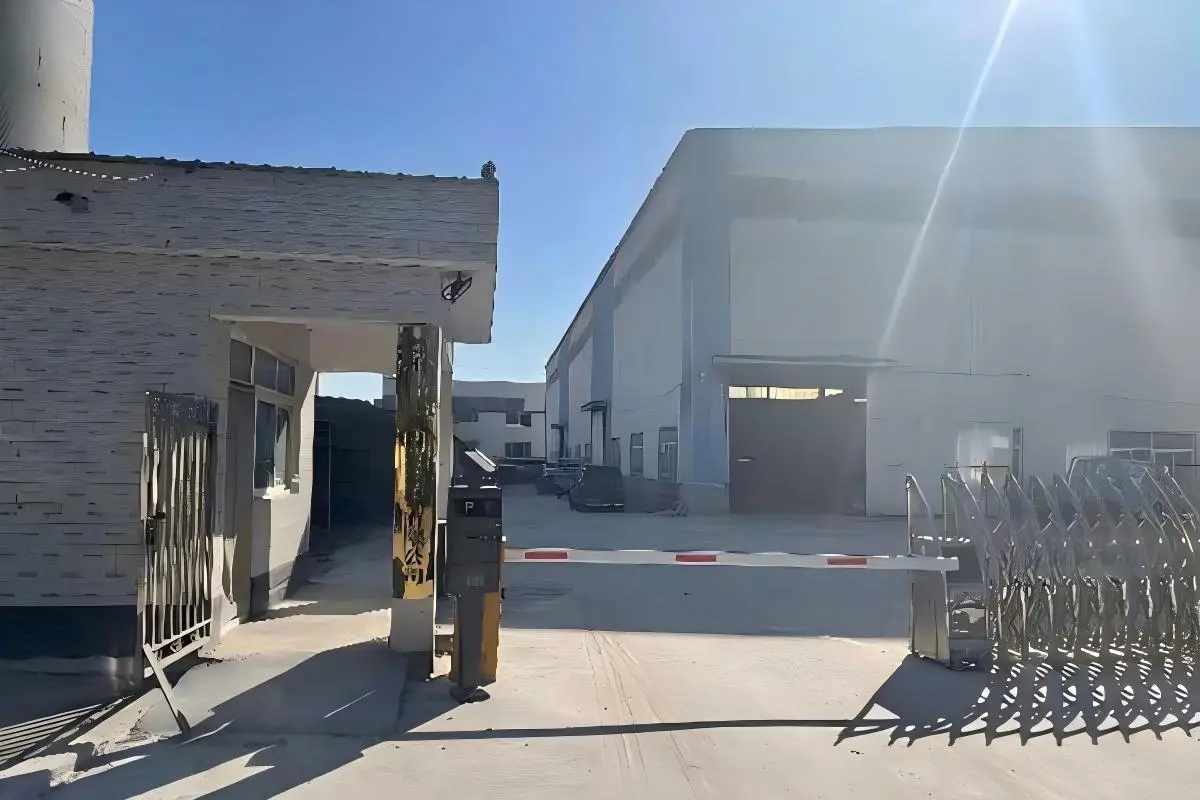
BEYOND’s manufacturing base spans approximately 50,000 square meters and integrates compression molding and extrusion workshops, a precision CNC machining center, and a dedicated R&D facility. Our facility is outfitted with advanced international equipment—including compression molding and extrusion lines, gantry CNC lathes, gantry CNC milling machines, and large-scale CNC engraving systems. This integrated setup allows us to ensure consistent quality, maintain efficient production, and deliver high-precision, large-volume, and customized products that meet international industrial standards.
We are committed to continuously improving our processes and technologies, providing reliable engineering plastic materials and value-added manufacturing services, and serving as a dependable long-term partner for customers around the world.
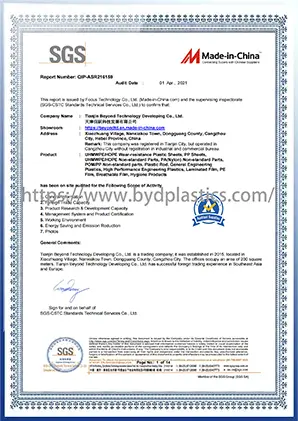
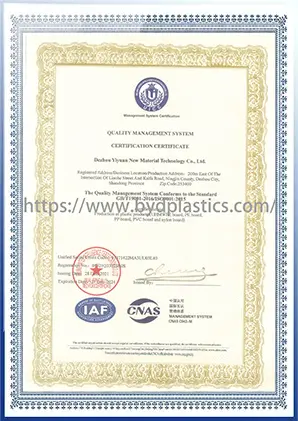
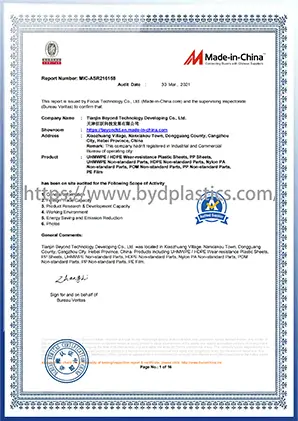
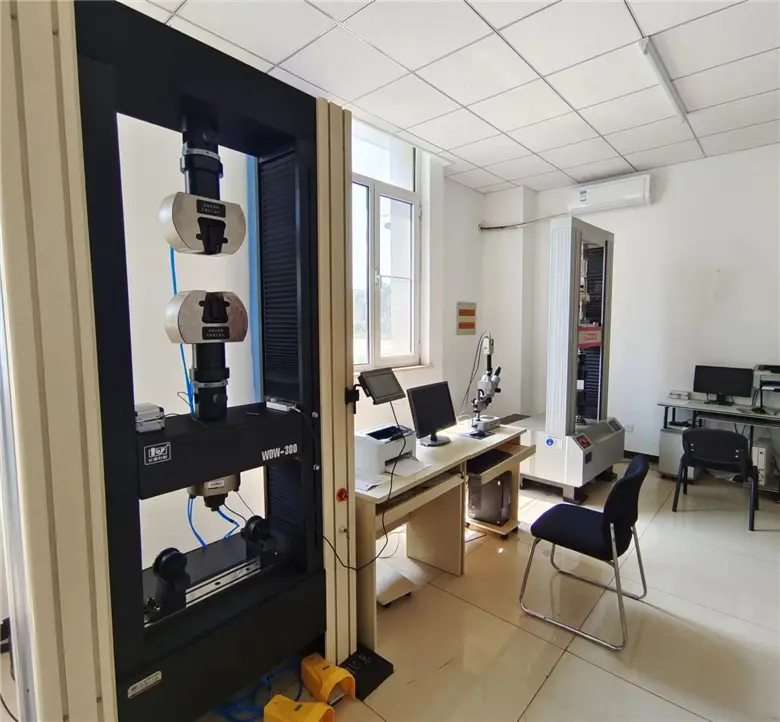
We operate under a complete quality inspection system. Raw materials, sample inspection, and random tests during production are recorded to issue final product Certificates of Analysis (COA). We are certified to ISO9001, SGS, and BV standards.
To ensure high material performance, Beyond has established partnerships with leading material providers, including TICONA, LG, and Sinopec. We also collaborate with plastic research institutions and universities.
We operate under the guiding principle of: "quality + speed + service = value". Our plant is dedicated to providing high-precision, large-volume, and customized products that match our clients' project criteria.
Maintaining our diverse material supply groups and understanding quality source origins.
Premium products come from high-quality raw materials. Ya’an Times Biotech Co., Ltd. is located in Ya’an, Sichuan, where the altitude varies greatly from 525 meters to 7555 meters. The diverse landforms and ambient temperatures provide a proper growth environment for a large number of plants which are main sources of high-quality pure natural raw materials of our products.
The raw material oils used in the production of essential oils, food and cosmetics are the second largest category of our products, such as camellia oil, eucalyptus oil, turmeric oil and pepper oil, etc. Times Biotech selects high-quality raw materials with high standards, strictly controls and supervises the whole production and extraction process, and adopts strict inspection standards to guarantee our oils to be the premium raw material oils which can be your best choice for your products.
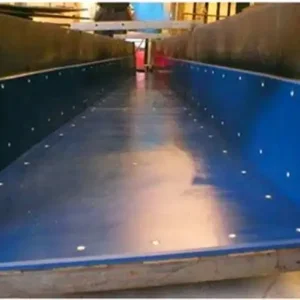
From heavy machinery deployment to chemical processing plants, engineered HDPE sheet rolls provide solutions across diverse environments.
Extruded HDPE rolls are widely used as geomembrane liners for landfill cells, wastewater treatment lagoons, and artificial lakes. Their seamless design prevents soil contamination and controls leachate leakage.
Canal routing, reservoir sealing, and irrigation dykes benefit from HDPE's low permeability. The material prevents water loss through seepage, controls root intrusion, and stands up to environmental degradation.
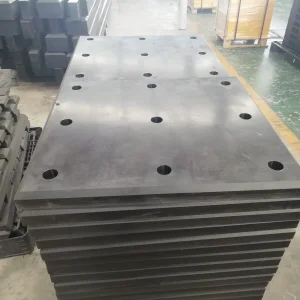
Our ground protection mats and outrigger pads distribute heavy machinery wheel-loads across swampy or soft terrains. This prevents soil compaction, ensures equipment stability, and protects sensitive surfaces.
Our manufacturing processes are verified to ensure performance uniformity across all production batches.
Get professional technical insights on chemical compatibility, welding methods, and selection guidelines.
While both are polyethylene formulations, the key difference lies in molecular weight. HDPE (High-Density Polyethylene) has a molecular weight generally ranging from 100,000 to 300,000 g/mol, making it ideal for thermoforming, extrusion into rolls, and structural sheets like tanks and tarpaulins. UHMWPE (Ultra-High Molecular Weight Polyethylene) features a molecular weight between 3 to 6 million g/mol. This high molecular density provides superior wear-resistance and low friction, making it suitable for high-abrasion applications like truck liners, dock fenders, and machinery components.
HDPE rolls are typically joined using thermoplastic welding techniques. The primary methods include: (1) extrusion welding, which uses a hand-held extruder and HDPE welding wire for detail work; and (2) hot wedge welding, which runs a heated wedge between overlapping sheets to fuse the polymer chains under pressure. Because HDPE is semi-crystalline, thermal welding yields a joint strength that can match the parent material when performed under correct temperature, speed, and pressure controls.
Ordering HDPE in rolls offers significant advantages for large-scale coverage. It minimizes the number of seams or welded connections, which are potential failure points in lining applications. Rolls also allow for continuous deployment, simplify transport and storage logistics, and speed up installations for agricultural reservoirs, root barrier installations, and foundation waterproofing.
Standard raw polyethylene can degrade under UV radiation, leading to embrittlement. To prevent this, we incorporate 2% to 3% carbon black and specialized UV stabilizers (HALS) into our outdoor-grade HDPE rolls. This formulation absorbs and disperses UV energy, protecting the polymer chains and ensuring a service life that can exceed 10 to 20 years in direct outdoor exposures.
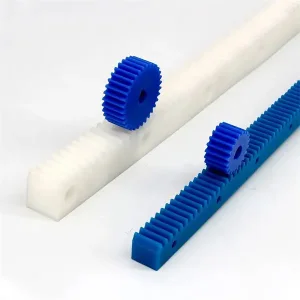
Browse our collection of engineering plastics, including high-density polyethylene, polypropylene, nylon, and POM variations.
 Beyond