Explore our primary product portfolio, manufactured under strict ISO 9001:2015 quality standards and tailored to global industrial demands.
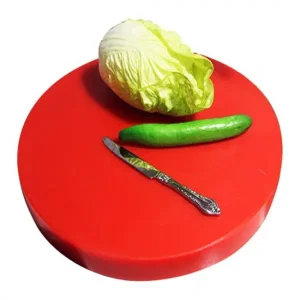
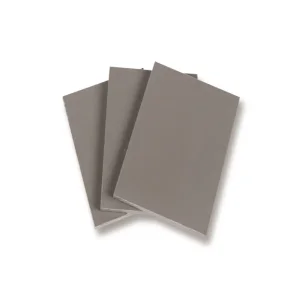
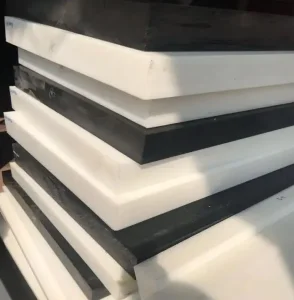
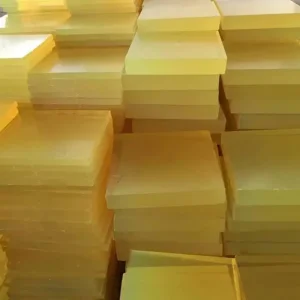
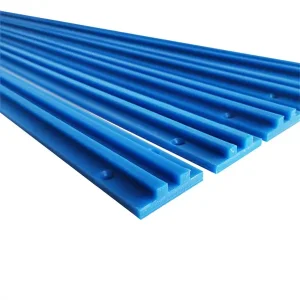
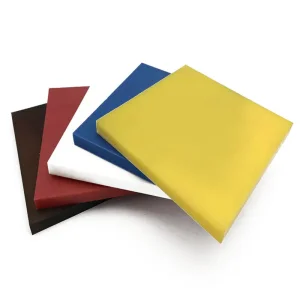
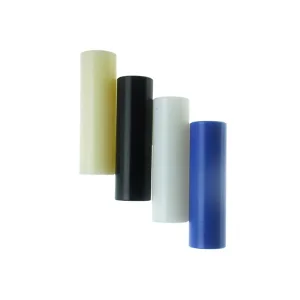
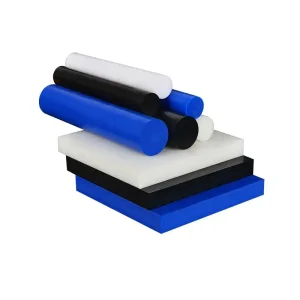
Tianjin Beyond Technology Development Co., Ltd. stands as a preeminent comprehensive manufacturing enterprise specializing in engineering plastic materials and precision CNC machining. Established in 2015, we harness more than ten years of practical experience in the engineering plastics sector, constructing deep competencies in material processing, precision dimensional control, and industrial-scale production. We focus on the manufacturing of Ultra-High-Molecular-Weight Polyethylene (UHMWPE), High-Density Polyethylene (HDPE), Polypropylene (PP), and Polyvinyl Chloride (PVC) sheets and rods, as well as a wide array of customized, non-standard engineering plastic components and precision metal CNC machined parts.
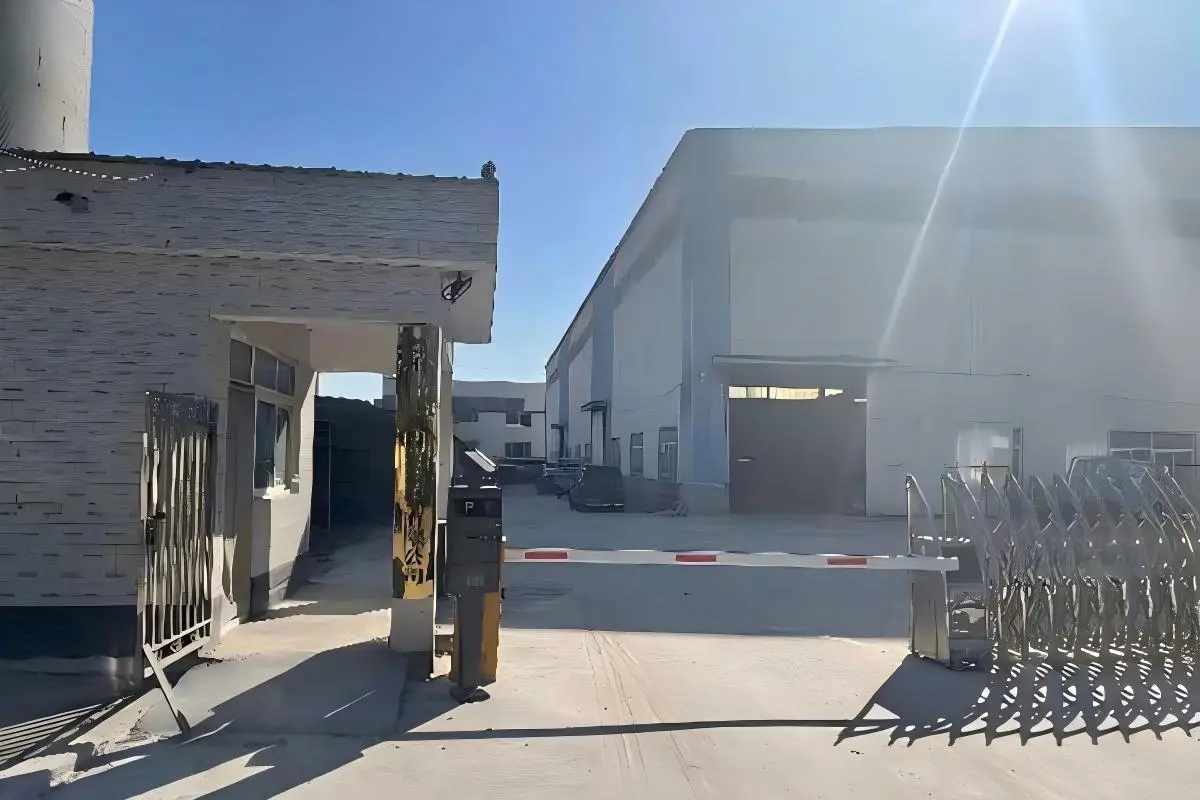
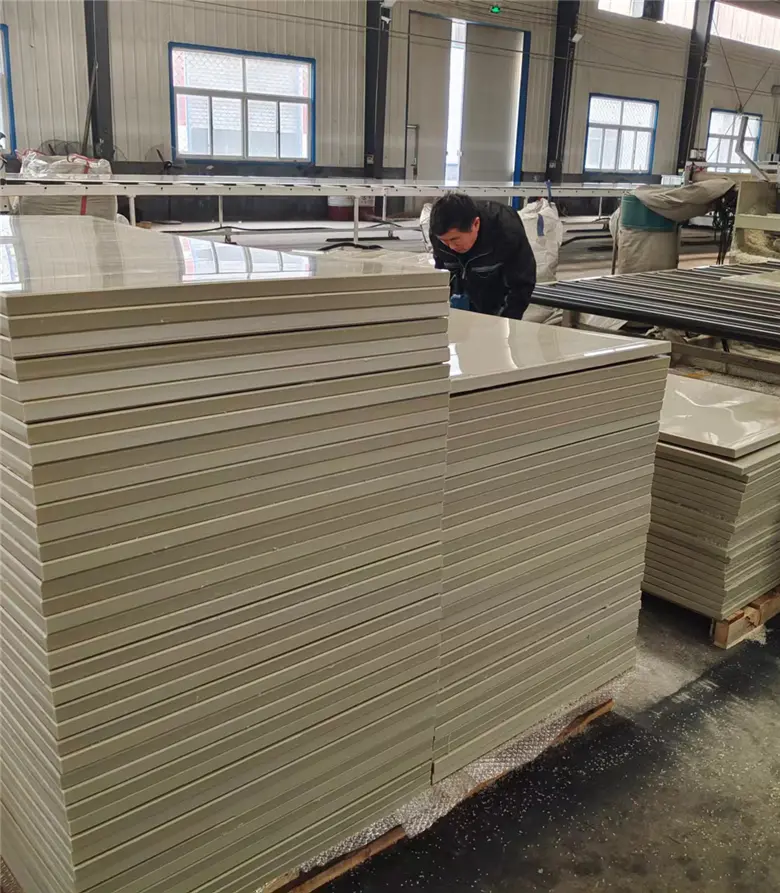
Our manufacturing headquarters spans approximately 50,000 square meters, integrating compression molding and extrusion workshops, a state-of-the-art precision CNC machining center, and a dedicated Research & Development facility. Outfitted with international machinery—including gantry CNC lathes, gantry CNC milling machines, and large-scale CNC engraving systems—this integrated configuration ensures consistent structural tolerances, highly efficient production, and customizable, high-volume production structures designed to satisfy the world's most rigorous industrial specifications.
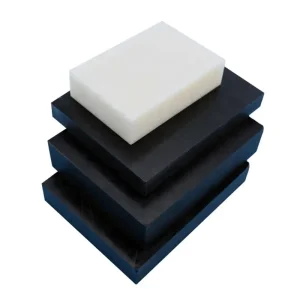
Understanding the technical distinction between High-Density Polyethylene (HDPE) and Ultra-High-Molecular-Weight Polyethylene (UHMWPE) is crucial for accurate material specification in high-stress industrial applications.
High-Density Polyethylene (HDPE / PE300) is defined by its high density-to-strength ratio, polymer crystallinity (typically ranging from 60% to 80%), and minimal branching, which yields superior tensile strength and chemical resistance compared to lower-density polyethylenes. When the molecular weight is scaled from standard HDPE (typically 100,000 to 300,000 g/mol) to UHMWPE (PE1000, molecular weight exceeding 3 to 9 million g/mol), the material shifts fundamentally in its physical behavior. The extremely long molecular chains provide exceptional impact resistance, self-lubricating surface properties, and a wear coefficient that outperforms carbon steel in slurry applications.
As molecular weight increases, the mechanical strength is augmented by molecular entanglements. While standard HDPE (PE300) offers excellent weldability, rigidity, and ease of machining for structural tanks, UHMWPE (PE1000) provides the ultimate abrasion resistance required for heavy equipment liners, chute components, and marine dock fenders, though it cannot be welded using standard thermal plastic welding techniques due to its extremely high melt viscosity.
| Property Parameters | HDPE (PE300) | HWMPE (PE500) | UHMWPE (PE1000) | Polypropylene (PP) |
|---|---|---|---|---|
| Molecular Weight (g/mol) | ~300,000 | ~500,000 | 3,000,000 - 9,000,000 | ~250,000 |
| Density (g/cm³) | 0.95 - 0.96 | 0.94 - 0.95 | 0.93 - 0.94 | 0.90 - 0.91 |
| Yield Tensile Strength (MPa) | 22 - 30 | 20 - 25 | 18 - 22 | 30 - 38 |
| Shore D Hardness | 63 - 68 | 62 - 66 | 60 - 65 | 70 - 75 |
| Relative Abrasion Resistance (Steel = 100) | 18 | 15 | 8 - 12 | 22 |
| Service Temp. Limit (°C) | -50 to +80 | -80 to +80 | -150 to +85 | 0 to +100 |
Analysing macroeconomic shifts, modern supply chain integration, and the commercial drivers of polyolefin demand in global heavy industry.
The global demand for High-Density Polyethylene boards and machined components is experiencing a compound annual growth rate (CAGR) of over 5.4%, driven by heavy industrial modernizations, stricter food safety regulations, and infrastructure investments. In North America and Europe, stringent municipal codes demand structural plastics that resist chemical leaching, microbial growth, and intense UV degradation. Consequently, traditional materials such as marine-grade plywood, treated softwood, and carbon steel are being replaced by UV-stabilized dual-color HDPE sheets and high-strength PE1000 liners.
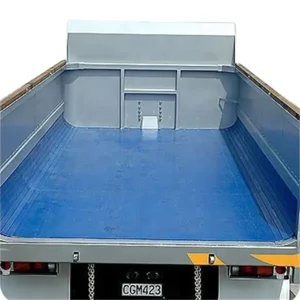
In industrial bulk handling and mining—especially throughout South America, Australia, and South Africa—engineers rely on PE1000 truck liners and coal bunker lining materials to mitigate friction and eradicate material sticking issues. The low friction coefficient of polyethylene ensures faster sliding dynamics, preventing "carryback" during unloading cycles and boosting overall operational efficiency. On a global commercial scale, the transition to high-density thermoplastics is a major component of reducing long-term maintenance overhead, lowering equipment weight, and supporting circular economy initiatives via recyclable polyolefins.
Examining practical, on-site deployments of high-performance polyethylenes across varying environmental and mechanical conditions.
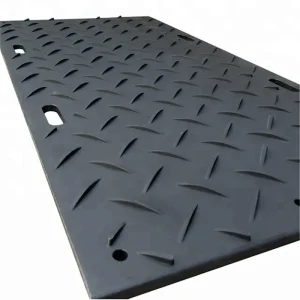
Our heavy-duty ground protection mats act as temporary roadways over soft clay, sand, and sensitive turf. Capable of supporting axel loads of over 100 tons, they prevent vehicle bogging and minimize environmental site restoration costs.
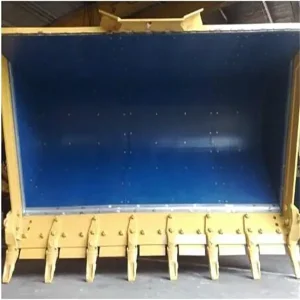
By lining coal bunkers, chute systems, and truck beds with PE1000/UHMWPE sheets, bulk material terminals eliminate clogging and bridging. The self-lubricating surface ensures continuous material flow, even in sub-zero climates.
Standard HDPE sheets (PE300) are widely welded to construct industrial acid tanks, chemical scrubbers, and waste containment vessels, benefiting from their near-zero moisture absorption and resistance to harsh acids and bases.
Our food-grade OEM HDPE cutting boards are non-porous, prevent bacterial absorption, and do not dull commercial cutlery. These characteristics make them the standard choice for global meat packing facilities and commercial kitchens.
Installed as dock fender pads, UHMWPE prevents impact damage to hulls and harbor structures. Unlike wood or rubber, it is impervious to saltwater, marine boring organisms, and extreme ultraviolet radiation.
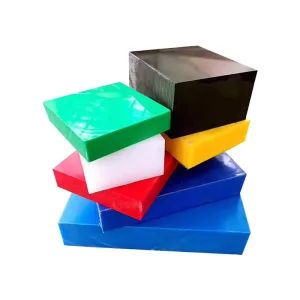
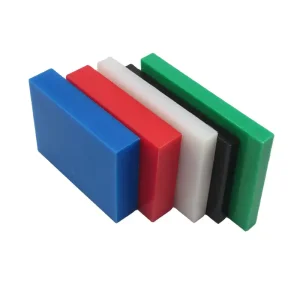
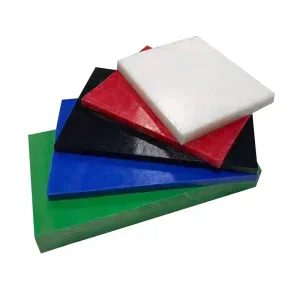
Utilizing co-extruded dual-color HDPE sandwich sheets, recreational equipment builders construct highly durable, colorful, UV-stabilized playground components that resist vandalism and structural fatigue.
Why Tianjin Beyond's integrated logistics and material supply network provides global partners with pricing stability, volume scaling, and rapid delivery.
The modern engineering plastics market is highly sensitive to raw material price fluctuations and logistic delays. Tianjin Beyond Technology Development Co., Ltd. mitigates these risks through direct strategic purchasing agreements with international chemical leaders, including TICONA (Celanese), LG Chem, and Sinopec. This ensures that the raw polymer pellets used in our extrusion and compression molding lines are consistently premium and free from contaminated scrap, maintaining the molecular distribution characteristics specified in international design standards.
Furthermore, our geographic position in Tianjin—a key industrial zone and major maritime shipping hub in Northern China—allows for seamless customs clearance, container packing, and global freight dispatch. By integrating raw material sourcing, sheet extrusion, compression molding, and precision 5-axis CNC machining under one 50,000-square-meter facility, we eradicate the compound markups and communication delays associated with multi-vendor supply chains. For global OEMs, this translates to one-stop service: from technical CAD blueprints to final machined parts, with certified quality checks at every stage.
Our commitment to sustainable engineering, bio-based polyolefins, and intelligent material processing technologies.
As the international engineering community works toward carbon neutrality, the materials science sector must adapt. Tianjin Beyond's research and development program is actively pursuing a dual-track technical roadmap:
Quality control is central to our production philosophy. From raw materials arriving at the factory, through molding and machining, to finalized products, we perform strict quality checks under the ISO 9001:2015 framework. Our facilities undergo regular audits by third-party testing organizations including SGS and Bureau Veritas (BV).
Our raw materials comply with international regulations such as FDA, REACH, and RoHS, ensuring safety in food processing, drinking water piping, and electronic components. For high-stress applications, we provide Certificate of Analysis (COA) documentation, detailing density metrics, molecular weight parameters, Shore hardness, and wear characteristics to guarantee traceability and structural performance.
Technical clarifications to support material selection, CNC machining setup, and installation operations.
Explore our wider catalog of structural rods, engineering boards, and custom-machined plastic solutions.

 Beyond