High-performance thermoplastics and elastomers engineered to withstand extreme wear, harsh environmental exposures, and precise structural loads across Pacific Northwest facilities.
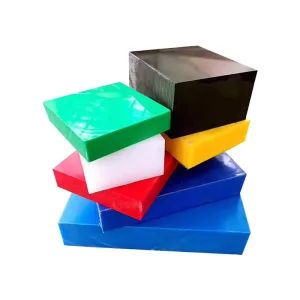
Ultra-High Molecular Weight Polyethylene featuring a molecular weight of 9.2 million g/mol. Outstanding impact resistance and wear attributes tailored for Seattle aerospace logistics.
Technical Specs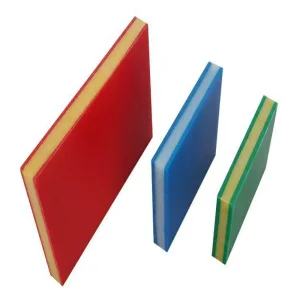
Co-extruded dual-color High-Density Polyethylene planking. UV stabilized, corrosion resistant, and ideally suited for Seattle marine playgrounds, docks, and signage applications.
Technical Specs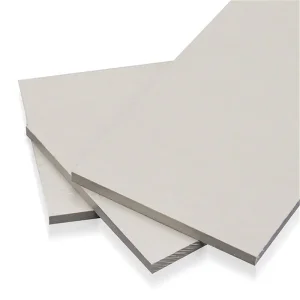
Homopolymer polypropylene sheets presenting exceptional chemical resistance and thermal integrity, tailored for process engineering and acid processing tanks in PNW.
Technical Specs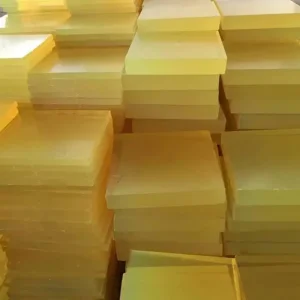
Premium Polyurethane sheets offering an optimal balance between elastomer elasticity and plastic rigidity. Provides exceptional vibration damping and shock mitigation.
Technical SpecsThe Seattle metropolitan area, representing the industrial heart of the Pacific Northwest (PNW), operates at a critical intersection of advanced aerospace manufacturing, heavy maritime logistics, high-volume automated processing, and clean energy development. To maintain structural integrity while driving down operational downtime, local engineers are increasingly looking beyond conventional metal alloys toward custom-engineered polymers. In particular, the PU Series (Polyurethane) and associated engineering thermoplastics (UHMWPE, HDPE, POM, nylon) serve as foundational components in this material revolution.
Polyurethane’s unique molecular architecture allows it to fill the vast performance gap between brittle plastics and highly malleable rubbers. In Seattle's damp, marine-influenced, and demanding industrial climates, standard materials degrade rapidly due to hydrolysis, atmospheric salt exposure, and continuous friction. The PU series offers high load-bearing capacity, excellent shear strength, outstanding oil resistance, and a dynamic durometer range (from soft 20 Shore A up to rock-hard 85 Shore D), making it the premier choice for wear liners, vibration-damping mountings, and roller assemblies.
The performance of PU sheets, rods, and custom molded profiles is dictated by the chemical balance between polyols (polyether or polyester) and diisocyanates. Seattle's humid climate makes polyether-based polyurethanes highly favored for marine and port environments because they resist microbial degradation and maintain molecular bonds in water-submerged systems. Conversely, for dry, abrasive machining processes, polyester-based polyurethanes are preferred due to their superior sliding wear resistance and tensile strength.
To design or procure the right PU series components, one must analyze the specific demands of Seattle's signature industrial clusters:
Aerospace manufacturing requires meticulous precision and material safety. Component surface protection is critical during the assembly of aircraft wings, fuselages, and electrical systems. In these environments, PU sheets and custom components act as non-marking protective fixtures, soft jaws, and assembly cradle liners. Because PU will not scratch aircraft-grade titanium or carbon fiber composites, it reduces scrap rates and maintains structural integrity throughout the manufacturing cycle.
The Port of Seattle and the Port of Tacoma together form the Northwest Seaport Alliance, handling millions of TEUs annually. Sea-salt exposure and heavy mechanical friction from incoming cargo vessels accelerate the degradation of steel and wood fender systems. Utilizing ultra-high molecular weight polyethylene (UHMWPE) marine fender pads alongside resilient polyurethane shock-absorption blocks ensures that ship hulls slide smoothly against berths without transferring damaging kinetic energy directly into the dock structures.
With the expansion of the Pacific Northwest tech corridor, cleanrooms and chemical processing facilities require materials that resist aggressive chemical washes without outgassing. Homopolymer Polypropylene (PP) and Polyacetal (POM/Delrin) are extensively used to manufacture custom chemical tubs, cleanroom ducting, and precision structural guides. Their low moisture absorption rates and resistance to strong acids prevent cross-contamination in semiconductor wafer lines.
| Material Series | Key Properties | Primary Seattle Application | Operational Temperature Range |
|---|---|---|---|
| PU Series (Polyurethane) | Extreme tear resistance, vibration damping, Shore A/D versatility | Conveyor rollers, shock pads, aerospace soft jigs | -40°F to +180°F |
| UHMWPE (PE1000) | Self-lubricating, zero water absorption, highest impact strength | Marine fender pads, hopper liners, dock bumpers | -150°F to +180°F |
| POM (Acetal/Delrin) | High dimensional stability, low creep, tight CNC tolerances | Aerospace gears, semiconductor components, bushings | -50°F to +220°F |
| HDPE | Lightweight, moisture barrier, high chemical resistance | Playground equipment, marine cabinetry, chemical tanks | -60°F to +160°F |
For procurement managers based in Washington state, the primary challenge is balancing localized response times with global cost efficiency. The integration of China Industry 4.0 manufacturing standards by premier suppliers like Tianjin Beyond Technology Development Co., Ltd. offers a viable solution to this problem.
By upgrading compression molding lines and utilizing state-of-the-art multi-axis CNC machining centers, Tianjin Beyond has achieved high material consistency and production speeds. The traditional challenge of importing finished plastic components—such as variability in polymer density or micro-voids in cast PU blocks—has been systematically eliminated. Microprocessor-controlled cure ovens and real-time ultrasonic testing guarantee that every sheet, rod, and machined part conforms strictly to ASTM, ISO9001, and SGS standards.
Furthermore, shipping directly from major Chinese hubs like the Port of Tianjin to Seattle/Tacoma ports provides a distinct logistic advantage. Seattle's geographic position as the closest major US West Coast gateway to Asia translates to reduced transit times (often under 16 days ocean freight), enabling companies in the Pacific Northwest to maintain lean inventories while relying on a robust offshore supply chain.
Why global industrial leaders choose BEYOND as their preferred polymer fabrication partner.
We source premium resin raw materials from global chemical conglomerates including TICONA, LG, and Sinopec. Every batch is dispatched with comprehensive COA (Certificate of Analysis) reports.
Equipped with heavy-duty gantry CNC routers and multi-axis lathes, we achieve dimensional tolerances as tight as ±0.05 mm, perfectly matching engineering drawings for complex assemblies.
Our facility integrates raw polymer extrusion, compression molding, and precision machining under one roof, eliminating sub-contractor delays and offering direct manufacturer pricing.
Established in 2015, Tianjin Beyond Technology Development Co., Ltd. has grown from a specialized machining workshop into a comprehensive engineering polymer giant. We develop, extrude, mold, and machine advanced polymers that replace heavier, corrosion-prone steel components in demanding environments.
Our philosophy is simple: "Quality + Speed + Service = Value". Through continuous material research and close collaboration with polymer scientists, we supply Seattle maritime operators, heavy equipment manufacturers, and logistics giants with high-performance parts that increase operating lifespans.
When engineering mechanical systems in Seattle, material selection often comes down to a direct comparison between Polyurethane (PU Series) and Ultra-High Molecular Weight Polyethylene (UHMWPE). Both materials exhibit remarkable wear characteristics, but they solve different engineering issues.
UHMWPE is characterized by a low coefficient of friction (similar to PTFE/Teflon) and zero moisture absorption. This makes it suitable for applications requiring components to slide continuously under pressure, such as lining coal bunkers, maritime dock fenders, and conveyor guide rails. It is highly resistant to chemical attack and does not experience static swelling.
Polyurethane (PU), on the other hand, possesses high elastomeric properties. While UHMWPE will deform permanently under localized impacts (cold flow), PU deforms elastically and returns to its original shape. This makes PU sheets and parts optimal for high-impact environments where sand, gravel, or metal shards strike surfaces at high velocity. Additionally, PU can be molded into complex geometries with variable hardness profiles across a single component.
Explore our full line of industrial engineering sheets, rods, and custom CNC components optimized for Seattle distributors and manufacturers.
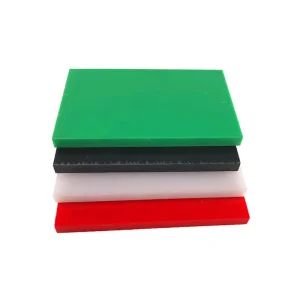
Mould-pressed, stress-relieved UHMWPE sheets. Highly suited for heavy-duty coal bunker liners, material chutes, and structural supports.
View Product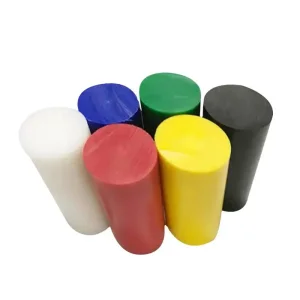
High mechanical strength, low moisture absorption, and excellent machinability. The gold standard for precision aerospace gear production.
View Product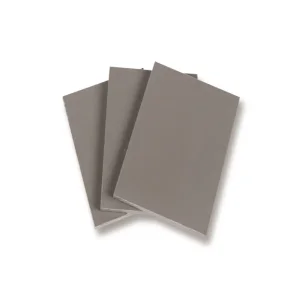
Unplasticized PVC sheets offering excellent electrical insulation, fire-extinguishing properties, and superior chemical protection.
View Product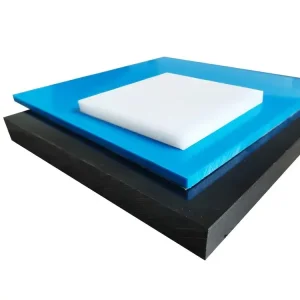
Solid copolymer POM sheets, precision extruded to prevent center porosity. Excellent structural rigidity and dimensional creep resistance.
View Product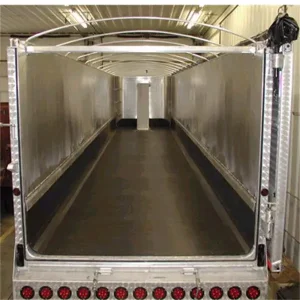
Abrasion-resistant dump truck and hopper lining solutions. Drastically lowers release stickiness and expedites bulk material cycles.
View Product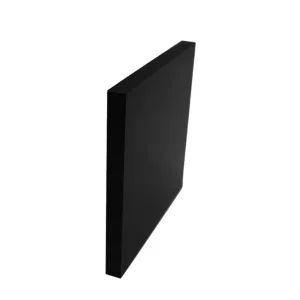
Re-processed polymer blending sustainability with high wear resistance. Ideal for industrial grade ground support applications.
View Product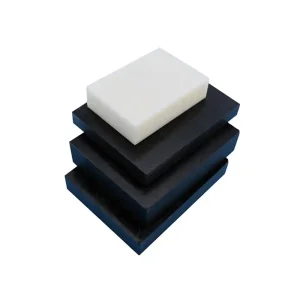
Three-layer co-extruded HDPE sheet with bright core colors. UV-stabilized and weather-resistant, perfect for outdoor infrastructure.
View Product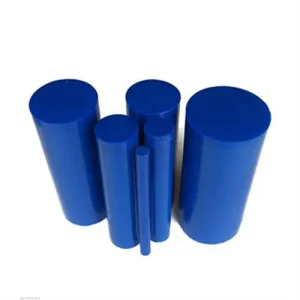
Ultra-dense PE1000 rods machined to close tolerances. Extremely low wear profile, serving as the raw feed for dock fenders and marine bushings.
View ProductCritical engineering and logistics insights for Pacific Northwest procurement professionals.
Seeking custom CNC prototyping or mill-direct wholesale pricing for the Seattle industrial market? Request your detailed quote and material specification sheets today.
Send Inquiry Now Beyond