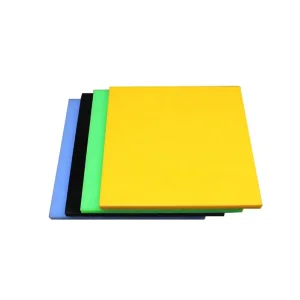
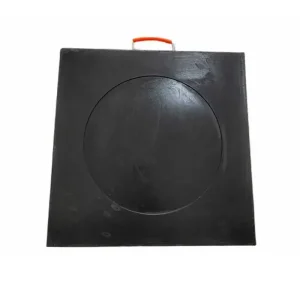
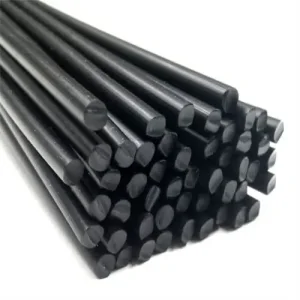
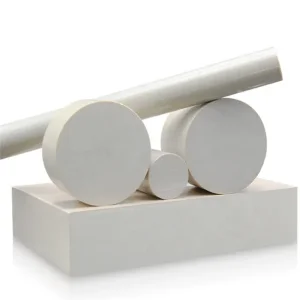
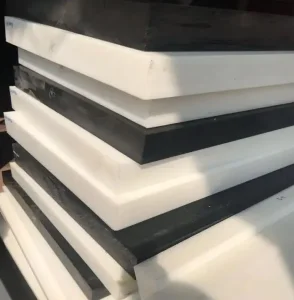
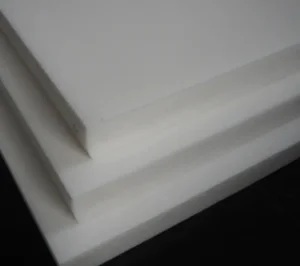
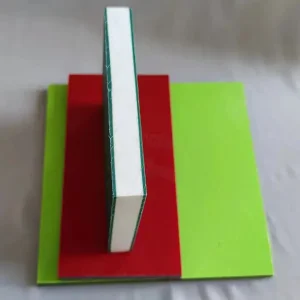
Select from our high-performance stock of sheets, rods, and CNC custom shapes.
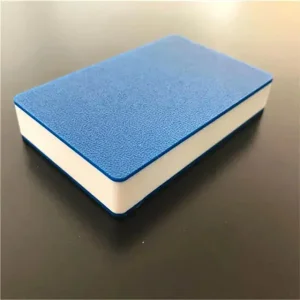
Ultra-High Molecular Weight Polyethylene (UHMWPE), particularly in bar and rod form (PE1000), represents the pinnacle of wear-resistant polymer engineering. Composed of linear polymer chains with an average molecular weight ranging between 3.0 million to over 9.2 million g/mol, UHMWPE possesses a molecular mass far greater than typical high-density polyethylenes. This massive molecular chain density yields unparalleled mechanical attributes: extreme impact toughness (even at cryogenic temperatures as low as -200°C), an incredibly low coefficient of dynamic friction, and near-perfect self-lubricating characteristics.
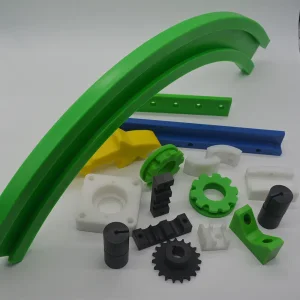
For engineers and procurement managers sourcing wholesale UHMWPE bars, specifying the proper molecular weight class is paramount. Standard UHMWPE PE1000 bars have a molecular structure designed specifically to replace metals in sliding friction applications, minimizing surface degradation and preventing galling. Because of this, it is frequently used to manufacture wear guides, stars, bushings, pulleys, roller sleeves, and chemical valve components.
The manufacturing of UHMWPE bars differs fundamentally from standard thermoplastics due to the material's extremely high melt viscosity, which renders typical injection molding impossible. We utilize two major manufacturing pathways:
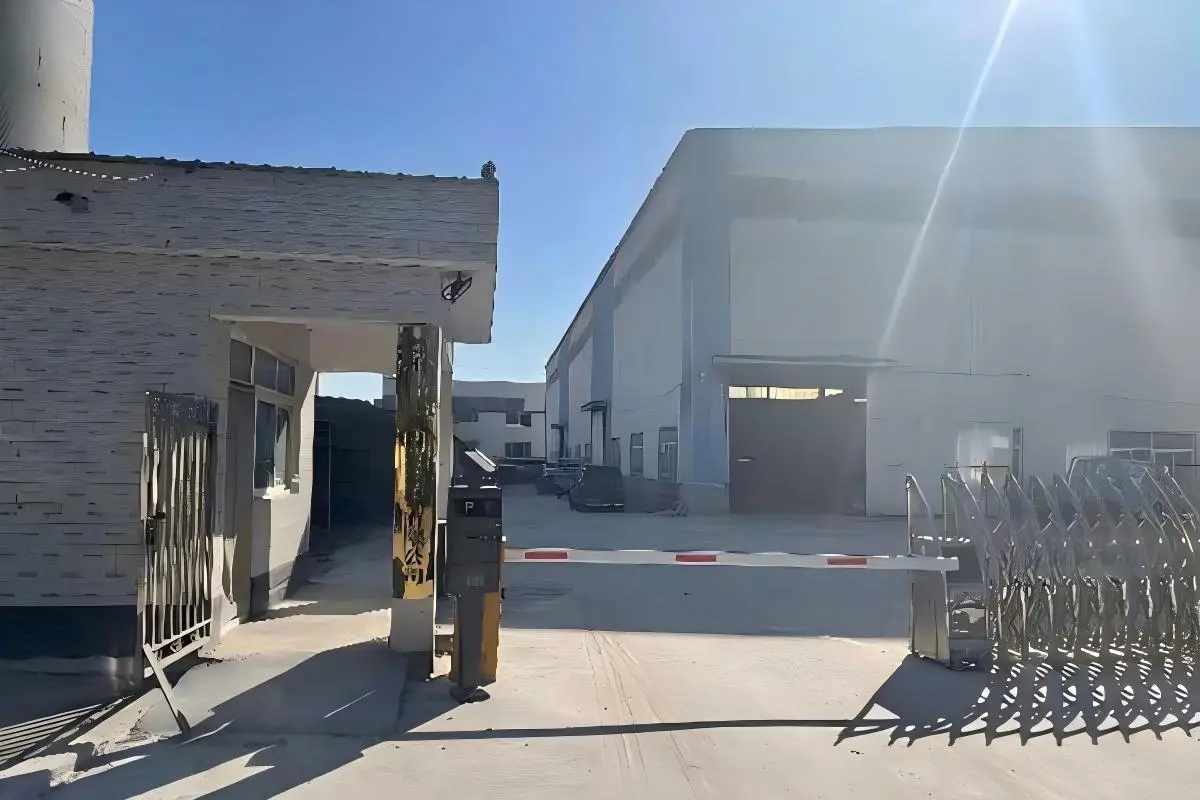
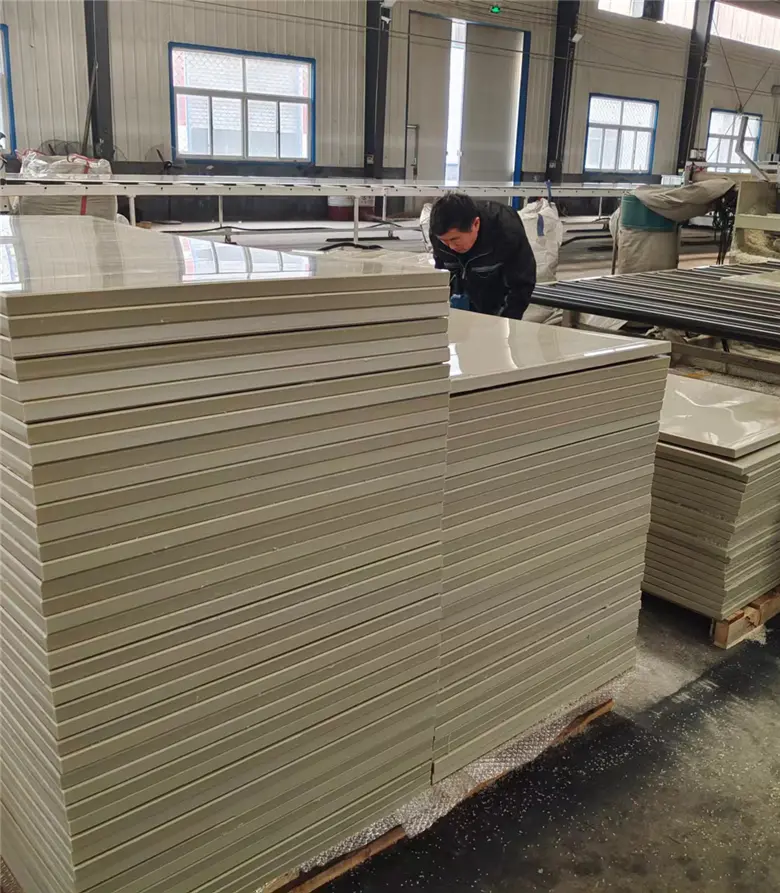
Tianjin Beyond Technology Development Co., Ltd. serves as a pivotal node in the global polymer supply chain. Located in the industrial heart of Tianjin, our manufacturing base spans roughly 50,000 square meters. By integrating raw material sourcing, large-scale compression molding, continuous ram extrusion, and a highly advanced CNC precision machining division, we provide global procurement officers with unmatched stability in pricing, lead times, and quality control.
Our procurement model relies on deep-tier collaborations with leading global chemical conglomerates including TICONA (Celanese), LG Chem, and Sinopec. This dual-source safety net ensures we secure high-grade virgin polymer resins, resistant to raw material price shocks. Furthermore, we operate independent quality laboratories capable of certifying molecular weight ranges, tensile strengths, density profiles, and Shore D hardness specs before any batch leaves our facility.
Global industrial buyers require more than raw performance; they demand full regulatory compliance. Beyond ensures all products align with:
Premium end-use products rely heavily on uniform feedstock quality. While Tianjin Beyond focuses on high-performance industrial polymers, our sister division, Ya'an Times Biotech Co., Ltd. (located in the high-altitude ecosystem of Ya'an, Sichuan), manages clean natural extraction processes for high-purity organic compounds (such as camellia, eucalyptus, turmeric, and pepper oils used in premium cosmetics and food processing).
This parallel expertise in high-purity raw material tracking, strict extraction controls, and state-of-the-art laboratory testing is deeply embedded within the entire Beyond Group. From the meticulous extraction controls of natural oils to the molecular analysis of our polymers, we implement a comprehensive quality inspection flow. This guarantees that every shipped order is accompanied by a reliable Certificate of Analysis (COA) confirming zero defects.
Select the ideal engineering polymer grade for your specific thermal and mechanical demands.
| Property Parameter | UHMWPE (PE1000) | HMWPE (PE500) | HDPE (PE300) | PA6 Nylon Rod | POM (Delrin) |
|---|---|---|---|---|---|
| Molecular Weight (g/mol) | 3.0 – 9.2 Million | ~ 500,000 | ~ 300,000 | N/A (Crystalline) | N/A (Polyacetal) | Density (g/cm³) | 0.93 - 0.94 | 0.95 - 0.96 | 0.95 - 0.96 | 1.13 - 1.15 | 1.41 - 1.43 |
| Dynamic Friction Coeff. | 0.10 - 0.15 | 0.18 - 0.22 | 0.25 - 0.30 | 0.35 - 0.42 | 0.25 - 0.32 |
| Wear Resistance (Relative) | Excellent (100) | Good (60) | Moderate (35) | Excellent (Dry sliding) | Very Good (High load) |
| Water Absorption (%) | < 0.01 | < 0.01 | < 0.01 | ~ 2.5 (High) | ~ 0.2 |
| Max Operating Temp (°C) | 80 | 80 | 75 | 100 | 100 |
The global demand for high-strength polymers is shifting rapidly due to automation and sustainability initiatives. UHMWPE bars are increasingly selected as direct replacements for carbon steels and bronzes to drastically reduce equipment weight, lower power consumption, and eliminate oil lubricants.
UHMWPE bars are machined into slider blocks, chain guides, and scraper blades. They withstand abrasive dust and eliminate frictional heat build-up that can lead to conveyor belt damage.
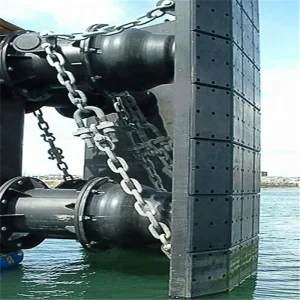
Due to zero water absorption and complete salt-water corrosion resistance, machined UHMWPE rods and bars are used for marine fender face pads, dock bumpers, and lock gates.
With FDA certification and high chemical resistance to aggressive cleaning agents, UHMWPE wear strips and scroll guides keep lines moving quietly without contaminating products.
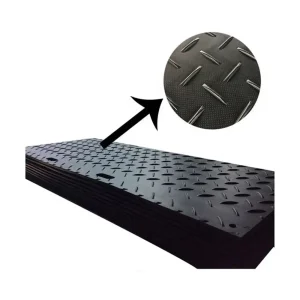
As major industries target carbon neutrality, the integration of Recycled Eco-friendly Mixed HDPE & UHMWPE is growing. While virgin PE1000 remains the benchmark for critical structural loads, hybrid compositions represent a cost-effective, sustainable alternative for light wear applications, structural backing plates, and protective shielding.
At Tianjin Beyond, we have developed proprietary blending techniques to combine post-industrial polymer scrap with premium virgin materials, ensuring that recycled options retain high structural integrity while reducing the overall carbon footprint of our global partners.
Find quick, authoritative answers to common engineering and commercial questions.
High-grade wear solutions, CNC structural parts, and specialized industrial plastics.
 Beyond