Explore our top-tier precision extruded and compression molded engineering plastics, optimized for extreme environments.
A technical examination of physical properties, manufacturing advances, global sourcing logistics, and structural application scenarios.
Nylon, chemically recognized as Polyamide (PA), has stood at the forefront of heavy-duty engineering thermoplastics for decades. As heavy industries seek lightweight alternatives to structural metals like steel, bronze, and aluminum, the demand for industrial-grade Nylon Sheets has witnessed exponential growth. The modern global market demands advanced engineering materials capable of functioning under high mechanical loads, extreme friction, and diverse chemical exposures.
Key industrial trends driving the polyamide sheet sector include:
To maximize the utility of Polyamide in industrial projects, mechanical designers must understand the distinct production routes: extrusion and casting.
Extrusion is a continuous thermoforming process. Raw polyamide resins are melted and forced through a calibration die. Extruded Nylon sheets present high crystallization density, yielding improved tensile strength and dimensional consistency at lower thicknesses. Typically chosen for high-volume custom wear components, dynamic washers, and electronics isolation barriers.
Cast Nylon (MC Nylon) is synthesized directly via pressureless anionic polymerization inside a mold chamber. This manufacturing methodology allows the polymer chains to align organically, producing minimal internal stress. Cast Nylon sheets exhibit higher crystallinity, superior toughness, and better machinability. Monomer casting allows the production of extremely thick blocks and oversized sheets without void formation.
Nylon Sheets stand out in rigorous field environments due to these mechanical constants:
When selecting structural sheets, engineers must evaluate material trade-offs. The table below maps the physical attributes of Nylon against other common polymers like UHMWPE, HDPE, POM, and Polypropylene.
| Property | Nylon 6 / MC Nylon (PA) | UHMWPE (PE1000) | POM (Delrin) | HDPE (PE300/500) |
|---|---|---|---|---|
| Tensile Strength (MPa) | 80 - 90 (High) | 22 - 25 (Low) | 65 - 70 (Medium-High) | 20 - 30 (Low) |
| Coefficient of Friction | 0.35 - 0.42 (Medium) | 0.10 - 0.15 (Ultra Low) | 0.25 - 0.30 (Low) | 0.15 - 0.20 (Low) |
| Water Absorption (24h) | 1.5% - 2.5% (High) | <0.01% (Negligible) | 0.22% (Low) | <0.01% (Negligible) |
| Continuous Work Temp (°C) | -40 to +110 °C | -260 to +80 °C | -50 to +100 °C | -50 to +85 °C |
| Impact Toughness (kJ/m²) | Highly Resilient (No Break) | Outstanding (Extremely High) | High | Good |
B2B procurement of polymer semi-finished sheets is complicated by strict operating limits. Supply chain managers are looking beyond list prices, emphasizing parameters that ensure low Total Cost of Ownership (TCO) and long component service life.
Tianjin Beyond Technology Development Co., Ltd. represents the peak of Chinese Industry 4.0 evolution in high-performance polymers. Operating from a state-of-the-art 50,000 square meter factory base, we integrate precision compression molding, advanced raw material compounding, automated extrusion, and complex CNC multi-axis milling under one roof.
Our raw material procurement strategy relies on partnerships with premium global material suppliers, including TICONA (Celanese), LG, and Sinopec. By processing premium engineering grade resins, we ensure that every custom Nylon, UHMWPE, and POM sheet possesses high molecular chain stability and uniform density.
Whether you require standard 1220*2440mm sheets or custom machined components like wear guides, custom sheaves, or outrigger pads, Beyond Technology offers a streamlined path from initial CAD design to completed component.
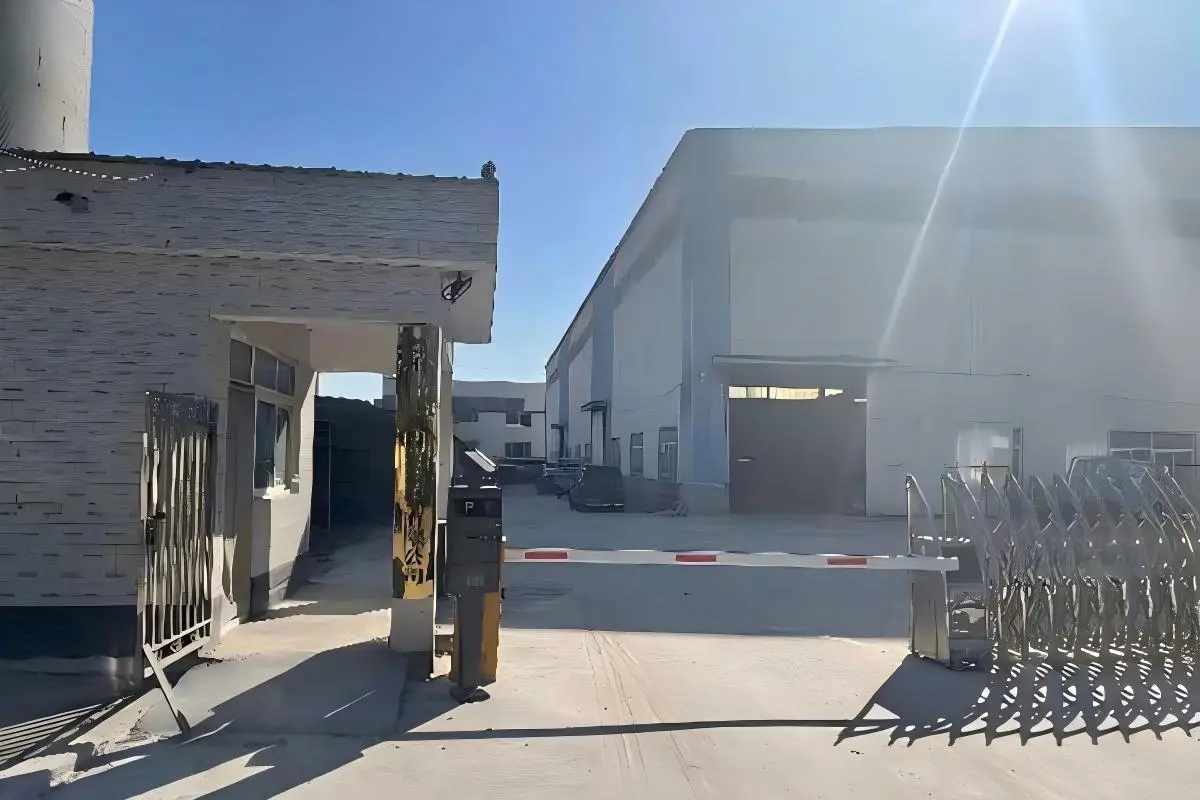
Where heavy loading, continuous friction, and chemical stability require high-end polymer components.
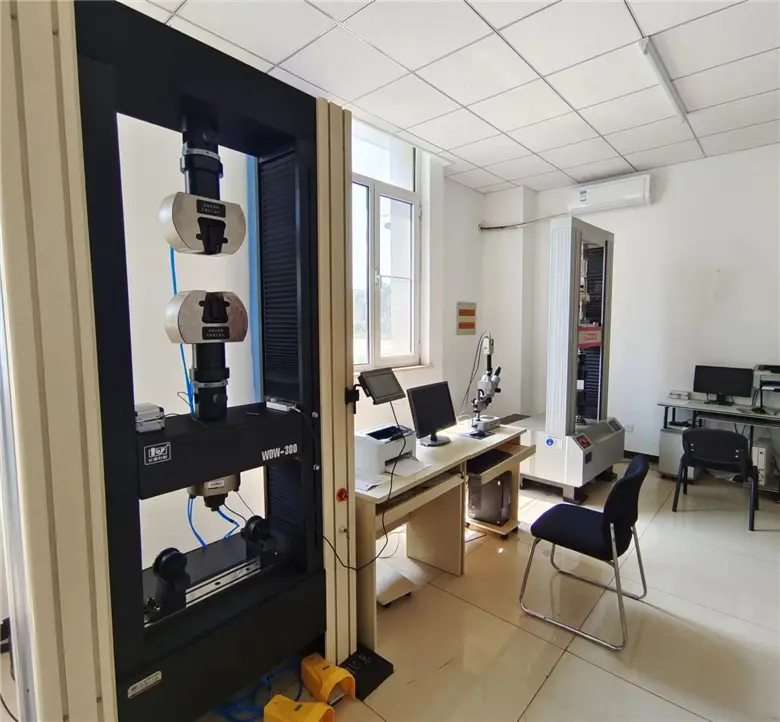
Our complete inspection process spans from raw polymer inspection, dynamic manufacturing process checks, and finished component COA (Certificate of Analysis) generation. No component leaves the factory floor unchecked.
Combining heavy-duty hydraulic compression molding machines with multi-axis CNC routers. We handle massive sheet stock thicknesses and complex designs, maintaining narrow tolerances down to +/- 0.05mm.
Beyond Nylon/PA6 sheets, our expertise covers high-wear UHMWPE, HDPE ground protection sheets, PP welding components, structural POM Delrin, and customized anti-static/flame-retardant industrial variations.
Understanding how polyamide stock shapes solve severe wear, loading, and isolation problems across diverse industries.
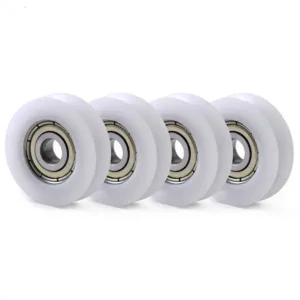
Traditional steel wire sheaves create high surface friction against cables, accelerating cable wear. Machined Nylon sheaves and pulleys reduce system weight, absorb cable vibration, and extend wire rope service life. Self-lubricating properties allow smooth rotation without dry seizing.
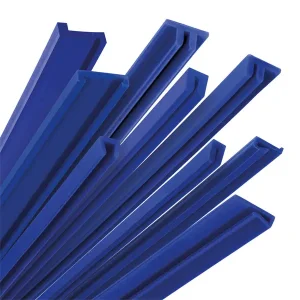
In high-speed logistics and bottling facilities, steel guides generate loud squealing and drag. Extruded Nylon wear strips and slide-ways run quietly, resist wear under high linear speeds, and protect sliding metal containers from scuffs.
For mobile cranes and concrete pumps, stable footing is critical. While UHMWPE crane pads are standard, heavy operations often specify high-hardness Cast Nylon sheets to distribute concentrated vertical loads without bending or micro-fracturing on rugged ground surfaces.
Marine environments require high chemical resistance and impact absorption. By combining UHMWPE marine fender pads with PA6 structural bushings, port authorities achieve low-friction berthing face plates that can withstand continuous vessel impacts.
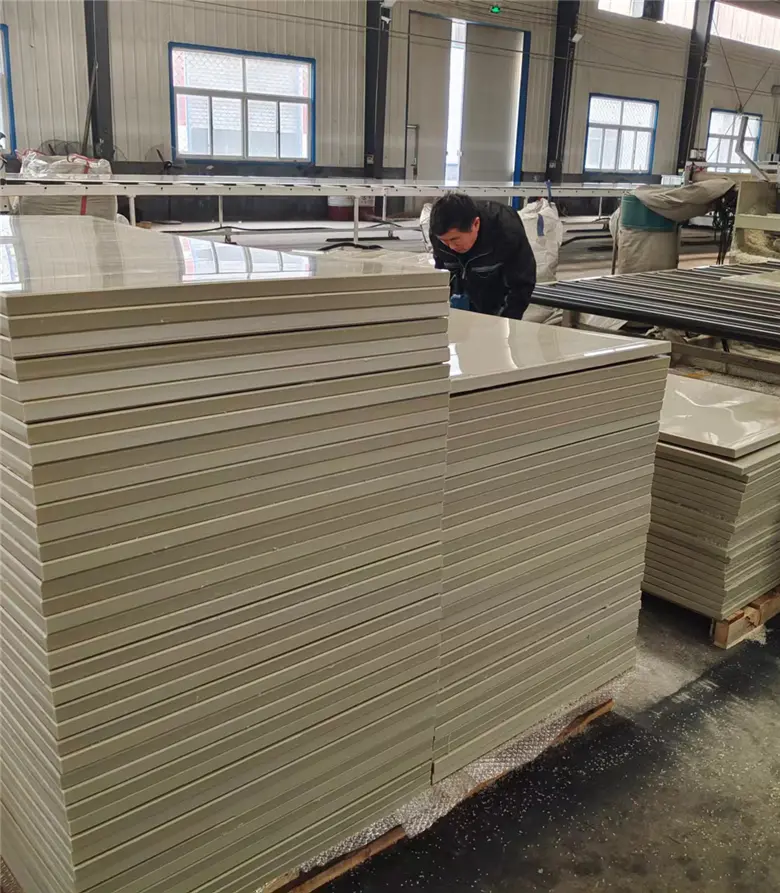
Answering technical queries on the performance, processing, and application parameters of Nylon and associated engineering plastics.
Polyamides (especially Nylon 6 and PA66) contain polar amide groups that naturally attract water. Atmospheric moisture absorption can increase dimensions by up to 2-3% depending on humidity levels. To mitigate this in precision engineering applications: 1. Select Cast Nylon (MC Nylon) which has a slightly lower absorption rate than extruded grades. 2. Anneal the material during the CNC machining process to relieve internal stress. 3. Apply dry coatings or select oil-filled or glass-reinforced nylon formulations which limit moisture penetrability. For zero moisture absorption environments, consider choosing POM or UHMWPE sheets.
Cast Nylon (MC Nylon) has higher molecular weight and crystallinity, resulting in cleaner chip formation, less melting risk, and cleaner cut finishes during high-speed CNC routing and lathe operations. Extruded Nylon has a lower melting point, meaning cutters must be sharp with high rake angles and fast feed rates to prevent material melting and burring.
Yes. Self-lubricating Nylon sheets (specifically MoS₂ or oil-filled MC Nylon) provide several operational benefits over bronze bearings: 1. Weight reduction: Nylon is roughly 1/7th the weight of bronze, lowering structural inertia. 2. High shock absorption: Nylon cushions heavy loads and limits vibration transmission. 3. Dry run operation: Minimizes reliance on manual lubricating greases, protecting environment-sensitive machinery.
Our quality management is certified to ISO 9001. We maintain strict control across the raw material supply chain by collaborating with premium vendors like TICONA, LG, and Sinopec. Every batch undergoes physical testing (density, tensile yield, shore hardness). We provide official certificates of analysis (COA) and material tracking codes for international transparency.
Choose POM (Polyoxymethylene/Delrin) when absolute dimensional stability in humid or wet environments is required. POM absorbs minimal moisture, retains flat geometries, and displays high rigidity. However, for applications requiring high shock absorption, impact toughness, and extreme resistance to abrasive dry wear, Nylon sheets are often the preferred solution.
For food processing, we supply specific virgin grades of Nylon, POM, and UHMWPE that comply with FDA and EU food contact regulations. Our facility can also provide material testing reports from third-party inspectors like SGS and BV, confirming compliance with REACH, RoHS, and flame-retardant standards.
Discover our custom CNC routed shapes, ground protection mats, wear plates, and structural components built to client specification.
 Beyond