 Beyond
The Evolution of HDPE Sheet Colors in Industrial Design
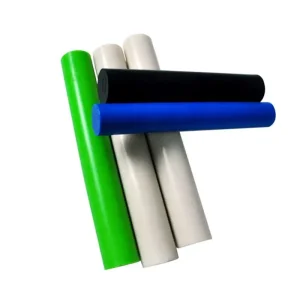
High-Density Polyethylene (HDPE) has long been the backbone of structural and chemical engineering thermoplastics. Known for its exceptional strength-to-density ratio, low moisture absorption, and robust chemical resistance, HDPE is increasingly specified in dynamic applications where visual design and color coding are vital. From dual-color "sandwich" sheets used in high-wear recreational playgrounds to custom safety-yellow outrigger pads, the formulation and extrusion of colored HDPE have evolved from simple aesthetic enhancements to highly technical solutions involving UV-stabilizer masterbatches, carbon-black thermal barriers, and anti-static polar compounds.
Historically, industrial plastics were dominated by natural (milky white) and black grades. While functional, modern engineering requirements dictate color uniformity for safety zone demarcations, regulatory compliance, branding, and solar heat mitigation. Under the guidance of E-E-A-T principles, this document details the metallurgy of plastic extrusion, pigment stability, and procurement frameworks that tier-1 global contractors use to vet top-tier HDPE sheet manufacturers and suppliers.
Key Industry Trend: Multi-Layer Custom Color-Cores
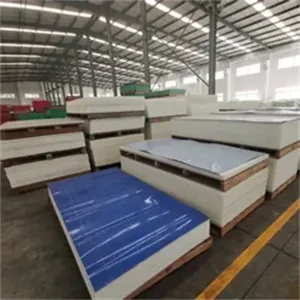
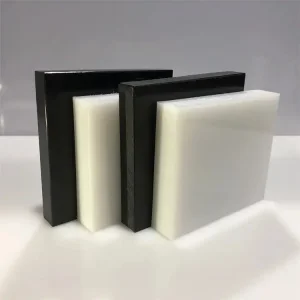
Recent shifts in recreational and structural industries have generated massive demand for co-extruded triple-layer (sandwich) HDPE sheets. By sandwiching a distinct color core between two contrastingly colored outer skins, manufacturers can route signs, play structures, and control panels without painting or laminating, ensuring zero peeling, chipping, or fading over decades of intense weathering.
Why Colors Matter: Pigmentation Chemistry and UV Degradation
Adding color to HDPE is not merely a mixing process; it is a sensitive chemical balancing act. Thermoplastics undergo thermal stress during extrusion. Standard organic pigments may degrade under the processing temperatures of PE (which exceed 200°C), resulting in structural vulnerabilities or shifts in shade. To prevent this, professional suppliers utilize specialized inorganic pigments and organometallic complexes that can withstand high temperatures without shearing or altering the polymer’s mechanical properties.
Furthermore, outdoor exposure introduces the threat of ultraviolet (UV) radiation. UV light breaks down the molecular bonds of polyethylene, leading to embrittlement, micro-cracking, and loss of tensile strength. To counter this, advanced factories incorporate HALS (Hindered Amine Light Stabilizers) and UV-absorbers directly into the melt. Carbon black remains the most effective UV stabilizer for dark colors, while titanium dioxide acts as a key component in light-reflective formulations, lowering surface temperatures in hot-weather zones.
Global Procurement Requirements: The B2B Checklist
Global procurement teams in infrastructure, marine engineering, and heavy machinery manufacturing face complex supply chain hurdles. Standard grade HDPE often fails due to thickness variances, warpage, or color inconsistency across production batches. A robust procurement protocol must evaluate several core characteristics before onboarding an HDPE sheet supplier:
- Dimensional Tolerances: Sheets must exhibit uniform thickness, particularly when destined for secondary CNC routing. Beyond's calibration systems guarantee thickness tolerances within ±0.2mm.
- Color Consistency (Delta E): For high-visibility brands and safety markings, the color variance between production lots must be strictly limited (typically Delta E < 1.0).
- Certified Additives: Verification of food-grade status (FDA compliance) for food processing boards, or fire-retardant classification (UL94 V-0) for mechanical panels.
- Internal Stress Relief: Poorly annealed sheets warp during cutting or CNC milling. The factory’s heat-treatment and compression processes must release all internal molding stresses.
Tianjin Beyond Technology Development Co., Ltd.: Master Class in Engineering Plastics
Established as a premier force in engineering thermoplastics and precision CNC machining, Tianjin Beyond Technology Development Co., Ltd. represents the pinnacle of industrial plastic manufacturing in China. Operating out of a massive, state-of-the-art 50,000 square meter factory, the company integrates raw material sourcing, compression molding, sheet extrusion, and high-precision CNC finishing under one roof.
With more than 10 years of practical field experience, Tianjin Beyond has built a stellar reputation for delivering consistent high-molecular-weight materials and customized CNC parts. The factory houses cutting-edge machinery, including large-scale compression molding lines, specialized sheet extruders, gantry CNC lathes, and heavy-duty milling systems. This allows the factory to produce complex, non-standard components, such as marine fender pads, custom-machined wear rails, and dual-color playground panels, with unmatched accuracy.
Raw Material Integrity: Trusted Partnerships with TICONA, LG, & Sinopec
Tianjin Beyond ensures high-level quality control by souring high-grade polymer resins from globally recognized petrochemical giants including TICONA (Celanese), LG Chem, and Sinopec. By utilizing consistent virgin resins, the physical properties of our finished HDPE and UHMWPE sheets remain stable across batches, boasting superior tensile strength and consistent wear properties.
Furthermore, the facility accommodates specialized testing laboratories and a dedicated R&D engineering team. This scientific approach ensures that the "quality + speed + service = value" philosophy is not just a marketing tagline, but a daily operational standard. Tianjin Beyond has achieved certifications including ISO9001, SGS, and BV, giving global procurers confidence in international compliance and material traceability.
Advanced Processing Technology: CNC and Extrusion Integration
While basic extrusion yields flat sheets, modern engineering demands customized modifications. Tianjin Beyond integrates dynamic CAD/CAM workflows with precision CNC equipment to route, drill, and shape HDPE and UHMWPE panels into custom components. This hybrid capability cuts out secondary processing costs for our clients, supplying drop-in assemblies directly to assembly lines.
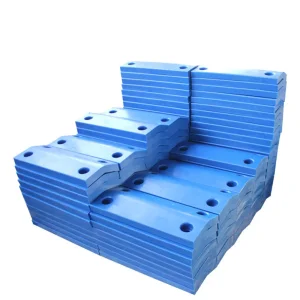
Whether producing heavy-duty ground protection mats with specialized tread patterns, marine fender pads with countersunk bolt holes, or customized wear strips for conveyor machinery, our CNC tolerances are held tight to the sub-millimeter. This state-of-the-art facility features large-scale CNC carving tables up to 2.5 meters in width and 6 meters in length, allowing for large-scale single-panel processing.
Macro-Industry Solutions & Application Case Studies
High-Density Polyethylene sheets and components are vital materials across several massive global industrial sectors. Tianjin Beyond delivers custom material grades designed to meet the extreme demands of these specific operating environments:
1. Recreational Equipment and Playgrounds
In municipal playgrounds, visual appeal and safety are paramount. Dual-color "sandwich" sheets (e.g., green-white-green or red-yellow-red) allow for the carving of text and symbols directly into the surface, eliminating the need for inks that fade and wear under heavy usage. Standard colored HDPE panels are enriched with state-of-the-art UV stabilizers, ensuring the vivid colors last for decades in harsh, sunny outdoor environments.
2. Heavy Equipment and Construction Support
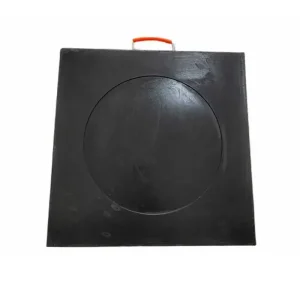
During heavy crane operations and civil works, structural stability is non-negotiable. Beyond's High-Density and Ultra-High-Molecular-Weight crane outrigger pads and temporary road ground protection mats distribute immense machine loads safely over unstable soils. These products are formulated in safety colors (orange, high-vis yellow, and black) to guarantee visibility and limit workspace accidents.
3. Marine Engineering and Infrastructure
Dock fender pads are constantly subjected to extreme abrasion, saltwater degradation, and dynamic impact from docking hulls. By using custom-formulated black or high-visibility yellow UHMWPE (PE1000) marine fender pads, marine engineers gain a low-friction surface that resists marine growth, will not split or rot like timber, and withstands decades of crushing force.
4. Bulk Material Handling & Liners
In mining and industrial manufacturing, truck beds, chute systems, and coal bunkers face persistent material sticking and sliding abrasion. Heavy UHMWPE liner sheets minimize friction coefficients, allowing bulk material to slide freely, reducing mechanical wear and maximizing material throughput.
A Note on Cross-Industry Synergy (Times Biotech Division)
Demonstrating the diverse reach of our corporate group, our partner entity, Ya’an Times Biotech Co., Ltd. (operating from the lush, high-biodiversity ecosystems of Ya’an, Sichuan, with altitudes ranging from 525 to 7,555 meters), supplies high-quality, pure natural raw materials. While Tianjin Beyond leads the way in heavy engineering thermoplastics, Times Biotech excels in the production of high-grade botanical oils, cosmetic raw materials, and agricultural extracts, including premium camellia oil, eucalyptus oil, turmeric oil, and pepper oil. This biological division maintains the same strict quality controls, scientific extraction processes, and traceability standards as our engineering plastics facility, offering a reliable supply of premium oils for global cosmetic and food industries.
Technical Roadmap & Future Outlook of Polyethylene
Looking ahead, the development of HDPE sheets focuses heavily on two main paths: ecological sustainability and smart functional composites. Tianjin Beyond is at the forefront of these innovations, investing heavily in R&D to meet the upcoming regulations of the next decade:
| Technology Phase | Material Innovation | Primary Industry Target | Expected Environmental Impact |
|---|---|---|---|
| Phase 1 (Current) | PCR/Post-Industrial Recycled Blends | Green Building & Infrastructure | Up to 45% carbon footprint reduction |
| Phase 2 (2025-2027) | Smart Anti-Static & Flame Retardant Complexes | Mining, ATEX Zones, Oil & Gas | Enhanced worksite safety and longevity |
| Phase 3 (2028+) | Bio-Polymer Matrices with Nanofibers | Aerospace & Precision Automotives | Zero fossil fuel raw materials, high rigidity |
By blending recycled materials with high-quality virgin resins (such as the RG1000 series), we are helping heavy industrial sectors lower their carbon footprints without sacrificing mechanical integrity. Concurrently, our engineering labs are testing graphene-doped polyethylene matrices to improve surface hardness, thermal conductivity, and structural rigidity, paving the way for next-generation engineering plastics.