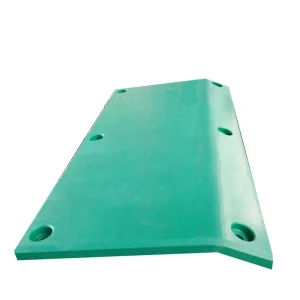
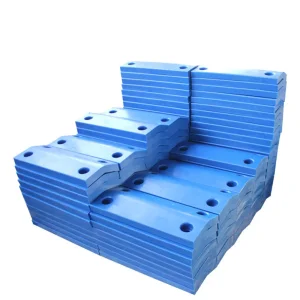
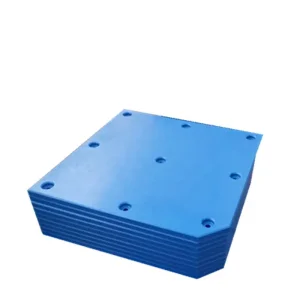
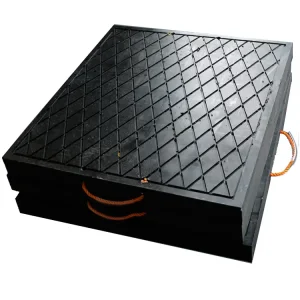
Engineered for high energy absorption and low friction coefficients. Directly designed for Singapore Port authorities, shipyards, and marine engineering contact structures.
As the world’s busiest transshipment hub and a critical focal point of global shipping lanes, Singapore's maritime infrastructure operates under relentless demand. The port ecosystem, spanning PSA Singapore’s ultra-modern Tuas Mega Port, Tanjong Pagar, Brani, Keppel, and Pasir Panjang terminals, alongside Jurong Port's bulk cargo handling berths, demands unmatched operational reliability. Every single component in a wharf's berthing system is subjected to high-frequency impacts, cyclic shear forces, intense tropical UV radiation, and high-salinity seawater exposure.
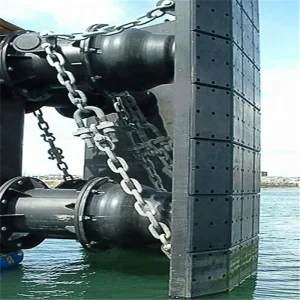
Within this unforgiving environment, Marine Fender Panels act as the primary defense system, bridging the energy differential between heavy marine vessels and rigid concrete wharf decks. By utilising advanced Ultra-High Molecular Weight Polyethylene (UHMW-PE / PE1000) as the facing material, port designers can systematically minimize hull friction, absorb impact energy, and prevent critical structural failure. Standard materials like timber or traditional rubbers fail prematurely under Singapore’s high-velocity mooring demands; thus, high-integrity polymer engineering has transitionally become the baseline standard for maritime safety in the region.
Designed to conform directly with PSA engineering specifications and MPA (Maritime and Port Authority of Singapore) guidelines, ensuring seamless integration into public and private infrastructure.
Formulated with premium carbon black and specific UV stabilizers to resist the degradative impact of year-round equatorial sunlight and extreme surface temperatures.
A static/dynamic friction coefficient of less than 0.15 ensures that berthing vessels glide along the fender panels without damaging protective hull coatings.
From a polymer science perspective, the performance of a marine fender pad depends entirely on the molecular weight of the polyethylene chains and the compression molding technique. At Tianjin Beyond Technology Development Co., Ltd., we utilize raw resins sourced from industry leaders such as TICONA, LG, and Sinopec. Our UHMWPE sheets feature a molecular weight exceeding 9.2 million grams/mole (g/mol), placing them firmly within the PE1000 classification.
This high molecular density gives the material exceptional physical properties. It achieves an abrasion resistance index that is up to four times greater than standard HDPE and significantly outperforms steel in sliding wear tests under wet environments. Unlike traditional wood or rubber, UHMWPE possesses zero water absorption (ASTM D570 < 0.01%), meaning it will not swell, rot, or harbor marine organisms, ensuring constant structural weight and performance parameters over decades of submergence.
| Physical Property | Testing Standard | UHMW-PE (PE1000 Grade) | Nylon (PA6 Grade) | Traditional Timber (Teak/Oak) |
|---|---|---|---|---|
| Molecular Weight (g/mol) | Gel Permeation | 9.2 - 9.6 Million | N/A (Crystalline) | N/A (Natural Fiber) |
| Coefficient of Friction (Dynamic) | ASTM D1894 | 0.10 - 0.15 (Dry/Wet) | 0.35 - 0.42 | 0.45 - 0.60 |
| Water Absorption Rate (%) | ASTM D570 | < 0.01% (Immersion) | 1.5% - 8.5% | 15% - 40% (Saturated) |
| Charpy Impact Strength (kJ/m²) | ISO 179 (Double 15° V-notch) | No Break (Exceeds 100) | 5 - 12 | Highly Brittle |
| Operating Temperature Range (°C) | ASTM D3418 | -150°C to +80°C | -30°C to +110°C | Environmental Dependent |
Combining raw material excellence, advanced CNC precision machining, and a 50,000 m² state-of-the-art production facility.
Our integrated manufacturing base operates advanced compression molding machines, high-throughput extrusion lines, and large-scale gantry CNC milling and engraving centers. This setup enables us to supply bulk shipments directly from China to Singapore, while providing full customization. This includes custom drilling, countersinking, edge chamfering, and composite backing plates according to your engineering drawings.
By bypassing intermediaries, Singaporean procurement agencies and port operators can access high-quality fender components that match or exceed Western performance benchmarks, at a significantly lower total cost of ownership (TCO).
Tailored engineering designs built to withstand the demanding conditions of local maritime projects.
Designed for mega-container carriers (ULCVs) exceeding 20,000 TEU capacity. These fender pads withstand high normal impact forces and shear loads from parallel dock alignment maneuvers, securing long structural lifetimes.
Anti-static and flame-retardant UHMWPE marine pads developed for oil, gas, and chemical terminals. These sheets prevent static charge buildup during tanker berthing, mitigating sparks in volatile atmospheres.
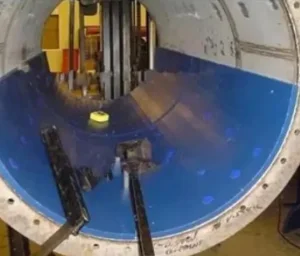
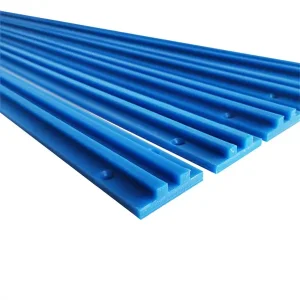
High-toughness guide blocks, wear strips, and sliding pads used inside drydocks, slipways, and floating vessel repair facilities. Engineered to withstand high abrasion and repeated exposure to dry/wet cycles.
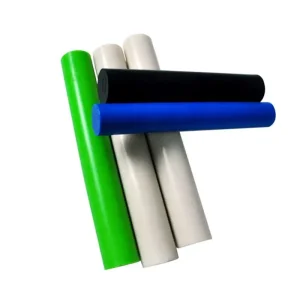
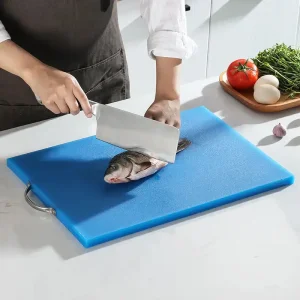
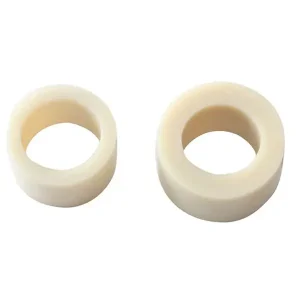
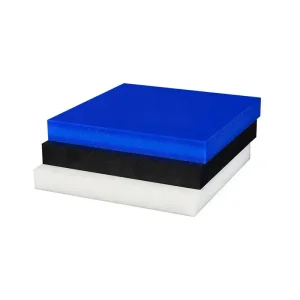
Our capabilities extend beyond marine fender panels. We manufacture and custom-machine a wide range of wear-resistant and structural engineering plastics.
In modern port construction, procurement departments operate under strict quality frameworks (E-E-A-T). Beyond simply comparing unit prices, engineers evaluate the long-term durability of the polymer, the factory's compliance history, and the testing protocols used. Marine design authorities, such as PIANC (World Association for Waterborne Transport Infrastructure), recommend using verified UHMW-PE materials to guarantee energy-absorption systems remain functional over their projected 20-to-30-year lifespans.
Tianjin Beyond ensures full compliance by implementing comprehensive QA/QC processes. Each production batch undergoes rigorous internal lab tests, including density testing, Shore D hardness checks, molecular weight calculations, and tensile strength assessments. Furthermore, we collaborate with external certification agencies like SGS, BV, and Intertek. This allows us to provide international port contractors with verified raw material certificates, impact reports, and compliance documentation for ISO 9001:2015 standards.
From raw material verification to pre-shipment tests, ensuring zero-defect polymer output.
Advanced multi-axis CNC routing systems to deliver exact tolerances matching your engineering drawings.
Fast ocean shipping links from Tianjin Port to Singapore, keeping lead times short and projects on schedule.
Offering recycled and blended PE options to support green-port initiatives and carbon reduction goals.
With global maritime logistics transitioning toward low-carbon operations, ports in Singapore and internationally are increasingly prioritizing sustainable materials. Utilizing recycled UHMW-PE blends provides an eco-friendly path forward, helping ports reduce carbon emissions while maintaining high wear resistance. Through our ongoing research and development in polymer blending, Tianjin Beyond delivers high-durability solutions that meet both high engineering demands and modern environmental standards.
Get answers to common technical, installation, and procurement questions about UHMWPE marine fender panels.
UHMWPE offers a significantly lower coefficient of friction (typically 0.1 to 0.15) compared to rubber or timber, which reduces hull drag and wear during mooring. Additionally, its high impact strength prevents splitting, and its zero water absorption rate prevents rotting or marine growth, resulting in a much longer service life and reduced maintenance.
For tropical regions like Singapore, we compound our UHMWPE with selected carbon black additives and specialized UV stabilizers. This formulation protects the polymer chains from UV photo-oxidation, preserving physical properties like impact resistance and tensile strength even under long-term exposure to sunlight.
Yes. Our CNC machining facilities can handle large-format cutting, edge chamfering (such as 45-degree bevels to prevent hull snagging), and drilling precise counterbore holes. This allows the panels to be bolted flush onto steel or rubber backing structures.
We provide a Certificate of Analysis (COA) detailing density, molecular weight, tensile strength, and impact values for every shipment. Additionally, we can supply test reports from third-party inspection services like SGS or BV upon request.
Production times vary depending on the order volume and customization requirements, generally taking 10 to 20 days. Ocean transit from Tianjin Port to Singapore Port typically ranges from 10 to 14 days, offering a dependable supply timeline for local projects.
We specialize in manufacturing the wear-resistant UHMWPE facing plate and backing elements. We work closely with marine engineering contractors to supply preppped polymer panels that can be mechanically fastened to steel shields or rubber fender cones.
Key specifications include molecular weight (PE500 or PE1000), dimensions (length, width, thickness), bolt hole layout (with drawing files), color (commonly black for UV resistance), and any special requirements, such as anti-static or flame-retardant properties.
UHMWPE has a coefficient of linear thermal expansion of approximately 1.5-2.0 x 10^-4 K^-1. During installation, it is important to include thermal expansion gaps between adjacent panels and use slotted bolt holes to prevent warping as temperatures fluctuate.
Get in touch with our technical sales team today. We provide comprehensive design assistance, customized material options, and competitive factory-direct pricing for the Singapore and Southeast Asian markets.
Send Inquiry Now Beyond