 Beyond
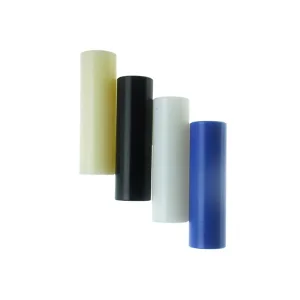
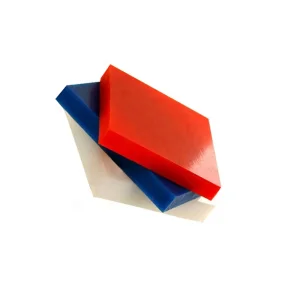
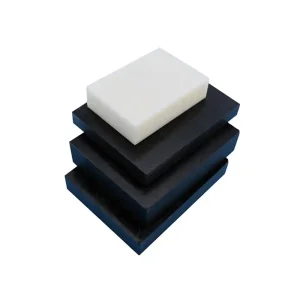
White Paper: Engineering Potential of UHMWPE in Heavy Industry
An in-depth analysis of polymer architecture, wear characteristics, and system efficiency optimization.
1. Understanding UHMWPE: The Chemical Paradigm & Mechanical Advantages
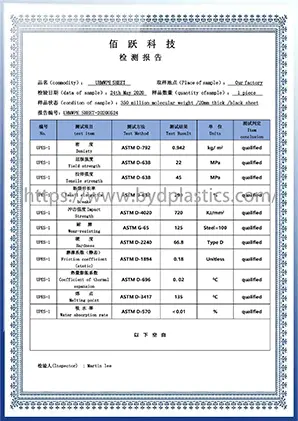
Ultra-High Molecular Weight Polyethylene (UHMWPE, often designated as PE1000 or HMPE) represents the pinnacle of thermodynamic and structural engineering in structural thermoplastics. With a molecular weight commonly ranging from 3.5 to over 9 million g/mol (compared to standard HDPE which spans 0.05 to 0.5 million g/mol), this linear homopolymer exhibits an exceptionally dense chain entanglement profile. This massive molecular length eliminates weak crystalline boundaries, imparting a near-zero wear coefficient under extreme abrasive loads.
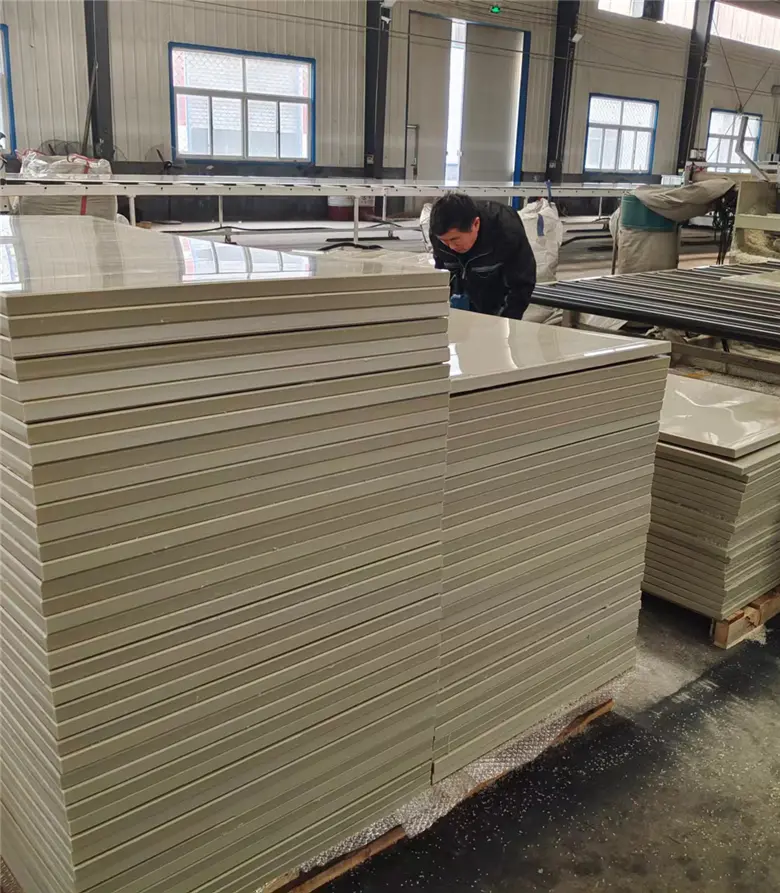
For industrial procurement directors and design engineers, sourcing from a dedicated Wholesale Ultra-High Molecular Weight Polyethylene Manufacturer & Supplier like Tianjin Beyond Technology Development Co., Ltd. ensures that raw materials retain their core molecular configurations. When compared to metals, UHMWPE offers an unmatched reduction in structural mass (density of ~0.93-0.97 g/cm³ compared to steel's 7.8 g/cm³), self-lubrication, and phenomenal impact energy damping. It operates continuously within thermal ranges from -260°C to +80°C, making it indispensable for cryogenic engineering and extreme field conditions.
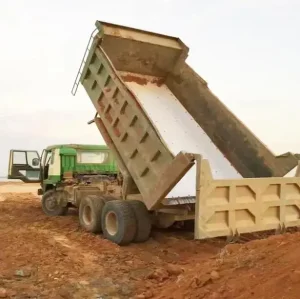
Information Gain Focus: The friction dynamics of UHMWPE are comparable to those of PTFE (Teflon), but it boasts up to ten times the abrasion resistance of carbon steel. This makes it the absolute material of choice for continuous sliding interfaces, heavy machinery, bulk powder handling, and marine infrastructure.
2. Global Sourcing Demands & Crucial Industrial Trends (2025–2030)
The transition toward decarbonized industrial architectures has fundamentally altered global engineering requirements. Enterprises are actively replacing heavy, grease-lubricated steel rollers, bushings, and wear strips with dry-running, low-wear plastics. In bulk cargo shipping, mining chute systems, and railway transport, the elimination of internal grease points directly supports corporate ESG targets.
Additionally, modern material safety regulations require the integration of functional additives. The contemporary procurement landscape now focuses on:
- Antistatic & Conductive Formulations: Crucial for grain silos, coal bunkering, and dust-explosive cleanrooms where static buildup must be continuously discharged.
- Flame-Retardant Grades: Self-extinguishing material blends satisfying UL94 V-0 requirements for civil safety, rolling stock, and underground mining operations.
- UV-Stabilized Compounds: Ensuring outer marine installations (such as dock fenders) do not undergo photochemical degradation under direct solar radiation.
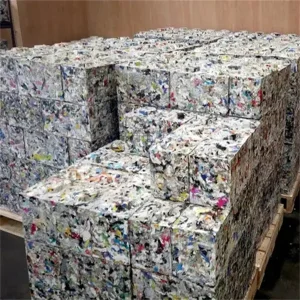
- Recycled & Hybrid Blends: Solutions like our Recycled Color Eco-friendly Mixed HDPE UHMWPE Plastic Sheets that balance structural performance with circular economy goals.