Choosing the right HDPE sheet plastic can significantly impact your project’s success. HDPE, or high-density polyethylene, is known for its durability and versatility. It is widely used across various industries, from packaging to construction. However, selecting the best option requires careful consideration of specific needs.
When exploring HDPE sheet plastic, factors like thickness, color, and finish matter. Different projects might require different properties. For instance, a smooth surface may be ideal for indoor applications, while textured sheets can provide better grip outdoors. It is essential to reflect on the environment in which the plastic will be used.
Understanding the technical specifications available is also critical. Each sheet can vary in strength and resistance to chemicals. While this offers a range of choices, it can create confusion. Take time to evaluate your requirements and the potential limitations of each product. Selecting the right HDPE sheet plastic can ultimately enhance the longevity and functionality of your project.
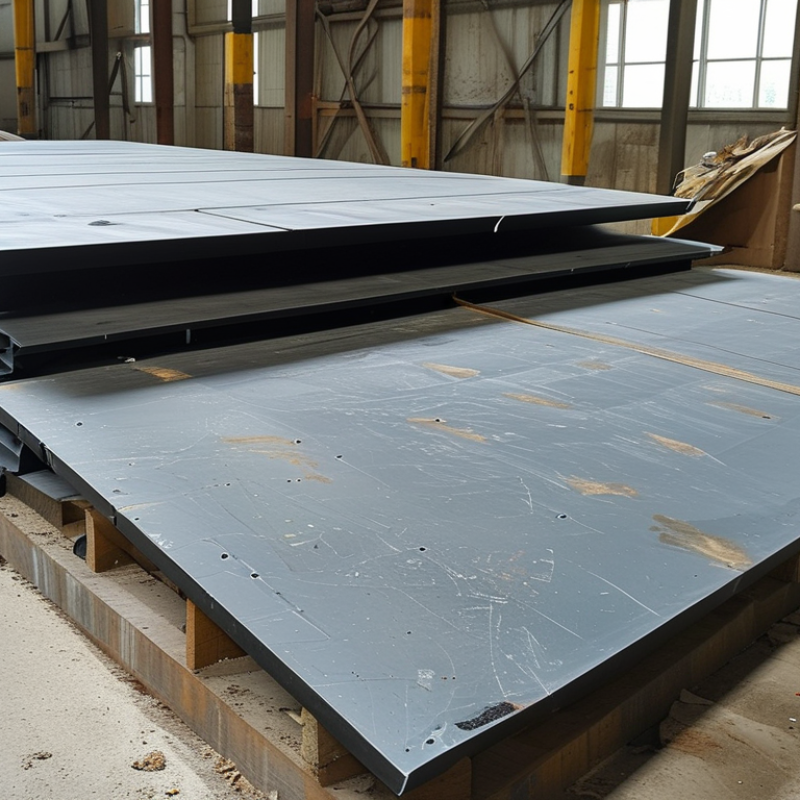
Understanding HDPE Sheets: Properties and Benefits
HDPE sheets, or high-density polyethylene sheets, offer a range of properties that make them highly versatile. They are known for their excellent chemical resistance, durability, and low moisture absorption. Studies indicate that HDPE has a tensile strength of around 4,000 to 6,000 psi, making it suitable for various industrial and commercial applications. Its impact resistance is also noteworthy, with some grades enduring impacts more than 10 times stronger than those that regular plastics can withstand.
One of the standout benefits of HDPE is its UV resistance. This means that it can maintain its structural integrity even when exposed to sunlight. A report from the Plastic Industry Association highlights that about 30% of HDPE sheet applications thrive outdoors. Another important factor is its recyclability. HDPE is one of the most commonly recycled plastics, with more than 1 million tons recycled in the U.S. in recent years. This makes HDPE a more sustainable option when compared to other materials.
However, it's essential to consider the limitations as well. The processing of HDPE requires specific machinery, not all of which is universally accessible. Additionally, some types of HDPE sheets can be more prone to warping if not stored properly. While the properties of HDPE are impressive, assessing your specific needs and the environment is crucial for making the right choice.
How to Choose the Right HDPE Sheet Plastic for Your Needs?
This chart represents the evaluation of different properties of HDPE sheets. Each property is rated on a scale from 1 to 10, reflecting its importance in selecting the right HDPE sheet for various applications.
Identifying Your Project Requirements for HDPE Sheets
When selecting HDPE sheets for your project, understanding your specific needs is crucial.
HDPE, or high-density polyethylene, comes in various thicknesses and colors. Each thickness offers different durability and flexibility.
Consider the environment where the sheets will be used. Outdoor applications may demand UV-resistant options, while indoor uses might focus on aesthetic choices.
Evaluate the dimensions required for your project. Are you covering a large area or using small panels?
Accurate measurements ensure minimal waste and optimal use. Remember that cutting HDPE may require special tools, which adds to project costs.
Tips for selection: Look for sheets that meet your project’s safety requirements, especially if they will come in contact with food or medical items.
Research suppliers and consult product specifications. Quality can vary between manufacturers, so credibility matters.
Be prepared for potential supply chain delays, as availability can impact project timelines.
Evaluating Different Grades and Thicknesses of HDPE Plastic
When choosing HDPE sheet plastic, understanding the different grades and thicknesses is crucial. HDPE comes in several grades, each tailored for specific applications. Some grades are more rigid, making them ideal for structural support. Others are flexible, suitable for bending and shaping. Knowing the application helps you pick the right one.
Thickness is another important factor. HDPE sheets range from thin to thick options. Thicker sheets provide enhanced durability and are great for heavy-duty use. However, they can be harder to handle and install. Conversely, thinner sheets are easier to work with but may not offer the same strength. Consider the trade-off between convenience and durability when making your choice.
It's also worth noting that not all projects require top-of-the-line materials. For some applications, lower-grade HDPE may suffice. However, be cautious with these decisions, as they may affect the longevity of your projects. Each choice shapes the outcome, so reflect on your specific needs carefully.
Comparing Cost and Availability of HDPE Sheet Options
When selecting HDPE sheet plastic, cost and availability play key roles in the decision-making process. Industry reports indicate that the average price for HDPE sheets ranges from $2.00 to $4.00 per square foot. Bulk purchases typically reduce costs, making it essential to assess your project’s scope before buying. Availability also varies depending on region and supplier. Some areas may face shortages, leading to potential delays in projects.
Before finalizing your choice, explore local manufacturers or distributors. They often provide competitive pricing and can cater to your immediate needs. In contrast, online suppliers might offer broader options at the expense of shipping costs and times. Consider potential lead times as well. Some options may have a standard lead time of 2-4 weeks, which can impact project timelines if not planned for adequately.
A useful approach is to compare multiple suppliers. Check reviews and consider their delivery reliability. Balancing cost against the urgency of your project can uncover the best option. Ensure that you account for specific requirements like thickness or color, which can influence availability and pricing. Remember, making informed choices can significantly impact your project's success, so weigh these factors carefully.
Selecting the Right Supplier and Ensuring Quality Standards
Selecting the right HDPE sheet plastic begins with choosing a reliable supplier. Look for companies that adhere to industry standards such as ISO 9001. This certification demonstrates that a supplier maintains quality management systems. Additionally, check if they comply with ASTM standards, which ensure the material meets specific performance criteria.
Quality assurance in HDPE sheets is crucial. The American Society for Testing and Materials (ASTM) has outlined several tests for HDPE, including tensile strength, impact resistance, and UV stability. For instance, studies show that HDPE has a tensile strength of over 3,500 psi. It's essential to ask suppliers for test results and certifications. This transparency can indicate their commitment to quality.
Another key factor is customer reviews and industry reputation. A supplier with a high customer satisfaction rate is more likely to deliver quality products. However, not all reviews reveal the full picture. Some may be biased or outdated. Conduct thorough research on feedback to avoid making hasty decisions. Take the time to analyze various sources before finalizing your supplier.
How to Choose the Right HDPE Sheet Plastic for Your Needs? - Selecting the Right Supplier and Ensuring Quality Standards
| Feature |
Description |
Importance |
Quality Indicators |
| Thickness |
Common thicknesses range from 1/8" to 1". |
Determines strength and weight capacity. |
ISO standards compliance. |
| Density |
Indicates material’s rigidity and impact resistance. |
Critical for applications under stress. |
Testing for specific gravity. |
| Color |
Available in various colors, including opaque and translucent. |
Affects aesthetic and UV protection. |
Consistent color throughout the sheet. |
| UV Resistance |
Prevents degradation from sun exposure. |
Essential for outdoor applications. |
Laboratory testing results. |
| Certification |
Certifications like FDA, NSF for safety. |
Ensures compliance for specific uses. |
Verified documentation from supplier. |
FAQS
: The average price for HDPE sheets is between $2.00 and $4.00 per square foot.
Buying in bulk usually reduces costs. Assess your project's scope before making a bulk purchase.
Availability varies by region and supplier. Some areas may face shortages and delays.
Local suppliers often have competitive pricing and cater to immediate needs, which can help.
Look for ISO 9001 certification and compliance with ASTM standards for quality assurance.
High customer satisfaction rates indicate quality. However, reviews can be biased or outdated.
Key tests include tensile strength, impact resistance, and UV stability as per ASTM standards.
Standard lead times of 2-4 weeks can impact timelines if not planned for adequately.
Yes, comparing suppliers can help find the best balance between cost and urgency.
Conduct thorough research across various sources to avoid making hasty decisions.
Conclusion
When selecting the right HDPE sheet plastic for your project, it is essential to understand its properties and benefits. HDPE sheets are known for their durability, chemical resistance, and versatility, making them suitable for a range of applications. Start by identifying your specific project requirements, including dimensions and environmental factors, which will help guide your choices.
Next, evaluate the different grades and thicknesses of HDPE plastic available to ensure that the material meets the demands of your project. Cost and availability are also crucial considerations, as they can vary significantly among suppliers. Finally, selecting a reliable supplier who adheres to quality standards will ensure you receive the appropriate HDPE sheet plastic that meets your needs effectively.

 Beyond